Berlin Put More Than 2,200 Officers on Pride Weekend. The Van Came in From the Edge.
A woman was killed and at least 29 people hurt at Berlin’s Christopher Street Day. Police shot the suspect dead on Sunday. What Pride security can do, and what it can’t.

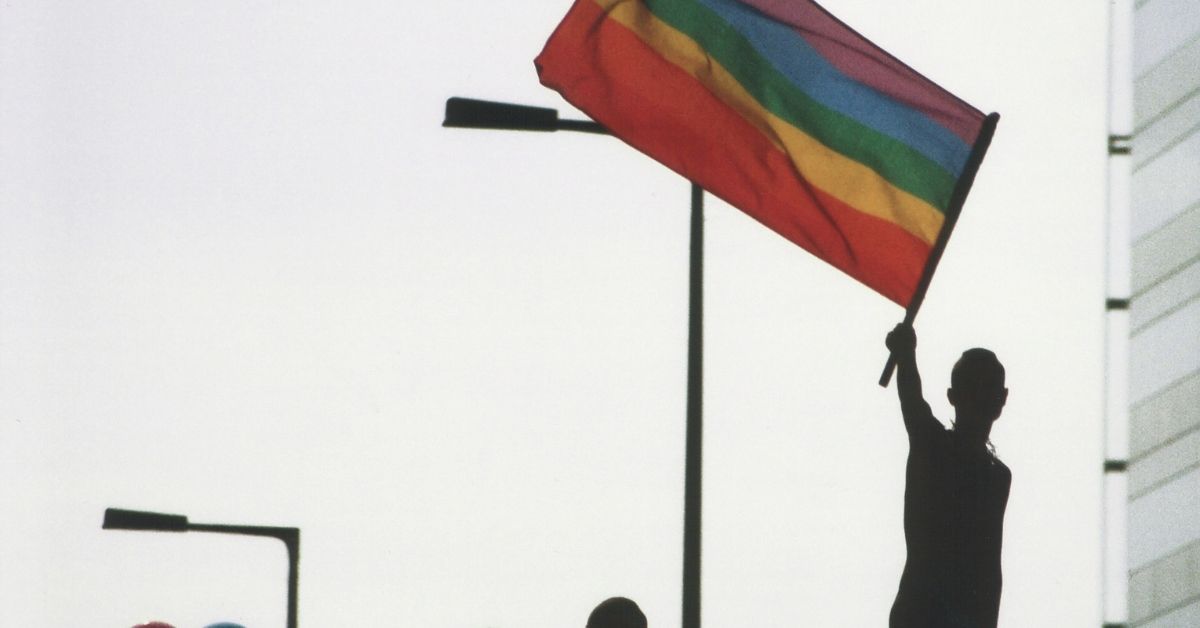
Berlin had more than 2,200 officers working the city from Saturday morning onward, covering the Christopher Street Day parade and the other LGBTQ+ events across town. The event itself had been prepared jointly with the organiser. Barriers had been installed for the specific purpose of keeping vehicles off the event grounds.
None of that was where the attack happened.
At around 10 p.m., after hundreds of thousands of people had spent the day marching behind some eighty floats without incident, a white van came down a footpath through the Tiergarten, on the edge of the celebrations rather than inside the secured area. It struck people and hit a tree. A woman was killed. At least 29 others were hurt; the Berlin Fire Service put the number with life-threatening or serious injuries at at least 11. Authorities say the driver then got out and continued on foot, and the interior minister said he is suspected of having used a machete.
The closing party was a few hundred yards away, near the Brandenburg Gate. From the stage, the CSD board told the crowd the event was ending early “due to a difficult situation,” and organisers asked everyone to walk out calmly toward the main station.
On Sunday, after a search of nearly 24 hours that covered stations, airports and the German borders, police located the suspect at an allotment garden complex in Spandau. They say he ran at officers with a bladed weapon and they opened fire. He died at the scene despite attempts to resuscitate him.
What is established, and what isn’t
Here is where care matters, because this story is going to get flattened in both directions this week.
German authorities have named the suspect as Abdul Ballout, 21, born in Germany to a mother naturalised three years before his birth, and described him as known to police and part of Berlin’s Islamist scene. Interior Minister Alexander Dobrindt said on Sunday that “everything we see here indicates that this was an Islamist terror attack.” The justice minister said the federal public prosecutor’s office would take over the case.
Prosecutors have laid out a record. He was found guilty in juvenile court in 2022 over an assault and a robbery committed as a teenager. A court found it proven that he posted Islamic State propaganda to Instagram in 2024. In 2025 he travelled to Lebanon, prosecutors say, intending to reach Syria and join ISIS; he was arrested there and served three months. In May he was sentenced in Germany to 22 months for what prosecutors called “preparing a serious act of subversive violence” — accounts differ on whether that sentence was formally suspended or whether the court was still holding off on the decision — and he was released under probation supervision rather than held, with the court weighing time already served in Lebanon and in pretrial detention, and the fact that he admitted the offences and distanced himself from ISIS. Officers searched his home on July 3 over a suspected weapons violation, found a toy gun, and dropped the case.
What has not been established is the specific motive for driving into that particular crowd. Time noted plainly that the motives have yet to be determined, and investigators had not concluded whether he acted alone. The prior convictions are a matter of record. What he intended on Saturday night is not, and now never will be tested in a courtroom.
What can be said, because Germany’s own domestic intelligence service says it in writing, is that hostility toward LGBTQ+ people is treated as a built-in feature of Islamist extremist ideology. Its most recent annual report describes extremists framing acceptance of different sexualities and gender identities as a foreign import meant to wreck the Islamic community, and working that theme as a standing line of attack. That is context. It is not a finding about this man, and it shouldn’t be reported as one.
The uncomfortable part
None of this reads as an under-secured event. A police spokesman, in the immediate aftermath, said they had prepared meticulously with the organiser and deployed an enormous number of personnel, and described the access barriers built to stop vehicles reaching the grounds.
And a rented van came down a side path in a public park, at the edge of all of it.
That is the thing nobody enjoys saying out loud about Pride. A parade is a crowd of people in the open air, on purpose, in public, announced in advance — that is the entire point of it, and it is also why the protected zone always has an outside. You can secure a perimeter. You cannot secure everyone who came to stand near it.
It is why heightened security planning has become a standing condition of Pride organising rather than a seasonal one — threats, counter-protests, occasional violence — from Berlin to the shooting near the Stonewall Inn after New York Pride.
Germany has been living inside a version of this since late 2024: Magdeburg’s Christmas market that December, Munich two months later, Mannheim that March. The attacks have different alleged motives, and together they have kept safety, immigration and extremism at the centre of German politics — an argument that has fed support for the far-right AfD.
What Berlin did on Sunday
It went to the Brandenburg Gate.
Hundreds of people stood there through the afternoon and left candles, flowers, rainbow flags and Berlin bears. Someone put down a cardboard sign: “the only thing more powerful than hate is love.” There was a minute of silence. One man who had been at the parade and was on his way to an afterparty when he heard told the Associated Press it was a dark day for the community.
Mayor Kai Wegner called Berlin the city of freedom and said its freedom had been attacked in the most horrific way. President Frank-Walter Steinmeier called it an attack on an open society and a way of life. Vice Chancellor Lars Klingbeil put it this way: “Christopher Street Day stands for the right of every person to live freely.” And, he added: “We will defend that.” Chancellor Friedrich Merz was simpler still: “There are more of us, we are stronger, and we will stay together.”
The woman who was killed has not been publicly identified. Christopher Street Day is named for the street outside the Stonewall Inn — which is to say it is named, from the start, for a night when people fought back.
Stay in the Loop
LGBTQ+ travel tips & community updates
More news
 tv
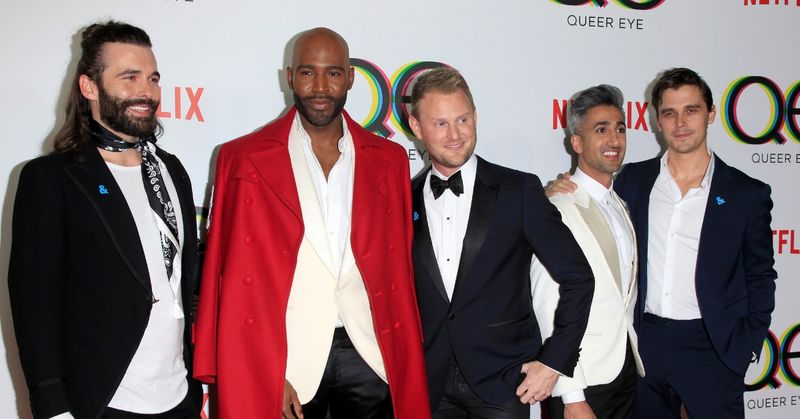
tvKaramo Brown Says an Exec Threatened His Career for Making Someone Cry on Camera
The Queer Eye star says an unnamed executive laid into him in a trailer in front of about 25 people during season one. One season later the show was advertising itself on making people cry.
 culture
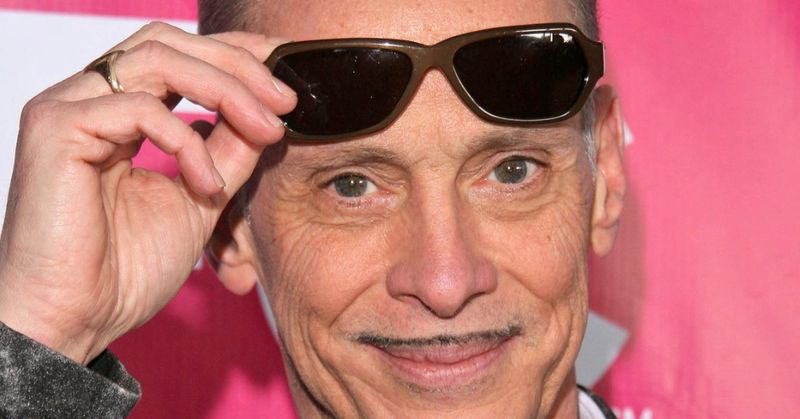
John Waters at 80: “I Never Was a Muscle Mary”
The Pope of Trash turns up on Finding Fire Island on why he never wanted the body or the clones — and what he says can never really be handed down about the AIDS years.
 culture
MLB Players Keep Wearing “Jesus Won” Shirts — After Pride Caps Got Called Political
Three Giants pitchers drew a league warning for writing Bible verses on their Pride caps. Faith-branded merch turns up on MLB fields constantly — and nobody calls that political.
 culture
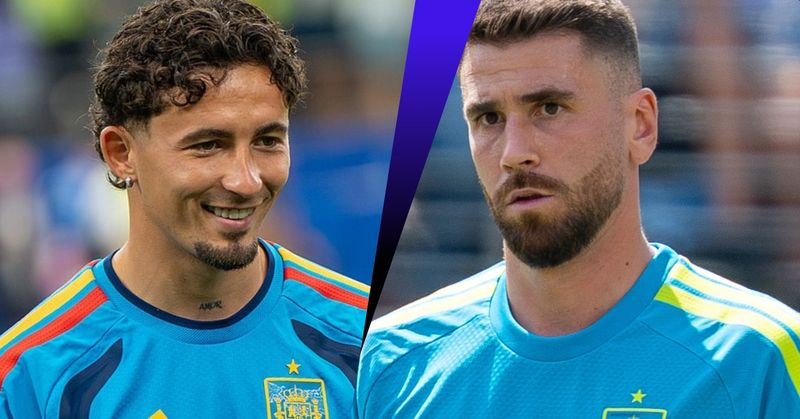
Spain Won the World Cup — Then Two Players Kissed on the Parade Bus
Yéremy Pino asked Unai Simón for a kiss on the World Cup parade bus in Madrid. He got one. The clip has been circling ever since.