John Waters at 80: “I Never Was a Muscle Mary”
The Pope of Trash turns up on Finding Fire Island on why he never wanted the body or the clones — and what he says can never really be handed down about the AIDS years.

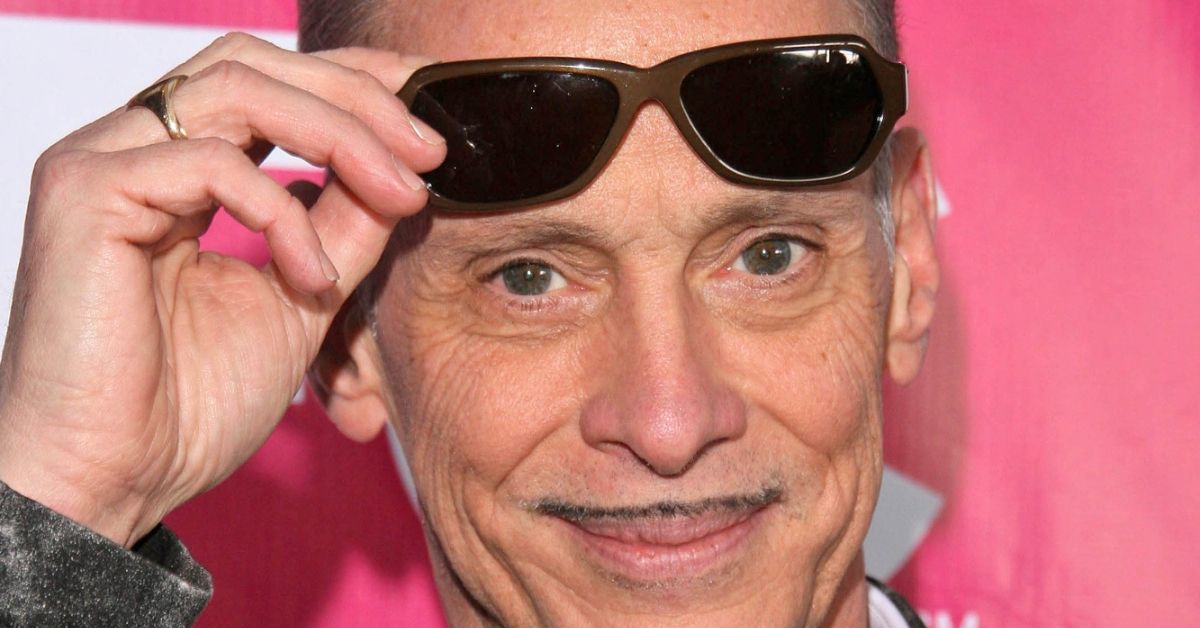
Every gay man has a body he was quietly measured against. John Waters, who turned 80 in April, seems to have decided a very long time ago that he simply wasn’t going to be measured, and it is difficult to argue he got that wrong.
“Even at the height of when I looked the best, I never was a ‘Muscle Mary,’” he says in Thursday’s episode of Finding Fire Island, in a clip HuffPost got early. “It’s a culture that I know about … but to me, the hippie gay thing, the Cockettes and all that, was more radical and to my liking than, say, clones.”
That is not a man being gracious about the gym. That is a man naming a preference, plainly: the Cockettes — the San Francisco psychedelic drag troupe — over the clones.
The episode is called “A Town Without Pity,” and it lands in the second season of a docuseries about a place that has meant very different things to different people for a very long time.
The outsider’s outsider
What makes Waters useful here — and what host and executive producer Jess Rothschild says drew her to him — is that he is an outsider inside the room, not outside it.
“John Waters represents the idea that what society calls ‘too much’ can become a source of creativity, humour and power,” Rothschild said. “I love how he speaks to being an outsider even within the gay community and relishing it. … The traits that make you feel out of place can become the foundation of your identity, your art and your community rather than something to hide.”
That last sentence is the whole pitch of a John Waters career, delivered by someone else. And it explains why he still connects downward through the generations rather than getting politely archived: “The younger people understand me and my films, that’s the thing,” he says. “Because they know my films and everything, it’s a very different world for me in the gay community.”
The part that can’t be handed down
Then he says the part that lingers.
On the HIV/AIDS years of the 1980s and ’90s, Waters is blunt about the limits of storytelling: “That’s the main thing: If you’re older, you remember that, and you can never convey what that was like to young people.”
It’s a strange, honest admission from a man whose entire job is conveying things. It also cuts against a reflex you hear often enough — that if the thing is just explained well enough, it will transfer. Waters is saying it won’t. Not fully. You had to be standing there.
Fire Island, minus the postcard
Waters is a Provincetown figure, not a Fire Island one, and Rothschild had wanted him for a while. What she got in return was his memory of going out to Fire Island in the 1970s with Divine — which is roughly the most Fire Island sentence imaginable and also completely off-brand for how the place usually gets sold.
That mismatch is deliberate. This season digs into the long-running friction between Cherry Grove and The Pines — the two Fire Island sections most associated with gay women and gay men respectively — and Rothschild says she went out of her way to include women, trans people and people of colour.
“Nearly every well-known piece of media about Fire Island was made by a man and is about the white, gay, male experience,” she said. “This just perpetuates the stereotype that Fire Island is relentlessly male, which it is not.”
Season two also features Billy Porter and Julio Torres; the first season, back in 2023, had Joel Kim Booster, Margaret Cho and Bowen Yang. It runs through the Broadway Podcast Network and turns up wherever you already get things — YouTube, Spotify, Apple Podcasts, SiriusXM, Amazon Music.
Eighty years old, still uninterested in looking like everybody else, still getting invited to the beach. There are worse ways to age inside a scene you were never quite in.
Stay in the Loop
LGBTQ+ travel tips & community updates
More news
 tv
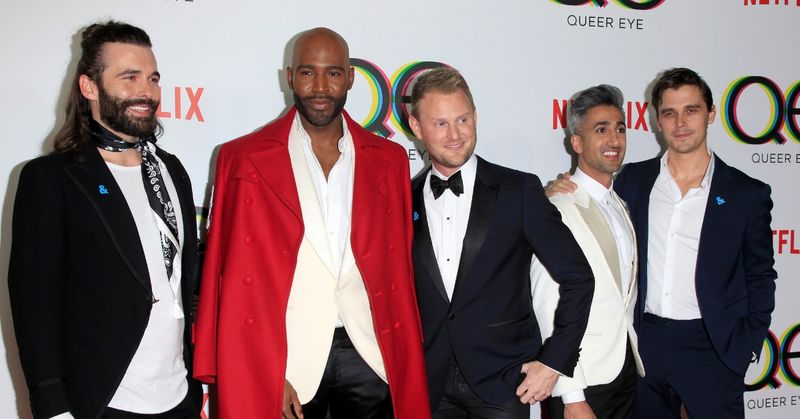
tvKaramo Brown Says an Exec Threatened His Career for Making Someone Cry on Camera
The Queer Eye star says an unnamed executive laid into him in a trailer in front of about 25 people during season one. One season later the show was advertising itself on making people cry.
 news
newsBerlin Put More Than 2,200 Officers on Pride Weekend. The Van Came in From the Edge.
A woman was killed and at least 29 people hurt at Berlin’s Christopher Street Day. Police shot the suspect dead on Sunday. What Pride security can do, and what it can’t.
 culture
MLB Players Keep Wearing “Jesus Won” Shirts — After Pride Caps Got Called Political
Three Giants pitchers drew a league warning for writing Bible verses on their Pride caps. Faith-branded merch turns up on MLB fields constantly — and nobody calls that political.
 culture
Spain Won the World Cup — Then Two Players Kissed on the Parade Bus
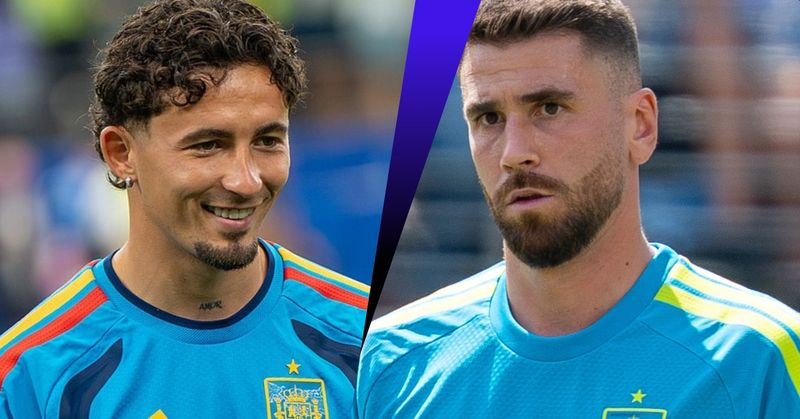
Yéremy Pino asked Unai Simón for a kiss on the World Cup parade bus in Madrid. He got one. The clip has been circling ever since.