One Husband Uses the Word Queer. The Other Won't. They've Been Married for Decades.
A 2023 interview series asked LGBT people over 55 — the generation the word was thrown at — what it means to them now. They didn't agree with each other, and in one case not with their own spouse.

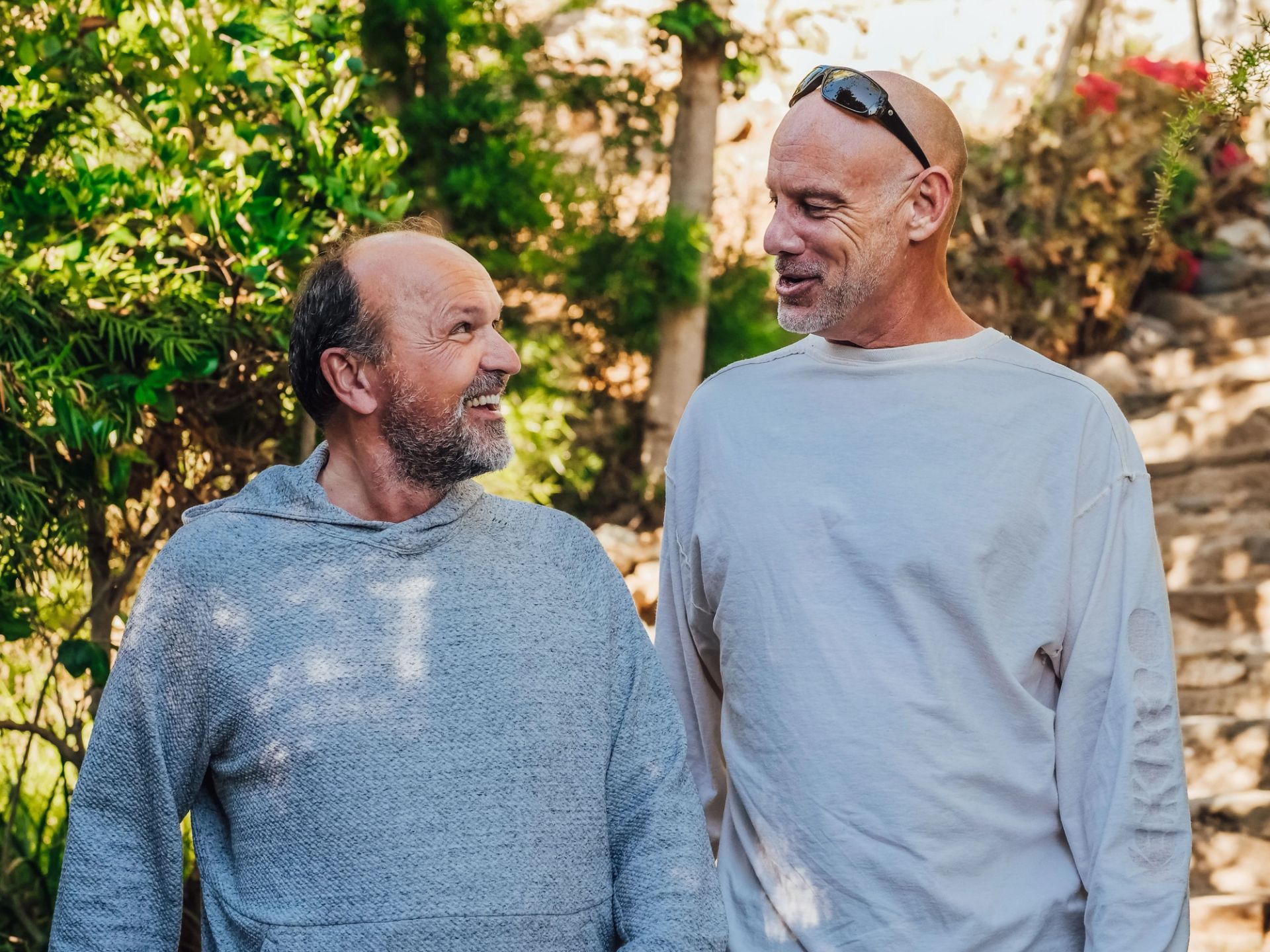
When News Is Out went and asked LGBT people over 55 what the word “queer” means to them, it reached Carl Parker and Jay Allison, who were married to each other and had been for 25 years. They gave opposite answers.
Parker, a retired law firm administrator, was 71. He understands the case for reclaiming a slur and says so plainly — it is not unusual, he noted, for “a malicious, disparaging term” to be taken up by a social justice movement to drain its power, and he adds that this is generally done “by younger people who have not experienced pain from its use.” He won't do it himself. “I can support members of our community who are unwilling to accept that approach because of the abuse they experienced,” he said. “I do not use it.”
Allison, who chaired the communication studies department at the University of North Texas, landed the other way. “I believe that when members of marginalized groups reclaim hurtful language, they assert power and resist oppression,” he said. “I use it.”
Same marriage. Different word.
The people it was used against don't agree with each other
That 2023 series — Out and Aging, produced with support from AARP — is worth reading because of who it asks: the generation the word was actually thrown at.
Dick Peeples, a retired attorney of 75, said it carried “awful connotations” and was a genuinely hurtful slur. His conclusion wasn't a veto: “I have grown to accept queer terminology as being proudly owned by younger generations. However, I choose not to use the word when I speak.” Jane Rogers and Vicki Cooper, a couple in their late 70s, were blunter: “We are not comfortable with the Q word because we both remember the negative intent.”
Steve Atkinson and Ted Kincaid, both 60, signed a joint statement going the other way: “Although we would not have chosen it to be used in a positive way, we are comfortable that it has been reclaimed and is now a label many in our community boldly embrace and proudly use.”
Worth noticing: two of them — Parker and Peeples — describe the word as something younger generations have taken up. They frame it generationally themselves. Both also decline to use it.
What Mark Segal objects to
Mark Segal is a founding member of the Gay Liberation Front and the publisher of Philadelphia Gay News. He recalls hearing the word as a child, overhearing his father talk about a cousin his uncle had put out of the house for being gay, and remembers being “this little boy … trying to figure out what did that word mean?”
His objection now is about what the word claims. “And I don't use the word queer, although I respect those who wish to use it, because it does erase gay men and lesbian women and takes away the visibility we fought for over the last 54 years,” he said in 2023. Then: “Gay to me spoke to me that we could be everything. I think ‘queer' limits us to being different. I don't think that I'm strange, abnormal, weird.”
He is specific about his own term: “my name that I go by, my identity is gay man. And today I can say old gay man, which is how I like to be described.”
The same worry, from someone who likes the word, showed up at an AARP online event called “Our Voices Now: A Queer Dialogue.” D Magrini, who directs external training at the Whitman-Walker Institute, called it a unifier and a shorthand — and then named the cost. “I do worry about that shorthand creating erasure,” Magrini said. “So, I count how many times now I hear the word ‘lesbian' or ‘gay' or ‘bisexual,' and I don't want those words to be lost to us. They are important. They are words folks use to identify and call themselves home.”
Our read: two questions, argued as one
Mike Anglin, an early activist leader who was 80 when he was interviewed, drew the line we keep coming back to. “I have no problem with people using that term to identify themselves,” he said. His objection was to it standing in for everyone — “the queer community,” “queer history,” “queer politics.” He'd rather have a word that was never a weapon: “I much prefer words that were never intended to hurt, such as ‘the Rainbow community.'”
Here's our read. Two different objections are running through all of this, and they get fought as though they were one. Anglin's is about the umbrella — one word standing in for everyone — and Magrini names the same cost from the other side of the question. That is not the objection Peeples, or Rogers and Cooper, are making; theirs is about the hurt the word did, full stop. Worth separating, because an argument about a label doing too much work is a different argument from one about a word that was used to hurt you.
What almost none of the people quoted here argue is that an individual shouldn't call themselves whatever they like. Segal explicitly respects those who use it. Parker supports people who reclaim it. Anglin has no problem with it as self-description.
The institutions had to choose, and they showed their work
Newsrooms don't get to be undecided, which makes their reasoning legible. When NPR's Public Editor examined the question in August 2019, the mailbag was mixed and some of it was furious. One listener from Illinois: “I am a gay man and I did not spend my entire life being called queer as a slur for journalists to accept it as reclaimed. It isn't.”
NPR's editor for standards and practices, Mark Memmott, had threaded it in a 2018 note: “It's clear that LGBTQ is increasingly accepted, but do be aware that ‘queer' is still a word that many find offensive.” The style guide from NLGJA, the association for LGBTQ journalists, read as of August 2019 that the word was “originally a pejorative term for gay, now being reclaimed by some gay, lesbian, bisexual and transgender people as a self-affirming umbrella term” — and that it “is still offensive as an epithet to many.”
The history in that piece is the part worth knowing. The word appears in NPR transcripts as far back as 1972 — in quotes from LGBTQ people repeating insults thrown at them. It returns through the 1980s and '90s in interviews with Queer Nation, the activists who drove the reclamation. And the modern usage, an NPR journalist using it in their own voice, only starts around the end of 2015, pushed along by Code Switch after the 2016 Pulse shooting.
Jason DeRose, who oversaw NPR's LGBTQ reporting, gave the long view: “What you can see is an evolution, and I think you see that in the culture at large.” He offered a comparison — “There was a time when people said ‘homosexual'” — a word he says NPR journalists are now steered away from.
And then there's everyone who isn't consulting a style guide
Isabela Merced, who plays Dina in The Last of Us and is queer herself, told Variety in 2025, in remarks reported by CBR, that she was delighted by the show's representation: “I mean, it's awesome! No one actually thinks I'm queer, which is fine. I don't really care. I'm an actor, so I can play anyone, right? But for it to mean so much to me personally is great and grand.”
That is a person using the word about herself, in an interview about a television show, with no argument attached to it.
We're not neutral and won't pretend to be. Our own house style keeps the word out of headlines and email subject lines and permits it in body copy — which is why it appears throughout this piece, and why our venue page calls the Stud a queer bar. That isn't a principle. It's a compromise, and compromises are most of what this argument produces.
Which is the honest end point here. There is no wording available that all of these people would accept, because they are not disagreeing about etiquette. They are disagreeing about what was won, what it was called, and who gets counted in it.
Stay in the Loop
LGBTQ+ travel tips & community updates
More news
 culture
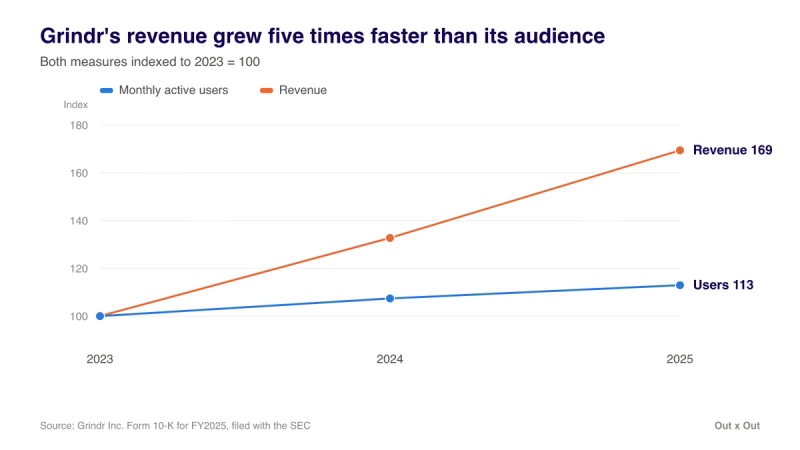
Gay Dating App Statistics 2026: What the Filings Actually Say
Grindr, Sniffies, SCRUFF and Tinder by the numbers. Who is growing, what people really pay, and why the user counts you see quoted aren't comparable.
 news
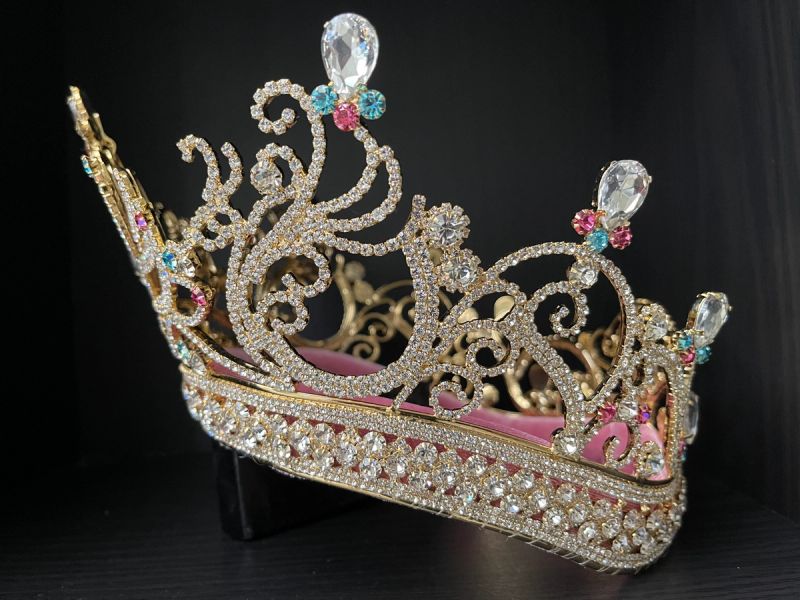
newsMiss North Carolina USA Lost Her Crown as Miss USA Condemned 'Racism, Homophobia, Transphobia'
Miss USA's chief executive named three categories of conduct and never specified what she had done. Two days later, Brittany Boltinhouse said she believes she lost the title over her politics and her faith.
 entertainment
Ryan Murphy's 'The Shards' Is Explicitly Gay, and Critics Are Divided on It
A closeted 17-year-old narrator, a serial killer and 1981 Los Angeles. Here is what is actually in it, and an honest account of a reception that runs from rave to write-off.
 travel
The Best US Cities for Gay Men Over 40
Forget the circuit-party rankings. Here's where gay life over 40 actually works — measured by community you can join, housing you can afford, and bars where you won't be the oldest guy in the room.