Part of the Gay Mexico City Guide — bars, events & things to do.

Mexico City, State of Mexico
Queer art space and community hub in a 1903 Santa María la Ribera mansion.
Housed in a 1903 mansion in Santa María la Ribera that once served as the headquarters of the Frente Homosexual de Acción Revolucionaria — the group that took to Mexico City's streets in 1978 in what's considered the country's first public gay rights march — this multi-use space pulls double duty as gallery, cabaret stage, workshop room, and informal community hub. Founders Salvador Irys, Fernando Osorno, and Salvador Peña built it during the pandemic as a continuation of their earlier Hazme el Milagrito project, often credited as CDMX's first dedicated LGBTQ+ art gallery. What's on any given week is genuinely unpredictable: figure-drawing sessions with live nude models, poetry open mics, LGBTQ+ film nights with sourdough pizza Thursday through Saturday from 2pm, political forums on health policy and trans rights, plus rotating exhibitions of disidente artists you won't see at the Zona MACO booths. Santa María la Ribera itself is having a slow renaissance — the Kiosco Morisco is two blocks away — and Eucalipto 20 is the most interesting LGBTQ+ reason to make the trip.
Have feedback on this description? Let us knowDrag brunches, circuit nights & every party worth knowing in Mexico City — in your inbox every week.
No upcoming events
Try checking a later date or browse events in the app

$38

$114

$125

$90

$140

$79

$80

$74
Experiences powered by Viator
Get the full experience — check in, follow this venue, and connect with the community.
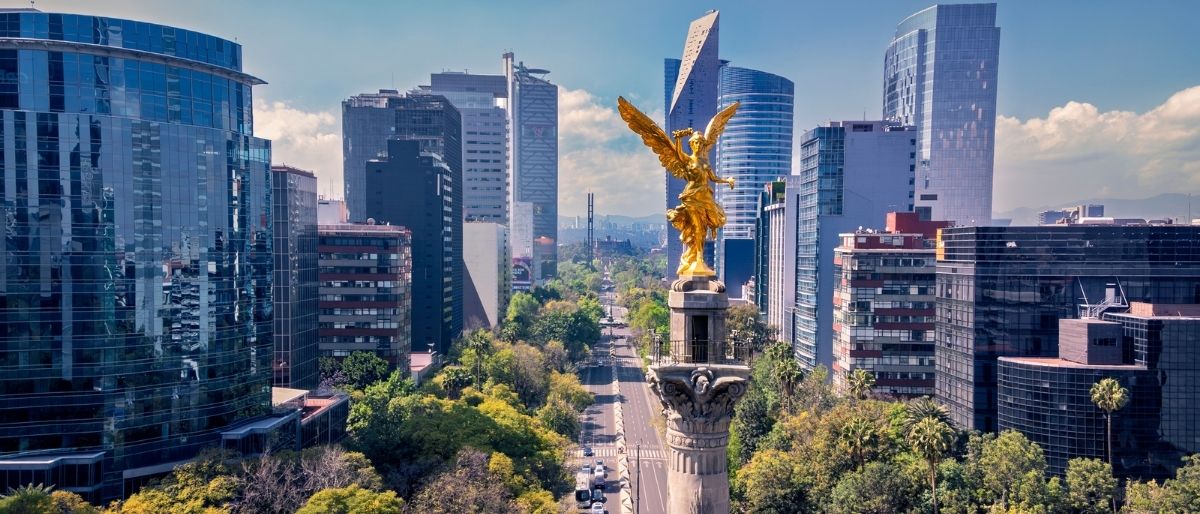
Mexico City is Latin America's queer capital — first to legalize same-sex marriage, home to one of the largest Pride marches in the region, and the most concentrated LGBTQ+ bar district south of the US. The complete 2026 guide for queer travelers.
 Robbie S.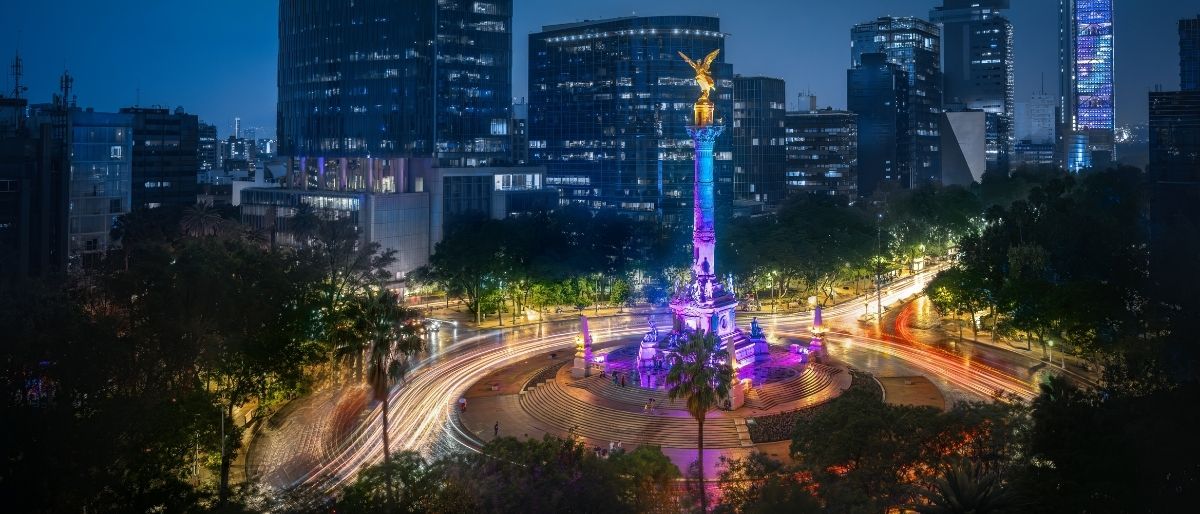
The most concentrated LGBTQ+ bar district in Latin America runs along Calle Amberes in Zona Rosa, with a deeper scene in Roma, Condesa, and Centro. 30+ bars, clubs, drag rooms, and after-hours floors.
Robbie S.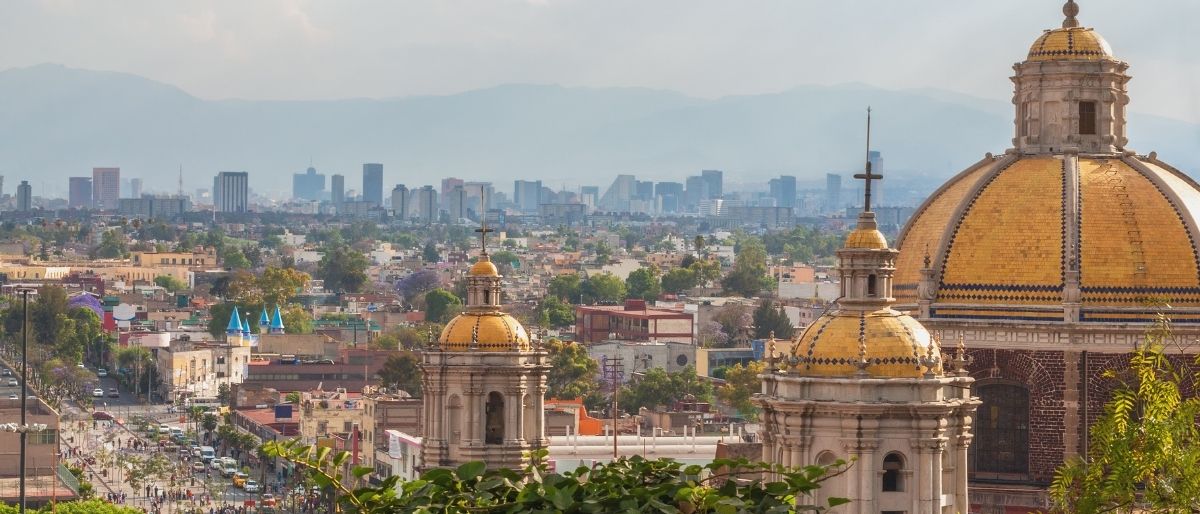
Where to stay for Mexico City's queer nightlife — 3 Zona Rosa hotels for walk-to-the-bars, 3 Reforma luxury picks, 4 Condesa and Roma boutique stays (one gay-owned, all queer-welcoming). Plus tips for booking during World Cup 2026.
Robbie S.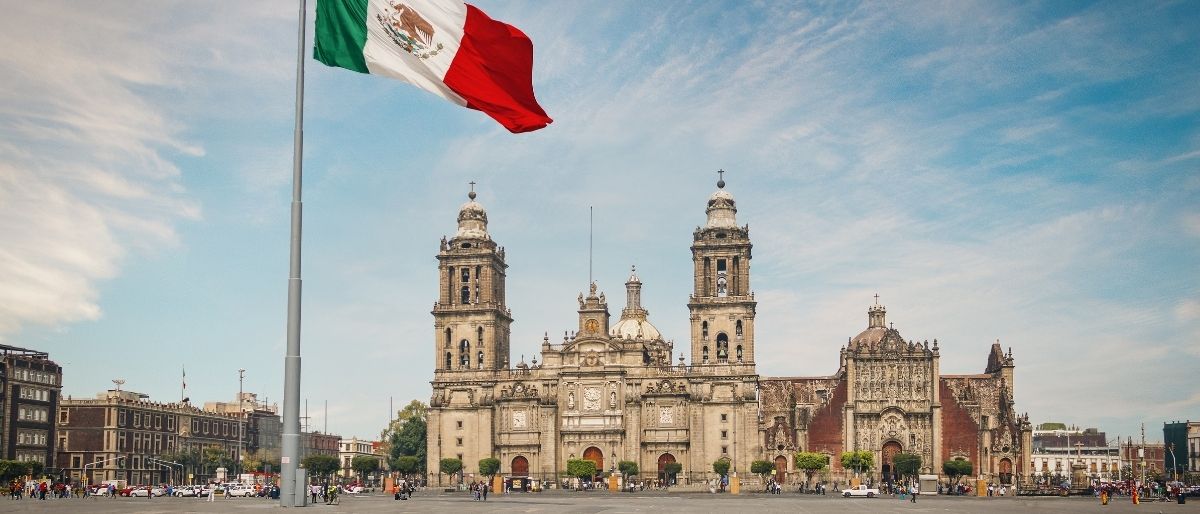
Everything you need for Mexico City Pride 2026 — Marcha del Orgullo on June 27, Zona Rosa parties, WE Party's CDMX debut, Bearmex, where to stay, and insider tips.
Robbie S.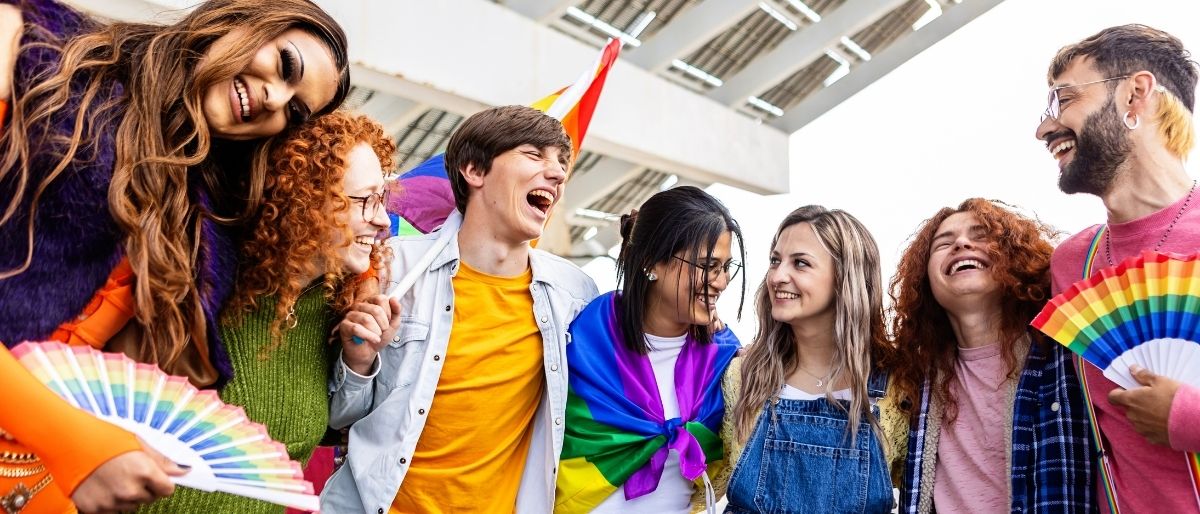
June is Pride Month, and the chaos is real. Here are 25+ of the best gay events in June 2026 across North America, organized by week so you can actually plan your travel.
Robbie S.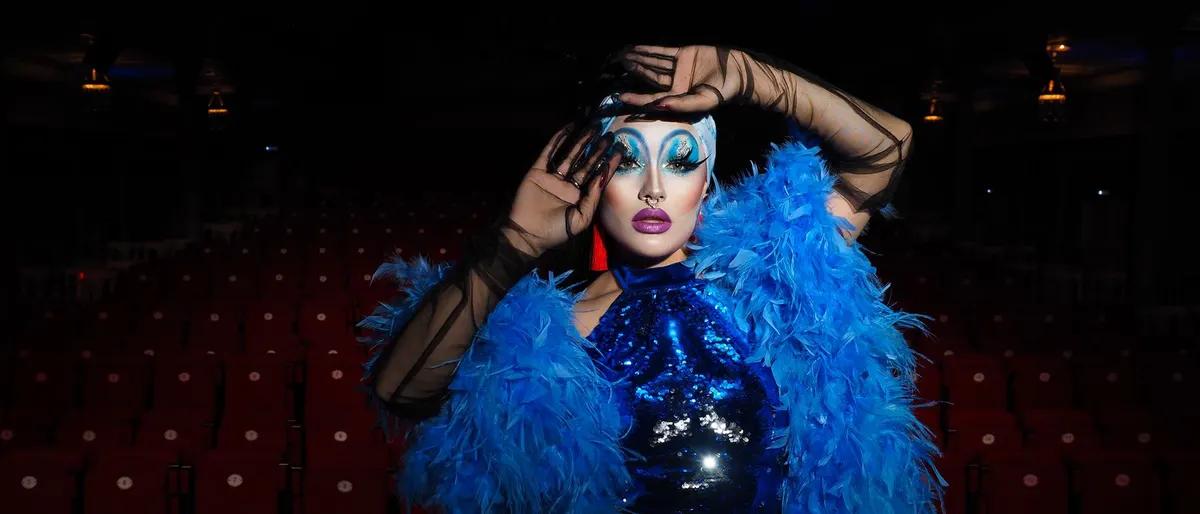
The practical first-timer's guide to drag: what people actually wear, how much cash to bring, how to hand a tip to a queen without making it weird, and what the room expects of you.
Robbie S.


