LGBTQ+ Guide to Mexico City 2026: Neighborhoods, Nightlife, History & Travel Tips

Mexico City is Latin America's queer capital — first to legalize same-sex marriage, home to one of the largest Pride marches in the region, and the most concentrated LGBTQ+ bar district south of the US. The complete 2026 guide for queer travelers.

Mexico CityGay Events
Drag brunches, circuit nights & every party worth knowing in Mexico City — in your inbox every week.
Why Mexico City Is Latin America's Queer Capital
Looking for what’s happening right now? See live events, venues and what’s on this week in the Gay Mexico City events hub.
Mexico City — Ciudad de México, CDMX, the place locals just call "México" — is the largest, most LGBTQ+-welcoming capital in Latin America. The city legalized same-sex marriage in 2010, the first jurisdiction in the region to do so. The Marcha del Orgullo CDMX drew around 800,000 people in 2025, one of the largest Pride marches in Latin America. Zona Rosa hosts the most concentrated LGBTQ+ bar district south of the US border. And the city's queer cultural footprint — from Frida Kahlo's Casa Azul to Roma's Revuelta Queer House to Drag Race México — is one of the deepest in the Americas.
Add the food (CDMX is one of the great food cities in the world), the museums (Mexico City has more museums than almost any city on earth), the architecture (colonial Centro, art deco Roma, modernist Polanco), and the affordability (most things cost half what they do in a US city of comparable scale), and the case for visiting writes itself.
This guide covers what queer travelers need to know to plan a great CDMX trip in 2026 — neighborhoods, nightlife, food, history, museums, day trips, and the practical stuff (currency, transit, safety, when to go).
Browse Mexico City venues on Out x Out →
Mexico City at a Glance
- Population: ~9.2M in CDMX proper, ~22M in the metro area — one of the largest urban regions on earth
- Elevation: 7,350 feet (2,240 m) — pace yourself for the first 24 hours
- Currency: Mexican peso (MXN). 1 USD ≈ 17-19 MXN in 2026
- Language: Spanish first; English is widely spoken in tourist neighborhoods
- Major airports: Mexico City International (MEX) — main hub. Felipe Ángeles (NLU/AIFA) — secondary, ~45 min north
- Best months to visit: March-May and October-November (mild, dry, low rainfall)
- Pride: Marcha del Orgullo, last Saturday of June (June 27, 2026; start time typically ~10 AM — confirm closer to the date)
- Same-sex marriage: Legal since 2010 — first in Latin America
Pro Tip
Altitude matters in CDMX. The city sits higher than Denver, and most US travelers feel it on day one — mild headaches, faster fatigue, lower alcohol tolerance. Drink more water than feels natural, take it easy on the mezcal your first night, and skip the high-elevation day trips (Teotihuacán, Nevado de Toluca) until day three.
Best Neighborhoods for LGBTQ+ Travelers
Zona Rosa — The Gay District
Zona Rosa is CDMX's gay neighborhood. Calle Amberes is the main strip — by 11 PM most nights, the sidewalks are full and the bars are spilling out into the street. The district sits between Paseo de la Reforma and Avenida Chapultepec in the Cuauhtémoc borough, with the Metro Insurgentes (Línea 1) at its southern edge.
This is the easiest neighborhood for first-time queer visitors. Most hotels are openly LGBTQ+-friendly. Almost every Mexico City queer bar worth visiting is within a 10-minute walk. The crowd is mixed locals + international, and the energy is high every night of the week.
Why stay here: Walkable to every gay bar. Pride Week base camp. Why not: Late-night noise. Quieter restaurant scene than Roma. Limited boutique-hotel options.
Roma & Condesa — Hipster Queer
Roma and Condesa are the city's design-forward neighborhoods. Tree-lined streets, art deco apartments, world-class cocktail bars, and the highest density of celebrated restaurants in the city. The queer scene here is smaller than Zona Rosa but distinct — cocktail bars, queer coffeeshops, drag rooms, and a slower, more local vibe.
Roma Norte is younger and more design-press; Roma Sur is quieter; Condesa centers on Parque México and Parque España with a queer-and-allied family-friendly energy.
Why stay here: Best food, prettiest streets, boutique hotels, mellower queer scene. Why not: A 10-15 minute Uber from Zona Rosa nightlife.
Polanco — Luxury & Quiet
Polanco is the wealthy district — embassies, designer boutiques, Chapultepec Park, and most of CDMX's luxury hotel inventory (Four Seasons, St. Regis, Las Alcobas, JW Marriott). Quieter than Roma and Zona Rosa, with the city's strongest fine-dining scene and a queer-friendly clientele in the major hotels.
Why stay here: Loyalty programs, luxury, quiet, museum walking distance. Why not: Less neighborhood walkability than Roma. Pricey.
Centro Histórico — History First
The historic core. Zócalo, the Cathedral, the Templo Mayor, Bellas Artes, and the city's oldest queer venues (Marrakech Salón, Teatro Garibaldi). Architecture and history at every step. A 10-minute Uber to Zona Rosa for nightlife.
Why stay here: Architectural drama, walkable museums, lower hotel prices than Polanco. Why not: Centro is quieter at night; you're commuting for nightlife.
Juárez — The In-Between Neighborhood
Juárez sits between Zona Rosa and Reforma, a slightly grittier extension of Zona Rosa with cheaper rents, growing cocktail-bar scene, and quieter streets at night. Good for queer travelers who want walkability to Zona Rosa without staying inside the bar zone.
Read our complete Mexico City hotel guide →
Mexico City's Queer History (in Brief)
- 1901 — *El baile de los 41*. A police raid on a clandestine gay ball in Mexico City — 41 men, 19 of them dressed as women — became the foundational moment in modern Mexican queer history. The number "41" has been Mexican queer-coded ever since.
- 1979 — First Marcha del Orgullo. Roughly 1,000 people marched in the first organized Pride in Mexico City — one of the earliest Pride marches in Latin America.
- 1980s — Zona Rosa becomes the gay neighborhood. El Almacén and a cluster of cantinas anchor what becomes the most concentrated queer district in Latin America, while salones like Marrakech build a parallel scene in Centro Histórico. Many of these venues are still operating today.
- 2010 — Same-sex marriage legalized in CDMX. The first jurisdiction in Latin America to legalize. The same year, the Supreme Court upheld CDMX same-sex couples' right to adopt. Mass weddings have been part of Pride every year since.
- 2022 — Same-sex marriage legal nationwide. Years of state-by-state reforms, backed by a series of Supreme Court rulings, made marriage equality reality across all 32 states by October 2022.
- 2024 — *Drag Race México* premieres. The Mexican franchise of the global drag competition launches, with most filming in CDMX.
The architectural and cultural legacy: Frida Kahlo's openly bisexual life and her Casa Azul in Coyoacán; the Museo Universitario del Chopo as one of the country's first openly queer-friendly cultural spaces; the long shadow of baile de los 41 in Mexican slang and pop culture.
Nightlife: The Best Bars and Clubs
CDMX has the most concentrated LGBTQ+ bar district in Latin America, anchored in Zona Rosa with secondary scenes in Roma, Condesa, and Centro Histórico.
Zona Rosa Headliners
- Kinky Bar — Three-floor multi-room club at the heart of Zona Rosa. The default first stop.
- La Purísima — Mexican pop, cumbia, reggaeton on a massive dance floor with rotating drag MCs.
- EL ALMACÉN — A longtime Zona Rosa institution. Rotating shows depending on the night.
- Babiana — The long-running lesbian and queer-women bar on Londres 102.
- Mami — Took over the Crown space at Londres 71; drag queens, gogos, and reggaeton.


Drag, Cabaret & Theater
- The Cabaré-Tito family — Three sister venues in Zona Rosa share a single drag-cabaret brand. Fusión (Londres 77) is the show-and-spectacle room; Punto y Aparte (Amberes 61) is the everyday workhorse with the rooftop terrace; El Taller (Florencia 37a) is the dive-y Florencia basement (men-only Sundays).
- Teatro Garibaldi — Historic theater turned queer venue in Centro Histórico.
- Marrakech Salón — Iconic Centro Histórico salón. Cash-only, no-frills, packed.


Bears, Leather & Fetish
- Nicho Bears & Bar — Mexico's most established bear bar. Year-round home of the bear scene and Bearmex Festival.
- TOM's Leather Bar — The leather and fetish institution of the CDMX scene, on Insurgentes Sur just south of Zona Rosa.
- Vaqueros Bar — Mexican cowboy / vaquero-themed gay bar with banda and ranchera nights.


Roma, Condesa & Doctores
- Bonbon — Trendy queer dance bar with rooftop, Thursday-night themed parties.
- El Pecado Bar — Centro cocktail bar with a small dance floor and a slightly older crowd.
- Revuelta Queer House — LGBTQ+ cultural space with art shows, performance nights, and a rooftop.
- Un Club Bonito — Indie-pop sanctuary in Hipódromo Condesa; Saturday nights run with the sister party Una Disco Guapa upstairs.
- La Caña — Half psychedelic marisquería, half cultural living room in Doctores. Diana Torres / Ali Gua Gua scene.
- Abrazarnos — New (2026) LGBTQ+ sensorial concept bar with themed rooms (cuddle, cold, patio).


House, Techno & After-Hours
- Sic Community Club — Saturday-night queer underground at Versalles 64. Three rooms of disco house, techno, and nu-disco that lock in around 2 AM.
- Fünk Club — Funktion-One basement on Insurgentes Sur; Thursdays are the explicit queer night.
- ESTEREO — Friday-night queer dance party at Versalles 64 (sister night to Sic).


Read our complete best gay bars in Mexico City guide →
Find Tonight's Best Mexico City Events
Browse the full Mexico City queer event calendar and discover bars, drag shows, and parties happening tonight on Out x Out.
Mexico City Pride
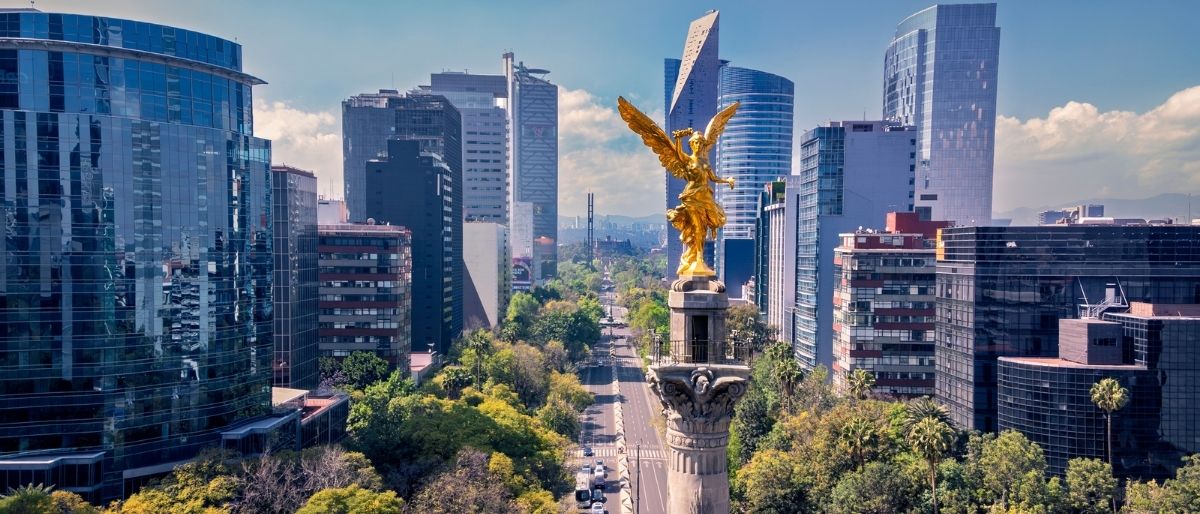
The Marcha del Orgullo CDMX is one of the largest Prides in Latin America — around 800,000 people joined the 2025 march. The 2026 edition runs Wednesday June 24 – Monday June 29, with the main march on Saturday, June 27, 2026 (start time typically ~10 AM — confirm closer to the date) stepping off from Ángel de la Independencia and ending at the Zócalo.
Pride Week brings:
- Bearmex Bear Pride Festival — a major bear circuit weekend
- WE Party Mexico City — international circuit brand bringing its full production to CDMX in 2026
- Karmabeat / Living Mexico City — signature CDMX circuit Saturday night
- Cabaré-Tito Pride Afterparty — three Zona Rosa locations on a single wristband
- Mass wedding ceremony — held at the Ángel de la Independencia before the march, since 2010
Read the complete Mexico City Pride 2026 guide →
Food: What to Eat and Where
CDMX is one of the great food cities in the world. Tacos al pastor invented here, mole from Oaxaca, mariscos in Roma, and one of the deepest mezcal scenes south of Oaxaca itself. A few queer-friendly places to start:
Quick & Iconic
- El Califa de León (San Rafael) — A tiny beef-taco stand (the gaonera, a thin-cut steak taco, is the signature) that became the first taquería to win a Michelin star. Cheap, no-frills, queer-tourist-coded.
- Tacos El Huequito (multiple locations) — The original Centro al pastor stand, now with branches across the city.
- El Pescadito (Roma & Condesa) — Sonoran-style fish and shrimp tacos. Queer-and-allied crowd, lines out the door at peak.
- Los Cocuyos (Centro) — 24-hour suadero / tripa stand on Bolivar. Late-night Centro favorite.
Sit-Down Mexican
- Pujol (Polanco) — Enrique Olvera's tasting-menu landmark. World's-50-Best every year. Book months ahead.
- Quintonil (Polanco) — Tasting-menu Mexican with a quieter dining room than Pujol. Equally celebrated.
- Contramar (Roma) — The lunch ritual. Tuna tostada is the dish; the queer brunch crowd is the scene.
- Maximo Bistrot (Roma Norte) — Locavore French-Mexican; queer-coded ownership and clientele.
- Sartoria (Roma) — Italian-Mexican, Roma's prettiest dining room.
Queer-Coded & LGBTQ+-Friendly Spots
- El Sirenito (Roma) — LGBTQ+-coded restaurant and bar with seafood and mezcal cocktails.
- Maison Artemisia (Roma) — Apothecary-themed cocktail bar with a queer-and-allied crowd.
- Travesura (Roma Norte) — Modern Mexican with a fun, design-forward crowd; queer-friendly.
- Cardín Pastelería (Roma) — Pastry shop with a queer-and-allied lunch crowd; great for slow Sunday mornings.
- Ágora Café (Roma Norte) — The only café marketed explicitly by and for the LGBTQ+ community; weekend events.
- Justina Café (Nativitas) — An LGBTQ+-owned, feminist-minded specialty coffee bar; femme-forward, sapphic-coded.
- Manos Amigues (Guerrero) — CDMX's first LGBTQ+ community kitchen, 11-peso meals + Friday afternoon drag and DJ programming.


Cocktail Bars
- Handshake Speakeasy (Juárez) — 50 Best Bars list regular. Reservations essential.
- Licorería Limantour (Roma & Polanco) — One of the world's best bars. Queer-friendly clientele.
- Maison Artemisia — As above, in the queer-coded section.
Pro Tip
Don't skip the *fondas* — small family-run lunch counters that serve set menus (sopa + plato fuerte + agua) for 80-150 MXN. Roma, Condesa, and Centro all have neighborhood fondas where you'll eat better than at most tourist restaurants for a fraction of the price.
Museums, Culture & Things to Do
CDMX has more museums than almost any city on earth. Queer travelers should prioritize:
Frida Kahlo Museum (Casa Azul)
The cobalt-blue house in Coyoacán where Frida Kahlo lived and painted is one of CDMX's most-visited museums. Kahlo's bisexuality, her relationship with Diego Rivera, and her relationships with women — including a long-rumored (if undocumented) romance with Josephine Baker — are central to her story. Book online weeks ahead — walk-up tickets are essentially impossible on weekends.
Museo Universitario del Chopo
One of CDMX's most explicitly queer-friendly cultural institutions, with a long history of LGBTQ+, punk, and counterculture programming. The Sunday flea market outside the museum is a CDMX institution.

Museo de Memoria y Tolerancia
The only major Mexican museum that puts 20th-century genocides in conversation with present-day human rights — and its Tolerancia floor has tackled gender and LGBTQ+ identity, including the 2018 LGBT+: Identidad, Amor y Sexualidad exhibition. On Plaza Juárez across from the Hemiciclo a Juárez.

Salón Silicón
The gallery you send out-of-town friends to when they want a read on what LGBTQ+ and feminist artists in CDMX are actually making right now. Tehuantepec 223 in Roma Sur, founded 2017 by Olga Rodríguez, Romeo Gómez López, and Laos Salazar.
Eucalipto 20
Multi-use queer cultural space in Santa María la Ribera, housed in a 1903 mansion that once served as the headquarters of the Frente Homosexual de Acción Revolucionaria (FHAR) — one of the collectives behind Mexico's first public homosexual demonstrations in 1978, just before the first formal Marcha del Orgullo in 1979. Gallery, cabaret, workshop room, and informal community hub all rolled into one.
El Armario Abierto
One of Latin America's first bookstores organized entirely around sex, gender, and sexuality — open since 1998, founded by sexologists Rinna Riesenfeld and Luis Perelman. On Agustín Melgar 25 in Condesa. Books, workshops, and a quiet local-feeling room.
Somos Voces
Latin America's biggest LGBTQ+ bookseller, on Niza 23 in Zona Rosa — bookstore by day, queer events space most evenings.

Museo Nacional de Antropología
The greatest pre-Columbian museum in the Americas, in Chapultepec Park. Plan 4-5 hours minimum.
Palacio de Bellas Artes
Centro's art-deco-meets-art-nouveau opera house, with murals by Rivera, Orozco, and Siqueiros. Ballet Folklórico de México performs here weekly.
Museo Soumaya
The mirror-tiled Carlos Slim museum in Polanco. Free entry, idiosyncratic collection ranging from Rodin to van Gogh to Mexican modernists.
Templo Mayor & Centro Histórico Walk
Aztec ruins right next to the Cathedral. Pair with a walk through Centro to Bellas Artes and the Casa de los Azulejos.
Refugio CasaFrida
Mexico's first shelter designed specifically for LGBTQ+ people fleeing persecution, opened in 2020 by Raúl Caporal and Lucía Riojas. Programs cultural events alongside residential services — a meaningful place to drop a donation if you can.
Day Trips & Beyond CDMX
- Teotihuacán — The pyramids, 1 hour north. Climb at sunrise to beat the crowds and the altitude. Combine with Coyoacán on the return.
- Coyoacán — Frida's neighborhood, 30 minutes south. Cobblestone streets, the Casa Azul, the Mercado de Coyoacán, Trotsky's house.
- Xochimilco — Trajinera (decorated boat) rides through the canals, 1 hour south. Best as a Saturday afternoon group activity.
- Puebla & Cholula — UNESCO colonial city + the world's widest pyramid, 2 hours by bus. Day trip-able but better as overnight.
- Tepoztlán — Magical-realism mountain town with a pyramid on top, 1.5 hours south. Day trip for the pyramid hike, weekend for the vibe.
Practical Tips for LGBTQ+ Travelers
Safety
Mexico City is one of the safer major cities in Latin America for queer travelers. Public PDA in Zona Rosa, Roma, Condesa, Centro, and Polanco is normal. The standard nightlife rules still apply (use Uber rather than unmarked taxis after midnight, watch your drinks, don't flash valuables in less-touristed areas) but homophobic incidents in tourist neighborhoods are rare.
Transit
- Metro — Fast, cheap (5 MXN per ride), runs 5 AM-midnight. Crowded at rush hour.
- Metrobús — BRT lanes along major avenues. Línea 1 along Insurgentes is the most useful for Pride and Zona Rosa visitors.
- Uber & Didi — Cheap and reliable. Use these after midnight rather than walking long distances or taking unmarked taxis.
- Walk — Roma, Condesa, Zona Rosa, and Polanco are individually walkable. Between them, Uber.
Money
- Pesos. Card is widely accepted at hotels, restaurants, and newer bars. Cash is essential for street food, smaller venues, and Marrakech Salón. ATMs at major banks (BBVA, Santander, Banamex, HSBC) offer better rates than airport currency exchange.
- Tipping. 10% standard at restaurants, 15-20% if exceptional. Round up for taxi / Uber. Bartenders appreciate 10-20 MXN per round.
Language
- Most tourist neighborhoods are English-functional. Hotels, restaurants, queer bars, and Uber drivers handle visitors comfortably.
- A few phrases go a long way. "Una cerveza, por favor." "¿Cuánto es?" "¿Hay show esta noche?" "La cuenta, por favor." Learn five and you'll have a noticeably better trip.
- Drag shows are usually in Spanish. Cabaré-Tito hosts will toss in English; Marrakech and the older salones won't.
When to Visit
- March-May — Mild, dry, peak season for non-Pride travel.
- June — Rainy season starts, but Pride Week is the queer travel peak.
- July-August — Rainier afternoons but full sun mornings; lower hotel prices outside Pride / World Cup overlap.
- September — Independence Day (Sept 15-16) is a big tourism week. Otherwise quieter.
- October-November — Día de Muertos (Oct 31-Nov 2) is one of CDMX's biggest tourism windows. Book months ahead.
- December-February — Cool, dry, sunny. Good travel weather, lower hotel prices.
Pro Tip
2026 is an unusual year in CDMX. The FIFA World Cup runs June 11-July 19, overlapping with Pride Week. Hotels are booking earlier than usual and rates are running 50-80% above 2025. If you're traveling June-July 2026, lock in refundable rates by April at the latest.
Where to Stay
Read our complete Mexico City hotel guide →
Quick version:
- Zona Rosa — Walk to every gay bar. First-timers, Pride Week. Hotel Geneve (1907 classic), Room Mate Valentina (modern, gay-founded chain on Amberes), Amberes 64 (apart-hotel with kitchens).
- Paseo de la Reforma — Luxury skyline hotels, 10-min walk to the bars. Sofitel Mexico City Reforma (Cityzen rooftop), The St. Regis Mexico City (King Cole Bar), Four Seasons (Fifty Mils bar).
- Condesa & Roma Norte — Boutique, design, food. The Red Tree House (gay-owned B&B), Casa Goliana (Roma boutique with explicit LGBTQ+ marketing), Condesa DF (India Mahdavi design landmark), Casa Comtesse (gay-owned value play).


Pro Tip
**Book early for 2026.** Pride Week (June 24-29) overlaps with the FIFA World Cup (June 11 – July 19), where CDMX is a co-host city. Expect rates 50-80% above shoulder season and limited availability if you book inside two months. Aim for 8-12 weeks out for Pride Week; 3-4 weeks out for any other 2026 visit.
Frequently Asked Questions
Is Mexico City safe for LGBTQ+ travelers?
Yes — Mexico City is one of the most LGBTQ+-welcoming capitals in the Americas. Same-sex marriage was legalized here in 2010 (first in Latin America), and PDA in Zona Rosa, Roma, Condesa, Centro, and Polanco is unremarkable. Standard nightlife caution still applies (Uber rather than unmarked taxis after midnight, watch your drinks, don't flash valuables) but the city itself is genuinely welcoming.
When is Mexico City Pride 2026?
The Marcha del Orgullo CDMX 2026 takes place Saturday, June 27, 2026, with the parade stepping off at 10 AM from Ángel de la Independencia and ending at the Zócalo. Pride Week runs roughly June 24-29, with circuit parties, drag shows, and a free Zócalo festival post-march.
What is the gay neighborhood in Mexico City?
Zona Rosa, in the Cuauhtémoc borough between Paseo de la Reforma and Avenida Chapultepec. The main gay strip is Calle Amberes, with Calle Hamburgo, Calle Génova, and Calle Florencia branching out. Metro Insurgentes (Línea 1) is the closest station. Roma and Condesa, just south, have a smaller queer scene focused on cocktail bars and cabaret.
How many days do I need in Mexico City?
Minimum 4 days for a queer travel trip — enough for two nights of Zona Rosa nightlife, one Pride event or major venue, the Frida Kahlo Museum + Coyoacán, a Centro day, and a Roma food crawl. Five to seven days lets you add Teotihuacán, Xochimilco, more museums, and more relaxed days. Pride Week visitors should plan 5-6 nights to cover the major events without burning out.
Do I need to speak Spanish in Mexico City?
You'll get by without it. Hotels, queer bars, restaurants in tourist neighborhoods, and Uber drivers handle English visitors comfortably. Learning a few phrases (gracias, por favor, una cerveza, la cuenta) gets you noticeably better service and shows respect for being a guest in someone's country. Drag shows are mostly in Spanish, with Cabaré-Tito hosts often switching to English for international audiences.
How does the altitude affect travelers?
CDMX sits at 7,350 feet (2,240 m). Most US travelers feel it for the first 24-48 hours — mild headaches, faster fatigue, lower alcohol tolerance. Drink more water than feels natural, take it easy on the mezcal your first night, and skip high-altitude day trips (Teotihuacán, Nevado de Toluca) until day three. By day three, you'll feel normal.
What's the best time of year to visit Mexico City?
March-May and October-November are the most reliable months — mild temperatures, low rainfall, full sun. June-September is rainy season (afternoon storms, mornings clear). Pride Week (last week of June) is the queer travel peak. Día de Muertos (late Oct / early Nov) is the broader cultural tourism peak. Avoid Christmas / New Year if you want lower prices and quieter streets — that week is one of CDMX's most-traveled.
Can same-sex couples get married in Mexico City?
Yes — Mexico City legalized same-sex marriage in 2010 (the first jurisdiction in Latin America). The Mexican Supreme Court extended it nationwide in 2022. Mass weddings are part of the Marcha del Orgullo every year, held at the Ángel de la Independencia before the march steps off.
Is Mexico City affordable?
Yes, by US and European standards. Mid-tier hotels run $120-220 USD, restaurant meals $10-30 USD per person at sit-down places (much less for street food and fondas), Ubers within Zona Rosa / Roma / Polanco $3-7 USD, drinks at queer bars $4-9 USD. Luxury (Pujol, Four Seasons, top tasting menus) runs at New York-adjacent prices, but everything below the very top is meaningfully cheaper than in major US cities.
How do I get from the airport to Zona Rosa?
Authorized airport taxis run flat rates by zone — roughly 350-500 MXN ($18-28 USD) to Zona Rosa from MEX in 2026. Uber and Didi are legal at MEX but you need to walk to the designated rideshare zone outside the terminal (about 5 minutes). Pre-booked private transfers run $30-50 USD. Avoid unauthorized taxis at curbside.
Out x Out's Mexico City Coverage
- Mexico City Pride 2026: Marcha del Orgullo, Parties & Complete Guide →
- Best Gay Bars & Clubs in Mexico City 2026 →
- LGBTQ+-Friendly Hotels in Mexico City 2026 →
- Browse all Mexico City venues →
- See all Mexico City events →
CDMX has been the queer capital of Latin America for as long as anyone has been counting. The food is great, the museums are world-class, the Pride is enormous, and the gay scene runs from 1980s salones in Centro to glass-and-steel rooftops in Polanco. Spend at least four days, stay in Zona Rosa or Roma, and don't book your last dinner — the best places you find here will be the ones a local sends you to on day three.
Enjoyed this article?
Subscribe to our newsletter for more LGBTQ+ travel guides, local discoveries, and community stories delivered to your inbox.
Subscribe to Newsletter
Robbie S.
I'm Robbie, the founder of Out x Out. I'm from Minneapolis, though I'm spending 2026 building this community from the road — somewhere between South America and Asia. The idea for Out x Out came from a trip to Berlin, where the gay nightlife calendar was years ahead of ours: you could see not just where to go out, but which night to go — so naturally I wanted that kind of insider info for every city in the US (and beyond... eventually). I'm more of a behind-the-scenes type, but the whole point of this is connection: I'd take one real one over a hundred surface-level ones, and I'm trying to build that for the community, city by city.
Related Posts
Best Gay Bars & Clubs in Mexico City 2026
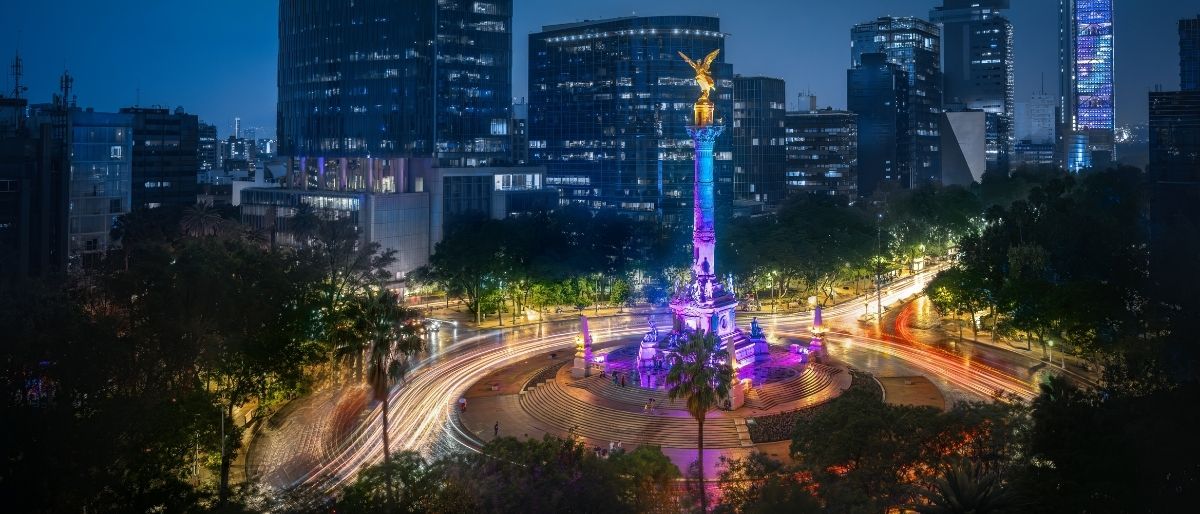
The most concentrated LGBTQ+ bar district in Latin America runs along Calle Amberes in Zona Rosa, with a deeper scene in Roma, Condesa, and Centro. 30+ bars, clubs, drag rooms, and after-hours floors.
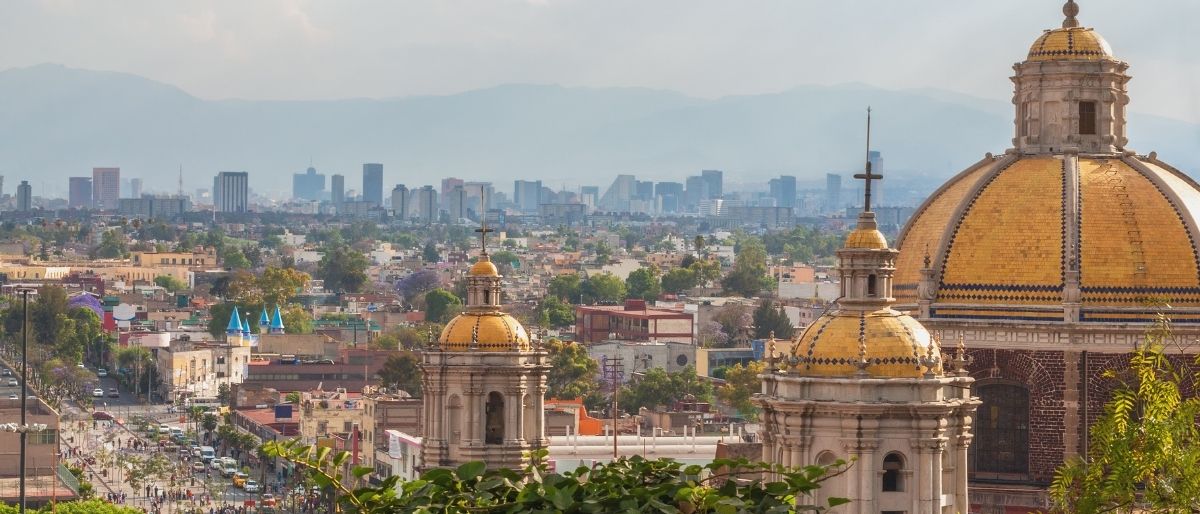
Gay Friendly Hotels in Mexico City 2026: 10 Best Picks by Neighborhood
Where to stay for Mexico City's queer nightlife — 3 Zona Rosa hotels for walk-to-the-bars, 3 Reforma luxury picks, 4 Condesa and Roma boutique stays (one gay-owned, all queer-welcoming). Plus tips for booking during World Cup 2026.
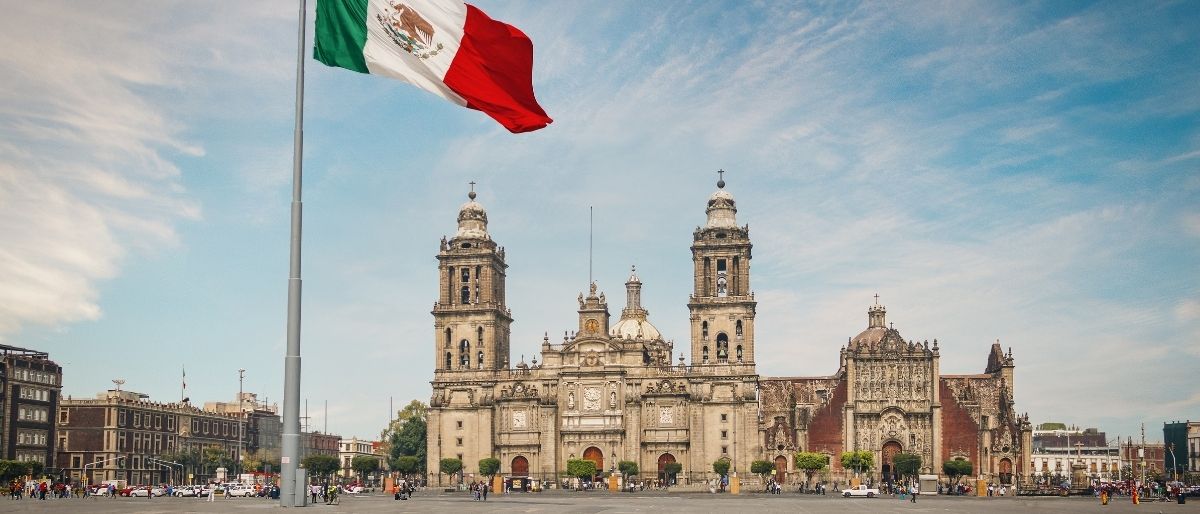
Mexico City Pride 2026: Marcha del Orgullo, Parties & Complete Guide
Everything you need for Mexico City Pride 2026 — Marcha del Orgullo on June 27, Zona Rosa parties, WE Party's CDMX debut, Bearmex, where to stay, and insider tips.