Part of the Gay Mexico City Guide — bars, events & things to do.

Mexico City, State of Mexico
Human rights museum on Plaza Juárez with a permanent LGBTQ+ exhibit
Founded in 2010 on Plaza Juárez right across from the Hemiciclo a Juárez, this is the only major Mexican museum that puts the 20th-century genocides — Holocaust, Armenia, Rwanda, Cambodia, Guatemala, the former Yugoslavia, Darfur — in conversation with present-day human-rights work. The Memoria floor is heavy and unflinching; the Tolerancia floor pivots into discrimination, gender, migration, and LGBTQ+ identity, with a permanent Identidad, Amor y Sexualidad exhibit developed with community input that's often free to walk through. Programming has consistently leaned into LGBTQ+ Mexican history, with recurring presence in Pride-month exhibitions. Give yourself at least two hours for the permanent route; the audio guide is worth the extra cost. Most signage is bilingual but the deeper-cut testimonial videos are Spanish-only. The plaza outside is part of the experience — Vicente Rojo's memorial pillars to victims of genocide stand right in front of the entrance.
Have feedback on this description? Let us knowDrag brunches, circuit nights & every party worth knowing in Mexico City — in your inbox every week.
No upcoming events
Try checking a later date or browse events in the app

$38

$114

$125

$90

$140

$79

$80

$74
Experiences powered by Viator
Get the full experience — check in, follow this venue, and connect with the community.
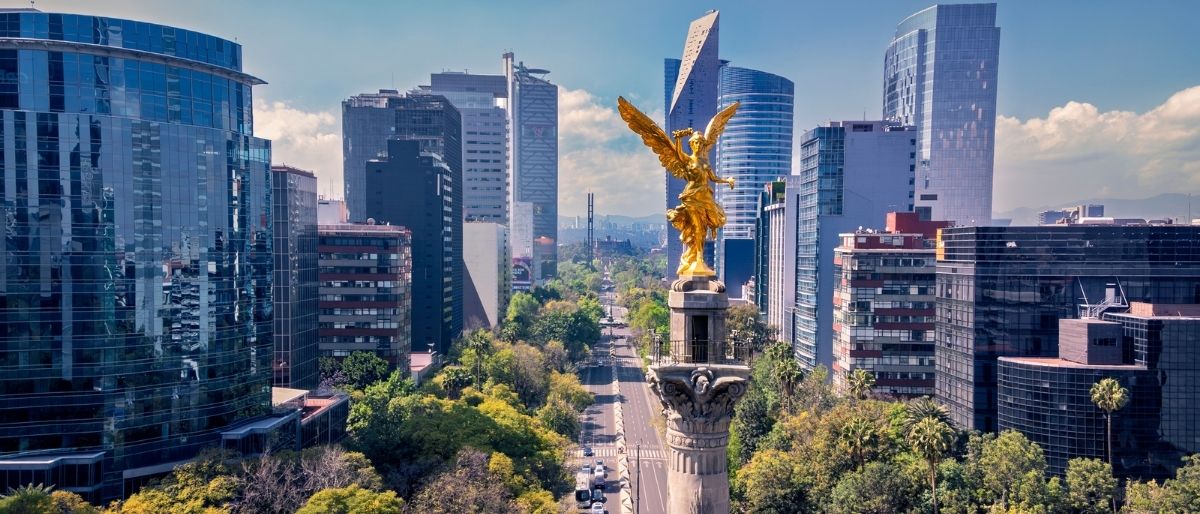
Mexico City is Latin America's queer capital — first to legalize same-sex marriage, home to one of the largest Pride marches in the region, and the most concentrated LGBTQ+ bar district south of the US. The complete 2026 guide for queer travelers.
 Robbie S.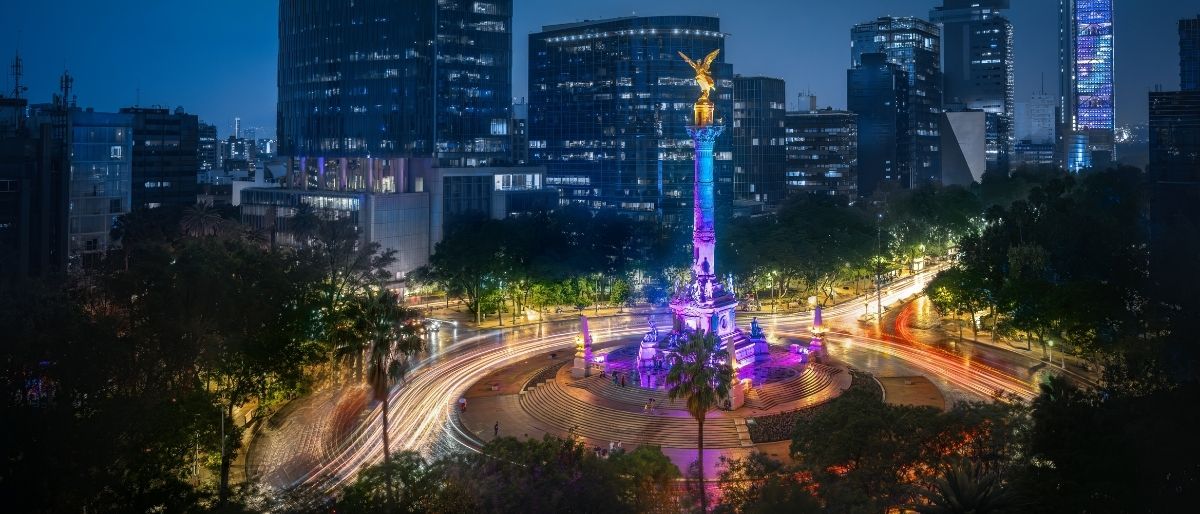
The most concentrated LGBTQ+ bar district in Latin America runs along Calle Amberes in Zona Rosa, with a deeper scene in Roma, Condesa, and Centro. 30+ bars, clubs, drag rooms, and after-hours floors.
Robbie S.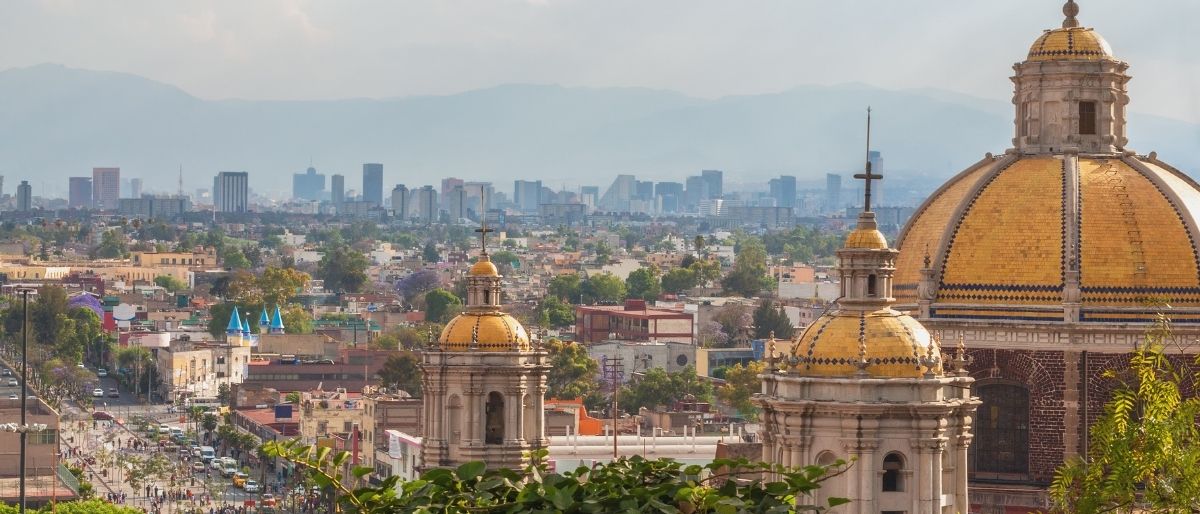
Where to stay for Mexico City's queer nightlife — 3 Zona Rosa hotels for walk-to-the-bars, 3 Reforma luxury picks, 4 Condesa and Roma boutique stays (one gay-owned, all queer-welcoming). Plus tips for booking during World Cup 2026.
Robbie S.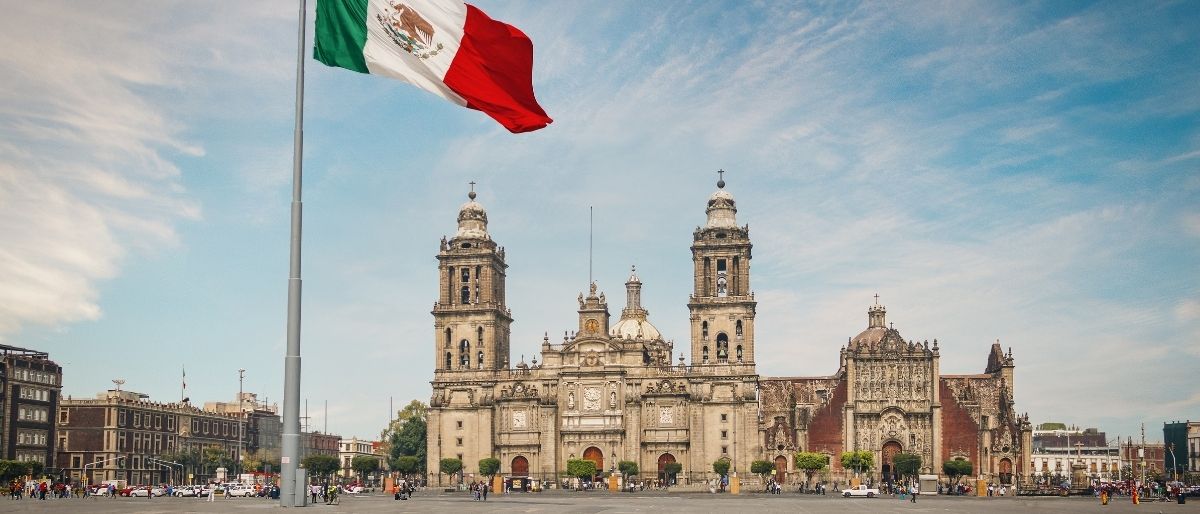
Everything you need for Mexico City Pride 2026 — Marcha del Orgullo on June 27, Zona Rosa parties, WE Party's CDMX debut, Bearmex, where to stay, and insider tips.
Robbie S.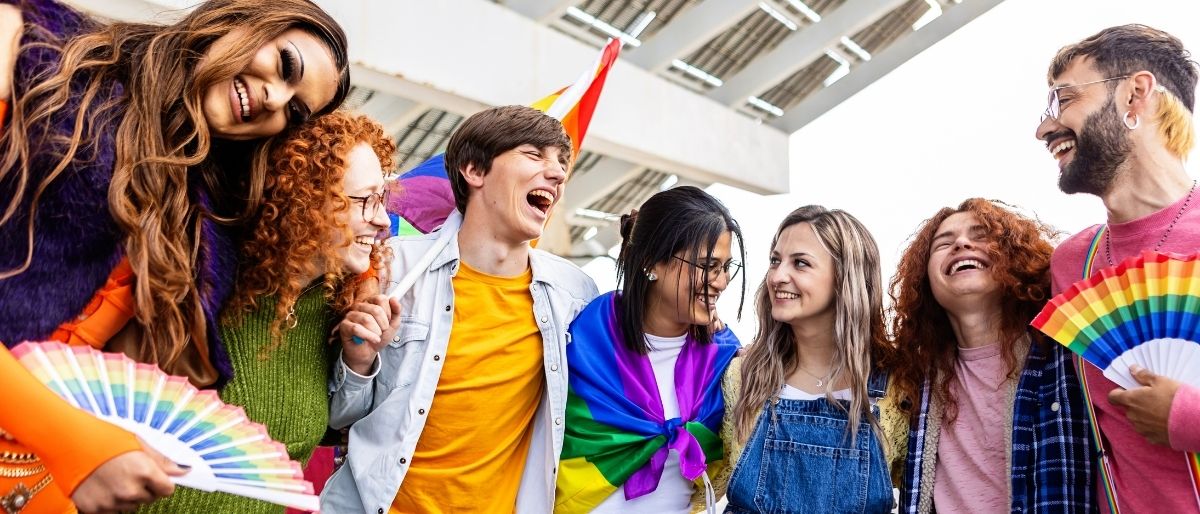
June is Pride Month, and the chaos is real. Here are 25+ of the best gay events in June 2026 across North America, organized by week so you can actually plan your travel.
Robbie S.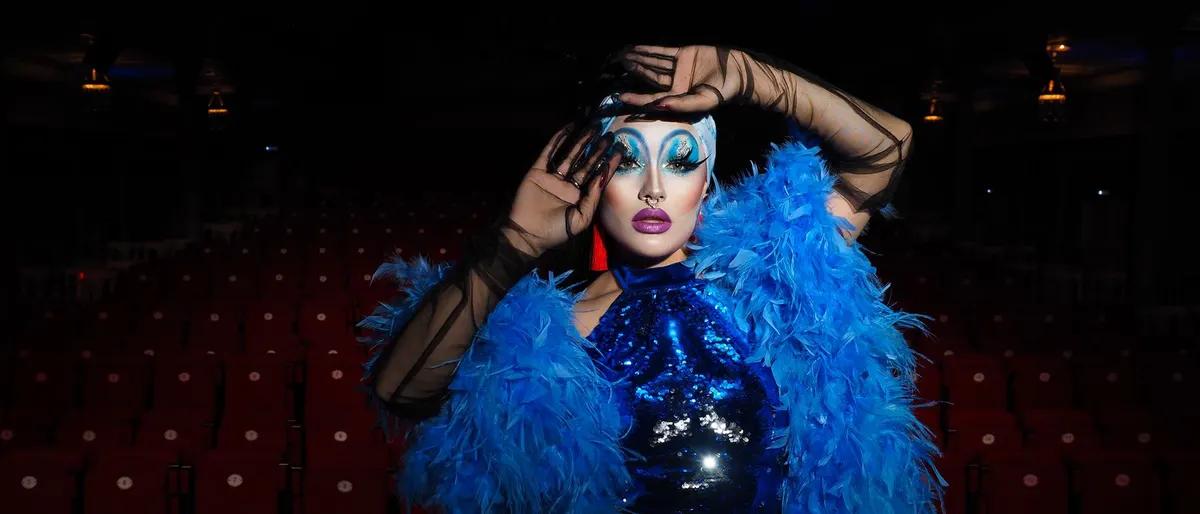
The practical first-timer's guide to drag: what people actually wear, how much cash to bring, how to hand a tip to a queen without making it weird, and what the room expects of you.
Robbie S.


