
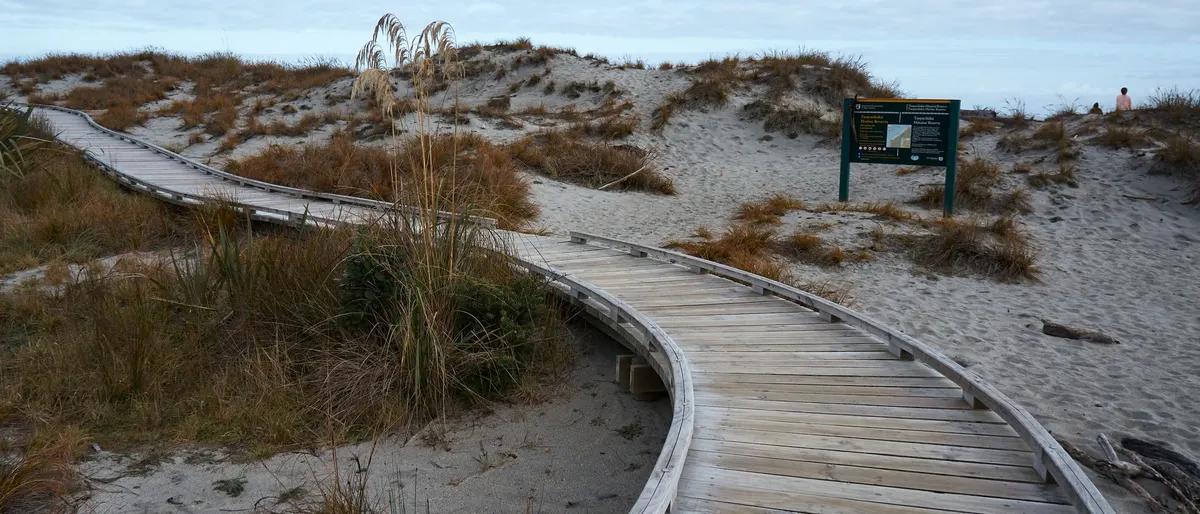
Fire Island Pines: The Complete Gay Guide 2026

The Fire Island Pines is the glamorous, modernist, party heart of gay Fire Island. Here's the complete guide — its architecture and history, the tea-dance nightlife, where to stay and eat, the beach, and the marquee events, plus how it differs from Cherry Grove.

Fire IslandGay Events
Drag brunches, circuit nights & every party worth knowing in Fire Island — in your inbox every week.
If Cherry Grove is where gay America started summering, the Fire Island Pines is where it got glamorous. This is the sleek, sun-bleached, architecturally famous hamlet where the tea dance was perfected, where the summer's biggest circuit weekend happens, and where mid-century modern beach houses stand on stilts over the dunes like a gay design museum you can rent. For decades it's been the aspirational address of gay Fire Island — and it still sets the tone for the whole island's summer.
The Pines is the glossier, more party-focused of the island's two gay hamlets, a short walk east of the Grove. It skews gay-male, style-conscious, and celebratory, built around a harbor of dance clubs and a season of tea dances. Here's the complete guide.
Fire Island Pines 2026 Overview
The essentials at a glance:
- What it is: The glamorous, modernist, party-forward heart of gay Fire Island
- Where: On Fire Island's central stretch, immediately east of Cherry Grove
- The vibe: Sleek, celebratory and gay-male-centric, built around tea dance and the beach
- Getting there: The Sayville Ferry to Fire Island Pines (no cars on the island)
- Nightlife: The Pavilion dance club, the Blue Whale tea dances, and Sip·n·Twirl into the small hours
- Signature events: Pines Party (late July), the Invasion of the Pines (July 4), the Fire Island Dance Festival (July), and Bear Weekend (June)
Pro Tip
Choosing between the Pines and Cherry Grove? Pick the Pines if you want the big tea-dance-into-night scene, the architecture, and the marquee circuit energy; pick the Grove if you want smaller, campier and more welcoming. They're a short water-taxi apart, so most people base in one and visit the other — see our [Cherry Grove guide](/guides/cherry-grove-fire-island) for the other side.
The History & Architecture of the Pines
The Pines came into its own as a gay resort community in the 1950s and '60s, and what set it apart was the building. As money and design ambition arrived, a generation of architects filled the dunes with striking mid-century modernist beach houses — cantilevered decks, floor-to-ceiling glass, cedar and sharp angles, all oriented to the light, the bay and each other. The most celebrated of them were designed by Horace Gifford, whose sensual, nature-embedded houses became so iconic they're the subject of a book, Fire Island Modernist: Horace Gifford and the Architecture of Seduction. Walking the Pines' boardwalks past those houses is a real architectural tour, not just a stroll.
The hamlet grew up around its harbor, where the ferry lands and the commercial heart — the hotel, the restaurants, the Pavilion — sits in a tight cluster, with the residential boardwalks fanning out into the dunes from there. Unlike a resort town with a main street, the Pines has no street at all: the boardwalks are the town, and the houses, decks and pools strung along them are the scenery. That intimacy is the point. On a summer afternoon you can walk from the beach to a pool party to a tea dance to a dinner without ever touching pavement, the whole community folded into a few hundred yards of cedar walkway between the ocean and the bay.
The Pines is also where much of modern gay party culture was refined. The tea dance — the late-afternoon party that flows from beach to dancefloor to night — became an institution here and was copied by gay resorts everywhere. And like the whole community, the Pines carries its history with weight: it was devastated by the AIDS epidemic in the 1980s and '90s, which is part of why its signature summer benefits, from Pines Party to the Fire Island Dance Festival, raise money for HIV/AIDS causes to this day.
Pro Tip
Give yourself one slow walk through the residential boardwalks, away from the harbor, to actually see the houses. The Pines' modernist architecture is one of the great hidden design collections in America — glass boxes and floating decks tucked into the dunes — and it's completely free to admire from the walkway.
Fire Island Pines vs. Cherry Grove
The two hamlets are neighbors with distinct personalities, and knowing the difference tells you where to stay.
Fire Island Pines is bigger, glossier, and more famous — modernist architecture, the island's main dance club, marquee circuit weekends, and a crowd that skews younger, gay-male and more style- and body-conscious. It's the aspirational, high-energy side.
Cherry Grove is older, smaller, campier and more mixed — drag-forward, welcoming, and less scene-driven, with a couple of beloved institutions rather than a big club scene.
They're fifteen minutes apart by water taxi and joined by the wooded Meat Rack path, and the rivalry is affectionate — it's literally the basis of the Invasion. Do both if you can.
Nightlife in the Pines
Pines nightlife runs on a daily arc from beach to tea to club, all clustered around the harbor:
- The Blue Whale — the harbor-side bar and the home of the Pines' famous tea dances, the late-afternoon party that is the daily social centerpiece.
- The Pavilion — the Pines' main dance club, right on the harbor, where the tea dance rolls into the big night parties and the marquee events like Pines Party's dancefloors happen.
- Sip·n·Twirl — the go-to spot to keep dancing well past midnight when the Pavilion winds down.
The current Pavilion has its own story: the original burned down in a 2011 fire, and the club was rebuilt with a striking modern design by the architecture firm HWKN (Hollwich Kushner), reopening in 2013 — a fittingly design-forward centerpiece for a design-obsessed hamlet. It's worth knowing the local vocabulary, too: "Low Tea" is the mellower late-afternoon party that starts as the beach empties, and "High Tea" is the higher-energy evening session that follows. The migration from beach to Low Tea to High Tea to the Pavilion is the daily rhythm the whole Pines moves through together — the ritual gay resorts around the world borrowed from here.
The Pines is also a community, not just a party. Whyte Hall, the hamlet's arts-and-community center run by the Fire Island Pines Arts Project, hosts performances, film and cabaret all summer, and much of the Pines' social life is organized around benefits — Pines Party alone has raised millions for HIV/AIDS and community causes since the 1990s. That charitable backbone, born out of the AIDS years, is a real part of what the Pines is, underneath the glamour.
Fire Island Pines Nightlife

The Blue Whale, Fire Island
Fire Island, New York

Pavilion, Fire Island
Fire Island, New York

Sip·n·Twirl, Fire Island
Fire Island, New York
Where to Stay in the Pines
The Pines is famous for its share houses — those modernist beach houses, split among groups of friends for a week or a season — which is how most people stay. For hotels and guesthouses, options are more limited than in the Grove: The Madison Fire Island Pines is the marquee harbor-area hotel, with more guesthouses (the Belvedere, Dune Point and others) a short water-taxi ride away in Cherry Grove.
Where to Stay in the Pines & Grove


 Hotel
HotelBelvedere Guest House for Men, Fire Island
Fire Island, New York
 Hotel
HotelDune Point Guest House, Fire Island
Fire Island, New York
Pro Tip
A **share house** is the quintessential Pines experience — and for a marquee weekend like Pines Party, often the only way in, since the handful of hotel rooms vanish first. Split a house with friends and you get a deck, a kitchen, and a front-row seat to the Pines' famous architecture. The best shares are claimed by early summer, so plan ahead. See our [where to stay on Fire Island guide](/blog/lgbtq-friendly-hotels-fire-island) for the full rundown.
The Beach & the Outdoors
The Pines' Atlantic beach is a short boardwalk from the harbor — wide, clean and, in the day's heat, the center of gravity before tea dance pulls everyone off the sand. West of the harbor, toward Cherry Grove, is the wooded stretch officially the Carrington Tract, nicknamed the Judy Garland Memorial Park and universally known as the Meat Rack — a legendary after-dark cruising ground woven into Fire Island lore. And a water-taxi ride west at Sailors Haven sits the Sunken Forest, a rare 300-year-old maritime holly forest below sea level with a boardwalk trail, protected as part of the Fire Island National Seashore — the ideal quiet morning after a big Pines night.
Where to Eat in the Pines
Dining in the Pines centers on the harbor. Canteen is the all-day spot for coffee, sandwiches and provisions; Pines Bistro does a proper sit-down dinner overlooking the marina; and Pines Pizza handles the late-night slice. Because groceries on the island are limited and pricey, many share-house crews provision on the mainland and cook in — but a sunset dinner on the harbor, between the afternoon beach and the night out, is a Pines ritual. See our full Fire Island dining guide for the best of both hamlets.
Events in the Pines
The Pines hosts several of the island's marquee weekends:
- Pines Party (late July) — Fire Island's biggest circuit weekend, a multi-day benefit built around the Saturday beach party.
- Invasion of the Pines (July 4) — the Cherry Grove queens "invade" the Pines harbor; 2026 is the 51st edition (2025 was the landmark 50th).
- Fire Island Dance Festival (July 18–19) — world-class dance on a waterfront stage, benefiting Dancers Responding to AIDS.
- Fire Island Bear Weekend (June) — a five-day bear takeover across the Pines and the Grove.
Getting to the Pines
The Pines is reached only by ferry — no cars, no bridge. Take the LIRR to Sayville, a short shuttle or taxi to the Sayville ferry terminal, and the Sayville Ferry to the Fire Island Pines dock (about a 20–30 minute crossing). Everything in the hamlet is a boardwalk walk from there, and water taxis run to Cherry Grove and beyond. See our full Fire Island ferry guide for schedules, tickets and tips.
Pro Tip
No cars means no roads — pull your bags in one of the little red wagons at the dock, and wear shoes you can walk sandy boardwalks in. The harbor, the Pavilion, the Blue Whale and the beach are all a few minutes apart on foot; you'll only need a water taxi to reach the Grove.
Is the Fire Island Pines better than Cherry Grove?
Neither is better — they're two moods. The Pines is glossier, more architectural, gay-male-centric and party-driven; Cherry Grove is smaller, campier, more mixed and more welcoming. Choose the Pines for the tea-dance-and-circuit scene and the architecture, the Grove for a friendlier, come-as-you-are vibe. They're a short water-taxi apart, so most people do both.
What is the Fire Island Pines known for?
The Pines is known for its glamorous, gay-male summer scene: iconic mid-century modernist beach houses, the tea-dance nightlife that gay resorts everywhere copied, and marquee events like Pines Party and the Fire Island Dance Festival. It's the aspirational, design-forward heart of gay Fire Island.
How do you get to the Fire Island Pines?
By ferry only. Take the LIRR to Sayville, then the Sayville Ferry to the Fire Island Pines dock — about a 20–30 minute ride across the Great South Bay. No cars are allowed on the island. See our Fire Island ferry guide for details.
Do you need a share house to stay in the Pines?
Not strictly — The Madison Fire Island Pines is the main hotel, and there are guesthouses a short water-taxi away in Cherry Grove — but a share house is the classic and often most practical way to stay, especially for big weekends when the few hotel rooms sell out first. Splitting a beach house with friends is the quintessential Pines experience.
Can you visit the Pines as a day trip?
Yes. The Sayville ferry crossing is short and boats run frequently in summer, so plenty of people come to the Pines just for a beach afternoon, a tea dance, or the Invasion, and head back the same evening. Confirm the last ferry to Sayville before you go, as it leaves earlier than you'd expect and fills up on party nights.
When is the best time to visit the Pines?
The season runs Memorial Day through late September. July and August are peak — the Invasion (July 4), the Dance Festival (mid-July) and Pines Party (late July) all land in that stretch. For warm water and thinner crowds, the weeks right after Labor Day are a quieter, golden window before the season closes.
Plan Your Fire Island Pines Trip
The Fire Island Pines is gay glamour at its most distilled — modernist houses, an endless tea dance, and a beach that turns into the best party of the summer. Whether you come for Pines Party, the Dance Festival, or a share-house week with friends, it's the aspirational heart of gay Fire Island.
Keep planning with our other Fire Island guides:
- LGBTQ+ Guide to Fire Island 2026 — the complete hub guide to both hamlets
- Cherry Grove Gay Guide — the campier, more historic hamlet next door
- Fire Island Ferry Guide — routes, schedules and tickets
- Complete Fire Island Events Guide 2026 — every major weekend, all season long
- Where to Stay on Fire Island 2026 — hotels, guesthouses, and share houses
And browse what's live right now: Fire Island events, Fire Island venues, and the Fire Island city page.
Enjoyed this article?
Subscribe to our newsletter for more LGBTQ+ travel guides, local discoveries, and community stories delivered to your inbox.
Subscribe to Newsletter
Robbie S.
I'm Robbie, the founder of Out x Out. I'm from Minneapolis, though I'm spending 2026 building this community from the road — somewhere between South America and Asia. The idea for Out x Out came from a trip to Berlin, where the gay nightlife calendar was years ahead of ours: you could see not just where to go out, but which night to go — so naturally I wanted that kind of insider info for every city in the US (and beyond... eventually). I'm more of a behind-the-scenes type, but the whole point of this is connection: I'd take one real one over a hundred surface-level ones, and I'm trying to build that for the community, city by city.
Related Posts
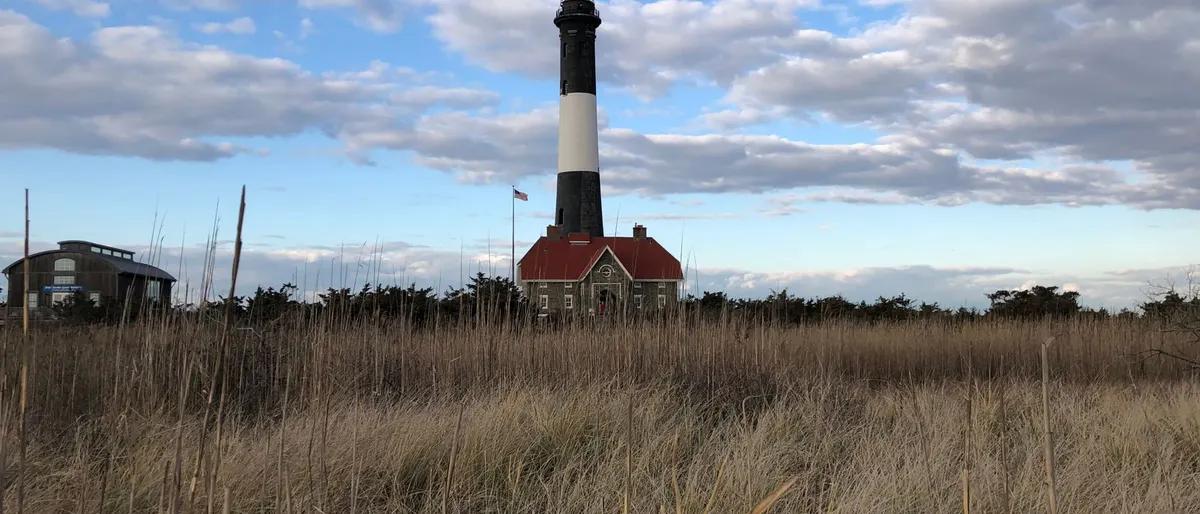
Cherry Grove, Fire Island: The Complete Gay Guide 2026
Cherry Grove is where gay America summered before there was a word for it. Here's the complete guide to Fire Island's original queer hamlet — its history, its drag-soaked nightlife, where to stay and eat, the beach, and how it differs from the Pines next door.

Fire Island Bear Weekend 2026: The Complete Guide to the Pines & Grove Bear Takeover
Every June, the bears take Fire Island. Here's the full Fire Island Bear Weekend guide — the five-day party lineup across Cherry Grove and the Pines, where to stay, how to get there, and what to know before you go.
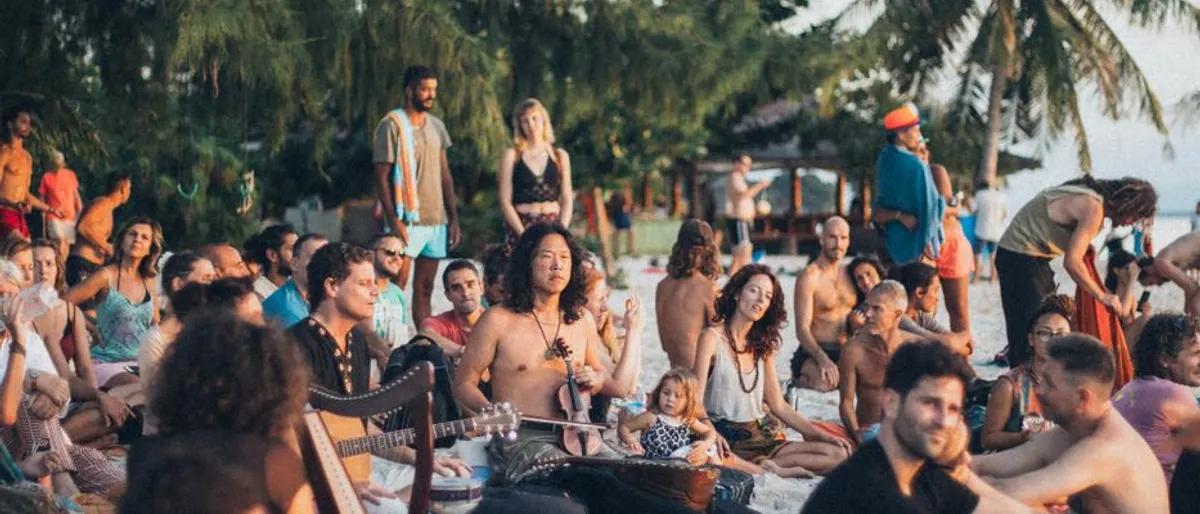
Fire Island Dance Festival 2026: The Guide to the Pines' Waterfront Dance Benefit
Once a summer, the Fire Island Pines turns its bayfront into an open-air stage for one of the dance world's most beloved benefits. Here's the full guide to the Fire Island Dance Festival — the 2026 lineup, the cause behind it, and how to be there.