LGBTQ+ Guide to Montreal 2026: Gay Village, Bars, Events & More

Everything a gay traveller needs in Montréal — the Village, the best bars and drag, saunas, Fierté Montréal, neighbourhoods, food, where to stay, and the queer history that shaped it all.
Get LGBTQ+ Travel Tips in Your Inbox
Join our newsletter for exclusive travel guides, local insights, and community updates. No spam, unsubscribe anytime.
Subscribe NowMontréal is one of the great queer cities of North America — bilingual, late-night, and home to one of the largest gay neighbourhoods on the planet. It pairs European-feeling streets and a serious food scene with a Village that pedestrianizes all summer and a nightlife that runs until the sun comes up. Add the biggest Pride in the French-speaking world, a legendary October circuit festival, and a deep history of LGBTQ+ activism, and you've got a city that rewards a long weekend or a full week.
The best part is how easy it all is. The metro is cheap and quick, the Village is walk-everywhere, and Montréal is one of the most openly queer cities anywhere — same-sex couples are completely unremarkable here. This is our complete local-friend's guide: where the scene lives, the best bars and drag, the saunas, the festivals worth planning a trip around, the neighbourhoods to explore, where to eat and sleep, and the practical details that make a Montréal trip effortless.
Montréal at a Glance
- The gayborhood: Le Village, along Rue Sainte-Catherine Est, centred on Beaudry metro (green line)
- Language: Bilingual (French first), very welcoming to English speakers
- Big events: Fierté Montréal (Pride) in early August; Black & Blue circuit festival in October
- Nightlife: Bars to 3 AM; after-hours clubs past noon
- Currency: Canadian dollars; cards and tap-to-pay everywhere
- Best time to visit: June–September for festival season and the pedestrian Village; September–October for warm days, fall colour, and lighter crowds
Pro Tip
If you only do one thing, walk the length of Sainte-Catherine Est on a summer evening. From roughly May to September the Village's main street is closed to cars and turned into one long terrasse-lined promenade — it's the best free show in the city.
The Gay Village: Le Village
Montréal's Gay Village — Le Village — is the beating heart of queer life in the city and one of the most concentrated gayborhoods in North America. It runs along Rue Sainte-Catherine Est in the Centre-Sud district, anchored by Beaudry metro station (whose exit is wrapped in rainbow colours), and stretches east toward Papineau. Bars, cabarets, saunas, cafés, restaurants, shops, and community spaces line the strip, and every summer the street is fully pedestrianized — cars out, terrasses and public art in, under the city's Aires Libres program.
For years the Village's visual signature was a canopy of suspended balls strung over the street — Claude Cormier's 18 Shades of Gay, pink at first and later rainbow. Those came down in 2019 (you'll still see them in older guides), and the city has rotated new summer art installations over the promenade since. The energy, the crowds, and the terrasses remain exactly as advertised.
The Village is also where you'll find the city's queer institutions: the drag stage of Cabaret Mado, the long-running saunas, the leather and bear bars, the feminist queer bookstore L'Euguélionne, and Priape, the iconic gay shop that's been a fixture since 1974.
Pro Tip
Beaudry is the metro stop for the heart of the Village; Papineau serves the eastern end. Both are on the green line (line 1). In summer you can simply surface at Beaudry and walk — everything is within a few blocks of the station.
A Short Queer History of Montréal
Montréal's Village didn't appear by accident — it was forged by decades of activism and resistance, and a few specific nights that changed the city.
Canada decriminalized homosexuality in 1969 — two years after then–justice minister Pierre Trudeau famously declared that "there's no place for the state in the bedrooms of the nation." But the raids didn't stop. In October 1977, police raided two downtown gay bars, Truxx and Le Mystique on Stanley Street, arresting 146 men. The public outrage that followed pushed Québec's National Assembly to amend its Human Rights Charter just weeks later — making Québec the first jurisdiction in Canada to ban discrimination based on sexual orientation.
A continued police crackdown on the downtown bars through the early 1980s — including a notorious 1984 raid on Bud's, on Stanley Street — combined with cheaper rents to the east, pushed the scene out of its old downtown core and into the area that became today's Village.
Then came the watershed. On July 15, 1990, police raided a loft party called Sex Garage and beat partygoers in the street. The response — 36 hours of protest and "kiss-ins" — politicized a generation of activists, helped launch the Divers/Cité Pride march in 1993, and set the stage for the modern movement. Often called Montréal's Stonewall, Sex Garage is the hinge between the old era and the city's confident, visible queer present.
That present includes nationwide marriage equality (legal across Canada since 2005) and Fierté Montréal, the festival that today draws three-quarters of a million people to the same streets where the fight once played out. The community is woven through the whole city now — anchored by the Village, but visible in the Plateau's queer-owned bars, Mile End's artists, and a year-round calendar of events.
Gay Bars & Nightlife
Montréal's nightlife is the densest in Canada, and almost all of it is walkable along Sainte-Catherine Est. A taste of what's waiting:
Complexe Sky is the Village's mega-complex — multiple dance floors, restaurants, and a rooftop terrasse with a pool and hot tub. It's the big-night-out anchor.

Le Stud, open since 1995, is the labyrinthine bear-and-leather favourite with a diverse crowd, nightly DJs, and two summer terrasses. Aigle Noir — the city's Black Eagle — is the old-school cruise bar next door in spirit.

For something mellower, Bar Le Cocktail runs the Village's legendary all-night karaoke, warm and inclusive and pure neighbourhood.

And when the bars close at 3 AM, the night isn't over: Stereo, the city's world-famous after-hours club, opens around 2 AM and runs past noon on weekends. It's the engine behind Montréal's late-night reputation.
For the full rundown — mega-clubs, drag bars, bear and leather rooms, strip clubs, queer women's nights, and after-hours — see our best gay bars in Montréal guide.
Explore Montréal's LGBTQ+ Scene
Find bars, drag shows, and events tonight, save your favourites, and connect with the community on Out x Out.
Drag, Cabaret & Burlesque
Montréal takes its drag seriously. The cornerstone is Cabaret Mado, the Village stage run by the legendary Mado Lamotte — nightly, bilingual, participatory shows that are the single most essential night out in the neighbourhood.

Just west of the Village on Boulevard Saint-Laurent — "the Main" — two more historic rooms keep the cabaret tradition alive: Café Cléopâtre, a gritty, beloved two-floor institution that's long hosted drag, burlesque, and trans and gender-nonconforming performers, and The Wiggle Room, a plush vintage burlesque-and-cabaret supper club. The newest addition is Le Club DD's, a queer-owned dance-and-performance space that opened in 2025 with drag, karaoke, and Sunday kikis. Between them you can build a whole night of Montréal cabaret, old and new.
Saunas & Bathhouses
Montréal has one of the most enduring bathhouse cultures in North America, and several spots run late into the morning. The best-known are Sauna Oasis — open around the clock in the heart of the Village — and G.I. Joe nearby, plus the century-old Bain Colonial just north by Sherbrooke metro. Hours stretch overnight on weekends; bring ID.
The Queer & Cultural Calendar
Montréal is a festival city, and several of its biggest draws are queer to the core. Plan a trip around one of these:
- Fierté Montréal (Pride) — early August. The crown jewel: 11 days, more than 750,000 attendees, and the largest 2SLGBTQIA+ gathering in the French-speaking world. In 2026 it runs July 31 to August 9, closing with a parade down René-Lévesque Boulevard and a free Mega T-Dance. Most of it is free. See our Montreal Pride 2026 guide for the full schedule.
- Black & Blue — October. One of the world's longest-running gay circuit festivals, staged each October around Canadian Thanksgiving by the BBCM Foundation since 1991, with proceeds supporting HIV/AIDS causes. Expect a weekend of massive dance events and themed balls (the Leather Ball and Military Ball among them), with the main floor in the Quartier des Spectacles.
- image+nation — November. Canada's first and longest-running LGBTQ film festival, founded in 1987, unspooling across Montréal cinemas in late November.
Beyond the queer calendar, Montréal's summer is wall-to-wall with the Jazz Festival, Just for Laughs, the fireworks competition, and Osheaga — so the whole city is in festival mode from late June through August. And the Village stays lively year-round, with drag, theme nights, and a warm indoor scene through the long winter.
Pro Tip
Montréal is busiest (and priciest) during festival season, so book accommodation early if you're visiting in summer — especially around Fierté in early August and the big July festival weekends, when Village and downtown rooms sell out first.
Beyond the Village: Neighbourhoods to Explore
The Village is home base, but Montréal's magic is in wandering its neighbourhoods. Most are walkable to one another or a quick metro ride apart.
- The Plateau-Mont-Royal — Just north of the Village, the Plateau is the city's most iconic residential quarter: triplex houses with curling wrought-iron staircases, leafy streets, the green expanse of Parc La Fontaine, and a buzzing café and bar scene along Mont-Royal Avenue and Saint-Denis. It's where you'll find queer-friendly spots like Bar Renard and the feminist queer bookstore L'Euguélionne.
- Mile End — North of the Plateau, Mile End is the artsy, indie heart of the city — mural-covered, café-dense, full of record shops and bakeries, and home to the legendary St-Viateur and Fairmount bagel ovens. Great for a slow morning.
- The Main (Boulevard Saint-Laurent) — The historic dividing line between east and west Montréal, lined with nightlife, restaurants, and the cabarets above. It hosts the open-air MURAL festival each June, so you can mural-hunt your way up it all summer.
- Old Montréal & the Old Port — Cobblestone streets, the soaring Notre-Dame Basilica, riverside paths, a floating spa, and a culinary renaissance. The most romantic part of the city to wander.
- Downtown — The hotel-dense, walkable core just west of the Village, with museums, shopping, the Quartier des Spectacles, and the climate-controlled Underground City (RÉSO) that keeps you moving in winter.
- Little Italy & Rosemont — North and east, home to the vast Jean-Talon Market and a string of queer-friendly haunts, including the bowling-bar Notre-Dame-des-Quilles.
Things to Do
Beyond the bars, Montréal packs a lot into a compact, walkable city:
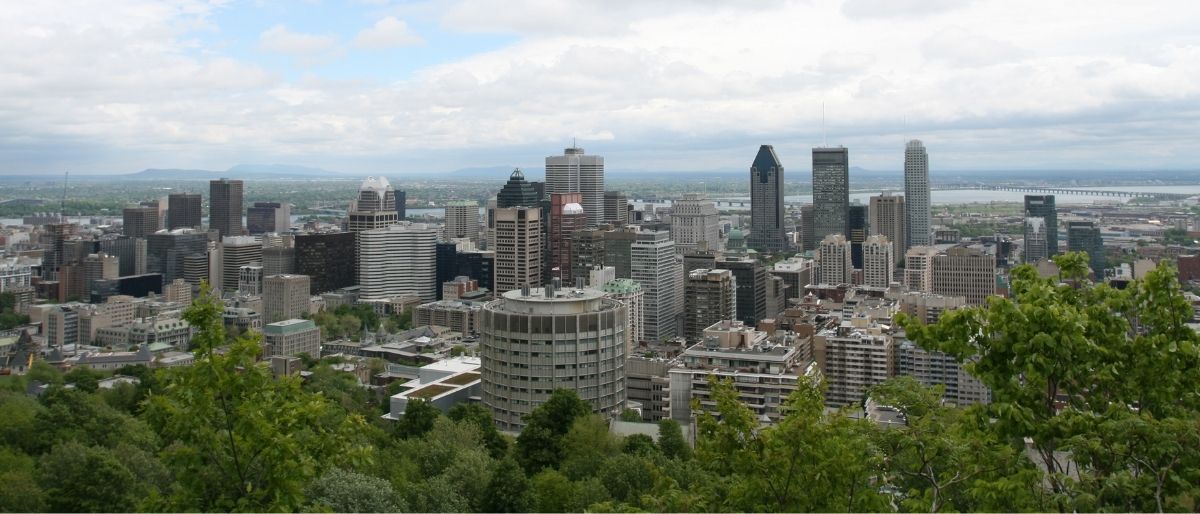
- Climb Mount Royal. The forested mountain at the city's centre — designed by Frederick Law Olmsted, the same landscape architect as New York's Central Park — has lookouts over the skyline and, on summer Sundays, the joyful drum-circle gathering known as the Tam-Tams.
- Wander Old Montréal and the Old Port. Tour the Notre-Dame Basilica, stroll the riverfront, rent a bike along the Lachine Canal, or soak at Bota Bota, the spa on a moored boat.
- Spend a day on Île Sainte-Hélène. Jean-Drapeau Park, in the river just off downtown, hosts the open-air Piknic Électronik dance afternoons all summer, plus the Biosphère and the La Ronde amusement park.
- Explore Space for Life. The Botanical Garden, Biodôme, Insectarium, and Planetarium cluster beside the Olympic Stadium in the east end — a full day, especially with kids or in bad weather.
- Hit the museums. The Montréal Museum of Fine Arts and the contemporary MAC anchor a strong arts scene downtown.
- Catch a view — or a light show. Ride up to the Mount Royal chalet lookout by day, or take in AURA, the immersive sound-and-light show inside the Notre-Dame Basilica, after dark.
- Embrace winter. Montréal doesn't hibernate — there's skating downtown and along the canal, the Igloofest outdoor electronic festival in January, and sugar-shack season come early spring.
- Do the Village by day. Coffee on a terrasse, a browse through Priape and L'Euguélionne, and the easy people-watching of the pedestrian street.
Pro Tip
Rent a BIXI. Montréal's bike-share network is everywhere, the city is flat and bike-friendly, and the riverside and canal paths are some of the prettiest urban cycling in the country — a great way to link the Village, Old Port, and the Plateau in an afternoon.
Where to Eat
Montréal is one of North America's best food cities, and a few things are non-negotiable:
- Bagels. Montréal-style bagels — smaller, denser, wood-fired, and a little sweet — are a religion. St-Viateur and Fairmount in Mile End are the rival temples; go to both and pick a side.
- Smoked meat. Schwartz's on the Main has been stacking hand-carved smoked-meat sandwiches since 1928. Expect a line; it's worth it.
- Poutine. Fries, cheese curds, and gravy — the Québécois classic, best enjoyed after last call.
- Markets. Jean-Talon Market in Little Italy and Atwater Market near the canal are food-lover afternoons — produce, cheese, cider, and Québec specialties.
- The new guard. Montréal's dining scene has had a genuine renaissance, from Old Montréal's design-forward rooms to the cult Little Burgundy institution Joe Beef. Book ahead for the marquee spots.
- The Village. Le Saloon and a string of terrasse restaurants line Sainte-Catherine for a meal in the middle of the scene.

Pro Tip
A classic Montréal day: a Mile End bagel for breakfast, a smoked-meat sandwich on the Main for lunch, and poutine after the bars. Pace yourself — and your cardiologist will understand.
A Queer Long Weekend in Montréal
Three days, no car, all the highlights:
- Day 1 — The Village. Settle in, coffee and people-watching on Sainte-Catherine, a browse through Priape, an early dinner on a terrasse at Le Saloon, then ease into the night: a show at Cabaret Mado, drinks at Le Stud, and the big floors at Complexe Sky.
- Day 2 — Neighbourhoods + a big night out. Bagels in Mile End, a wander through the Plateau and up Mount Royal for the lookout, an afternoon in Old Montréal, then dinner downtown and back to the Village — or out to Stereo if you've got the stamina.
- Day 3 — Slow and scenic. A leisurely drag brunch, a BIXI ride along the canal or an afternoon on Île Sainte-Hélène, and one last apéro on the pedestrian street before you go.
Day Trips from Montréal
If you've got an extra day, Montréal makes a great base for exploring Québec:
- Québec City — About three hours by train or bus, the walled old city is the most European corner of North America, and it has its own small, welcoming gay scene along Rue Saint-Jean in the Saint-Jean-Baptiste neighbourhood. Ideal for an overnight.
- The Laurentians — An hour or two north, this lake-and-mountain region is a four-season playground, with the gay-popular resort village of Mont-Tremblant at its heart — skiing in winter, hiking and lakes in summer.
- The Eastern Townships — Wine country, rolling hills, and lakeside spa towns like Magog and North Hatley, about 90 minutes southeast. Especially gorgeous during fall foliage.
Where to Stay
Where you base yourself shapes the trip. The Village puts you in the middle of the nightlife; downtown and the Main give you more hotels a short walk away; Old Montréal offers romantic boutique luxury; and the Plateau and Mile End are ideal for longer, local-feeling stays.
For specific picks by neighbourhood — plus booking timing for Fierté and festival season — see our gay-friendly Montréal hotels guide.
Getting Around & Practical Tips
- Metro. Montréal's metro (the STM) is clean, cheap, and the easiest way around. The green line runs straight through the Village (Beaudry, Papineau) and connects downtown, the Plateau's edges, and the Olympic Park. Grab a multi-day pass; note the metro stops around 1 AM, a little later on weekends.
- Bikes & walking. BIXI bike-share stations are everywhere, and the city is flat and eminently walkable — most visitors never need a car.
- From the airport. The 747 express bus runs 24/7 from Montréal-Trudeau (YUL) to downtown, where you transfer to the metro.
- Language. Montréal is bilingual and the Village is very welcoming to English speakers. A simple bonjour (or the local bonjour-hi) is plenty; staff switch to English happily.
- Money. Prices are in Canadian dollars — often a favourable exchange for US visitors. Cards and tap-to-pay are universal. Sales taxes (around 15%) are added at the till, and tipping runs 15–20%.
- Laws & safety. Canada has nationwide marriage equality and strong anti-discrimination protections. Montréal is one of the most openly queer cities anywhere; same-sex couples are entirely unremarkable here. Standard big-city common sense is all you need.
- Weather. Summers are warm and humid (high 70s–80s°F / mid-to-high 20s°C); autumn is crisp and beautiful; winters are cold and snowy, but the Village scene and the Underground City stay warm. Pack for the season — and a light layer for late nights on a terrasse.
Frequently Asked Questions
Where is the Gay Village in Montreal?
Le Village runs along Rue Sainte-Catherine Est in the Centre-Sud district, centred on Beaudry metro station on the green line (line 1). It stretches east toward Papineau, and in summer the main street is pedestrianized.
Is Montreal a good city for LGBTQ+ travellers?
Excellent. Montréal has one of the largest gay neighbourhoods in North America, the biggest Pride in the francophone world, a legendary October circuit festival, a deep activist history, and nationwide marriage equality. It's bilingual but very welcoming to English speakers, and the nightlife runs later than almost anywhere on the continent.
When is Montreal Pride 2026?
Fierté Montréal 2026 runs July 31 to August 9, with the parade on Sunday, August 9. See our Montreal Pride 2026 guide for the full schedule and logistics.
What's the biggest gay event in Montreal besides Pride?
Black & Blue, one of the world's longest-running gay circuit festivals, held each October around Canadian Thanksgiving since 1991 and raising funds for HIV/AIDS causes. Montréal also hosts image+nation, Canada's oldest LGBTQ film festival, every November.
What's the best time to visit gay Montreal?
June through September, when the Village street is pedestrianized and the city is mid-festival. Early August (Fierté) is the peak; September and October bring warm days, fall colour, lighter crowds, and the Black & Blue festival. Winter is cold but the indoor scene stays lively.
How late do bars stay open in Montreal?
Most bars serve until 3 AM — later than most of North America — and after-hours clubs like Stereo run past noon on weekends. The drinking age is 18.
Is Montreal safe for LGBTQ+ travellers?
Very. Montréal is one of the most openly queer cities in the world, and the Village is busy and well-trafficked late into the night. Canada has strong legal protections, and same-sex couples draw no second looks anywhere in the city. Normal big-city awareness is all you need.
Is Montreal expensive?
It's one of the better-value major cities in North America, especially for US visitors getting a favourable exchange on the Canadian dollar. Food, drinks, and transit are reasonable; hotels spike during festival season (early August above all), so book those early.
Do I need to speak French in Montreal?
No. Montréal is officially French-speaking, but it's deeply bilingual and the Village is used to visitors. A friendly bonjour goes a long way, and staff will happily switch to English.
How many days do you need in Montreal?
Three to four days is the sweet spot — enough for the Village and its nightlife, a couple of neighbourhoods, Mount Royal and Old Montréal, and the food. Add a day or two if you're visiting during Fierté or Black & Blue, or want a side trip to Québec City.
Is Montreal or Toronto better for gay travel?
They're different flavours of great. Montréal offers a denser, more concentrated Village, later nightlife, a European feel, and the biggest francophone Pride; Toronto has a larger overall scene and an enormous Pride of its own. Many travellers pair them — Toronto Pride in late June, Fierté in early August. See our LGBTQ+ guide to Toronto to compare.
Is cannabis legal in Montreal?
Yes — recreational cannabis is legal across Canada, sold in Québec through government SQDC stores. Note that the legal age in Québec is 21 (higher than most provinces), and public consumption is restricted, so check local rules before you light up.
Start Planning
Montréal rewards a proper visit — a Village base, a few late nights, a smoked-meat sandwich, and a wander through the neighbourhoods that built one of North America's great queer cities.
Build your trip with the rest of our Montréal guides: best gay bars in Montréal, Montreal Pride 2026, and gay-friendly hotels in Montréal. Heading to Toronto too? See our LGBTQ+ guide to Toronto.
Enjoyed this article?
Subscribe to our newsletter for more LGBTQ+ travel guides, local discoveries, and community stories delivered to your inbox.
Subscribe to Newsletter
Robbie S.
I'm Robbie, the founder of Out x Out. I'm from Minneapolis, though I'm spending 2026 building this community from the road — somewhere between South America and Asia. The idea for Out x Out came from a trip to Berlin, where the gay nightlife calendar was years ahead of ours: you could see not just where to go out, but which night to go — so naturally I wanted that kind of insider info for every city in the US (and beyond... eventually). I'm more of a behind-the-scenes type, but the whole point of this is connection: I'd take one real one over a hundred surface-level ones, and I'm trying to build that for the community, city by city.
Related Posts
Best Gay Bars & Clubs in Montreal 2026
Montréal's Village has the densest gay nightlife in Canada — mega-clubs, drag cabarets, bear bars, strip clubs and after-hours floors that run till noon. The best gay bars and clubs in the city.
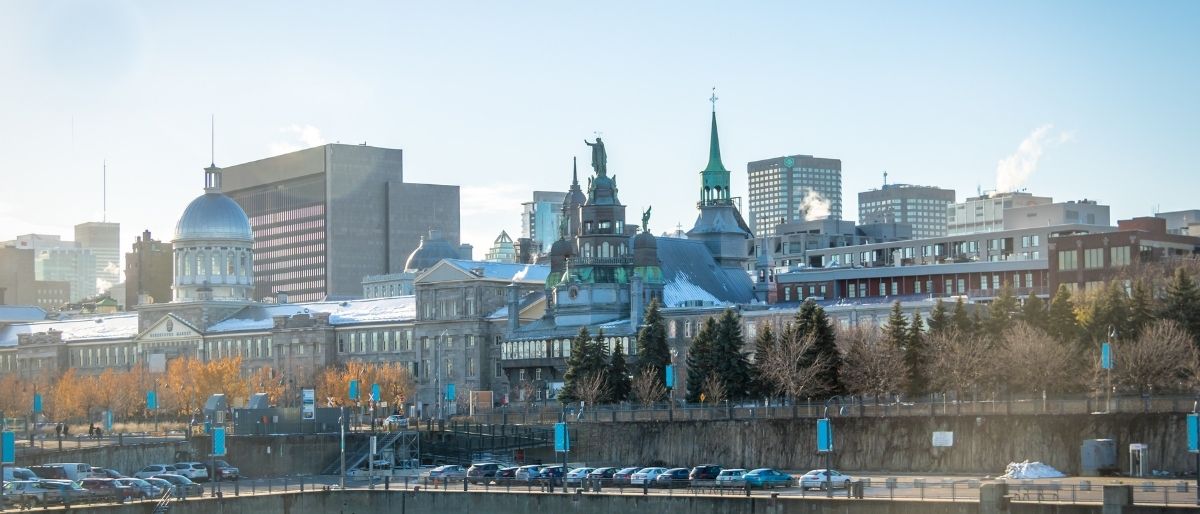
Gay-Friendly Hotels in Montreal 2026: Where to Stay Near the Village
Where to stay for Montréal's queer scene — walk-to-the-Village boutique hotels, Old Montréal luxury and Plateau apartment-style stays, with booking tips for Pride and festival season.
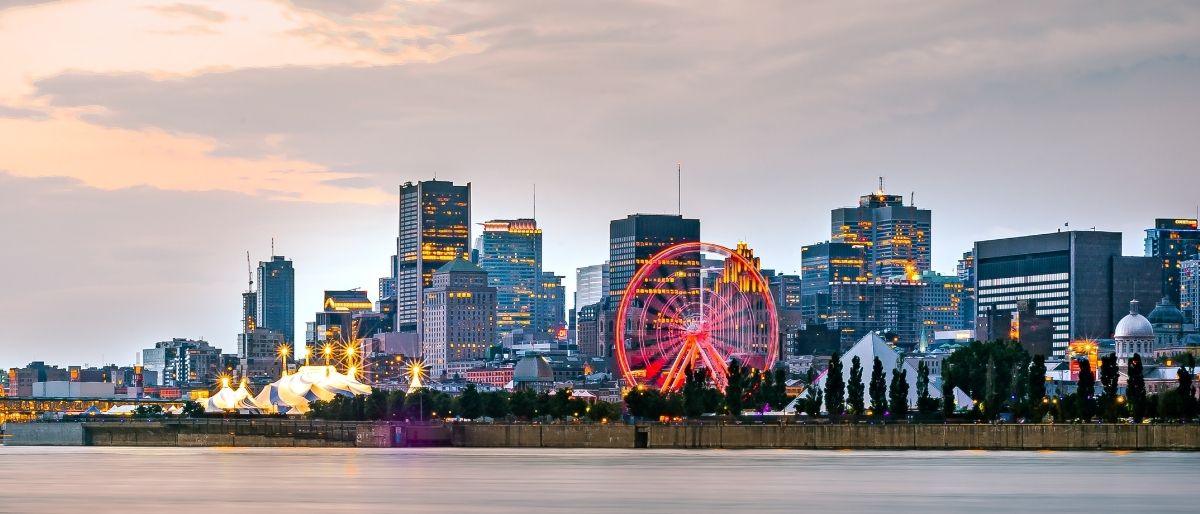
Montreal Pride 2026: The Complete Guide to Fierté Montréal
Fierté Montréal 2026 runs July 31–August 9, with the parade on Sunday, Aug 9. Here's everything to know: the Village, Community Days, best gay bars, after-hours and where to stay.