
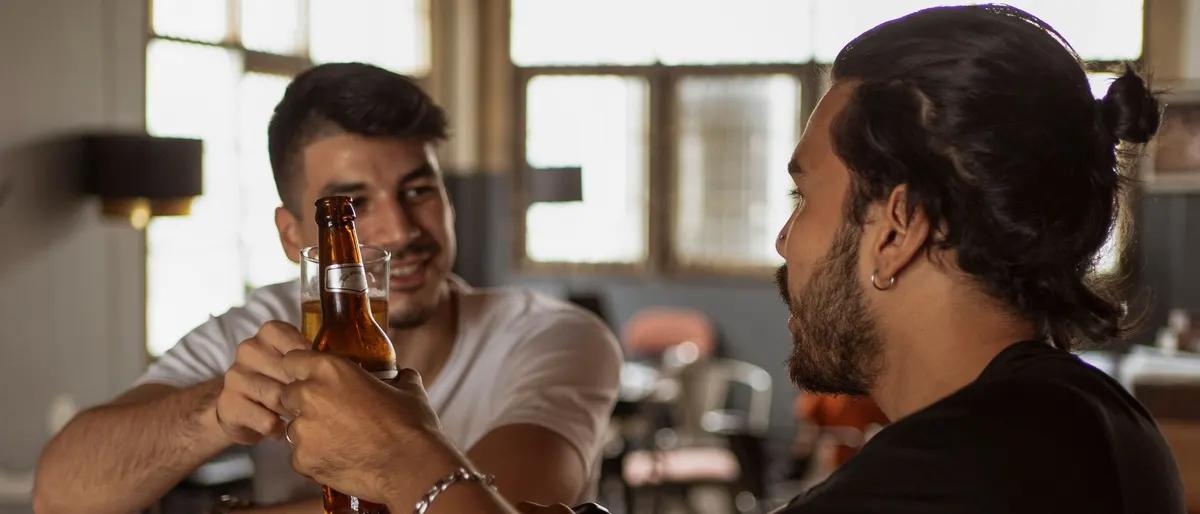
Types of Gay Bars Explained: Leather Bars, Bear Bars, Tea Dances, Piano Bars and More

Leather bar, bear bar, video bar, tea dance, piano bar, dive. Every type of gay bar explained: what it is, how it started, what a night looks like, and how to find one near you.
Get LGBTQ+ Travel Tips in Your Inbox
Join our newsletter for exclusive travel guides, local insights, and community updates. No spam, unsubscribe anytime.
Subscribe Now"Gay bar" is one phrase doing the work of a dozen. A leather bar on a Saturday night, a piano bar at 7pm, a Sunday tea dance on a deck in Provincetown, and a neighborhood dive with a jukebox are all gay bars, and they have almost nothing in common beyond the people. Walk into the wrong one expecting the right one and you'll have a confusing hour.
This is the glossary. For each type: what it actually is, how it got started, what a normal night looks like, the etiquette that's specific to that room, and where to find one. Every category below links to our directory pages, which list the bars of that type currently operating in each city. If you've never been to any gay bar, start with our first-timer's guide and come back here to choose your room.
The short version
- Neighborhood bar: the default. Mixed crowd, conversation, a weekly calendar. Start here.
- Leather bar: a bar built around leather and kink culture, with its own etiquette and dress-code nights. The first ones opened around 1960.
- Bear bar: for bigger, hairier, and generally more relaxed men and the people who like them. The Lone Star in San Francisco, open since 1989, is the model.
- Video bar: music videos on every screen, singalongs, an early-evening crowd. Chicago's Sidetrack, open since 1982, is the famous one.
- Piano bar: a pianist, show tunes, and a room that sings. About as un-intimidating as a gay bar gets.
- Tea dance: a Sunday afternoon dance party, not a bar. Born on Fire Island and in Provincetown, now a fixture in every resort town.
- Dive bar: cheap, old, unpretentious, and often the friendliest room in the city.
- Cruise bar: low light, a backroom or a darker corner, a crowd that came to meet someone rather than talk.
- Dance club: big room, DJ, cover charge, hours that start at midnight.
- Cabaret and show bar: a stage, a schedule of drag and live performance, tickets or a cover.
- Sports bar: gay sports bars exist and they are exactly what they sound like.
- Lesbian bar: a small, growing category of bars built around women and sapphic people.
- Country bar: line dancing, lessons, and one of the best first-visit nights in the scene.
The neighborhood gay bar
This is the backbone of every scene and the one most of the others grew out of. A neighborhood bar is a room where the regulars know the staff, the music is at a level you can talk over, there's a weekly schedule (trivia, bingo, karaoke, a drag show on one night), there may be food, and the crowd is mixed in age and in everything else.
What a night looks like: quiet and conversational on weeknights, fuller and louder from about 10pm on Fridays and Saturdays, with whatever's on the calendar as the anchor.
Etiquette: the same as any bar. Order, tip, don't block the bar, don't photograph strangers.
Where to find one: every launched city in the venue directory, or the city listicles below.
What is a leather bar?
A leather bar is a gay bar built around leather, kink, and fetish culture: the crowd, the decor, the event calendar, and the etiquette all reflect it. The core is a community that has been organized around leather since the years after World War II, with its own clubs, titles, and traditions. The bar is the community's public room.
History: the Gold Coast in Chicago, which Chuck Renslow and his partner Dom Orejudos ran from around 1960, is generally called one of the first bars created by and for the gay leather community in the US. Its Mr. Gold Coast contest, started in 1972, outgrew the bar and became International Mr. Leather in 1979. The "Eagle" name you'll see in dozens of cities isn't a chain; it's a tradition of independently owned leather bars that borrowed the name from the Eagle's Nest in New York, a longshoremen's tavern turned leather bar in 1970. Today you'll find leather bars in Chicago, New York, San Francisco, Los Angeles, Washington, DC, Fort Lauderdale, Palm Springs, Seattle, and Atlanta.
What a night looks like: on a weeknight, a lot like a dive bar with better lighting choices. Thursday through Saturday, the calendar takes over: gear nights, underwear nights, club nights hosted by a local leather or bear club, contests, beer busts on Sunday afternoons. Many leather bars have a patio, a pool table, and a darker back area; backrooms in the European sense are rare in US bars.
Etiquette: the norms are more explicit here than anywhere else in the scene, which is a feature. On a posted dress-code night, the code is enforced at the door: leather, rubber, uniform, jock, or whatever's listed, and "a black T-shirt" usually doesn't count. On other nights, wear what you'd wear to any bar. Don't touch anyone's gear, collar, or person without asking. Don't photograph. If you're new, say so; the leather community takes mentoring seriously and someone will walk you through the room. Our Chicago leather bar guide goes deeper on how these rooms work, and the big weekends (Mid-Atlantic Leather, IML, Folsom) are the community at full scale.
Pro Tip
The easiest first visit to a leather bar is a Sunday afternoon beer bust. It's daylight, it's cheap, it's a fundraiser for a local club or charity, the patio is open, and the crowd is at its most talkative. Save the gear night for your second trip.
What is a bear bar?
A bear bar is a gay bar whose crowd centers on bears: bigger, hairier, often older men, along with cubs, otters, chasers, and everyone who prefers that room's energy. The defining feature is less the body type than the attitude, which is relaxed, friendly, and unbothered by the gym-and-harness aesthetic of a dance club.
History: the bear community organized in San Francisco in the mid-1980s, with Bear Magazine launching in 1987. The Lone Star Saloon opened in June 1989 as a bar for working-class, blue-collar gay men and is widely credited as the first bear bar; in 2016 it became the first gay bar on San Francisco's Legacy Business Registry. Today you'll find dedicated bear bars, or bars with a bear-leaning crowd, in San Francisco, Chicago, New York, Los Angeles, Palm Springs, Fort Lauderdale, Provincetown, Seattle, and Atlanta.
What a night looks like: beer, flannel in winter, a patio in summer, a jukebox or a DJ playing something you can talk over, and a Sunday afternoon that's busier than most bars' Saturday. Bear bars overlap heavily with leather bars (many are both), and the bear weekends we cover, like Provincetown Bear Week, are built around them.
Etiquette: low-key. Compliments are common and welcome. Beer busts and "bear happy hours" are the regular events, and the crowd is famously easy to talk to. Our Chicago bear bar guide covers one city's version in detail.
What is a video bar?
A video bar plays music videos on screens throughout the room, usually in themed blocks (show tunes, 80s, divas, a single artist all night), and the crowd sings along. It's a bar and a watch party at the same time.
History: Chicago's Sidetrack opened on Halsted Street in April 1982 after its founders visited San Francisco's Midnight Sun, which was already showing videos; co-founder Pepe Peña spent two years building a video library before the doors opened. Sidetrack has since grown from one 800-square-foot storefront to nearly half a city block of connected rooms, and its Monday show-tunes singalong has run for more than 20 years. The format spread from there.
What a night looks like: early evening and sociable. The screens give everyone something to look at and the singalong gives strangers something to do together, which is why a video bar is one of the easiest first gay bar visits there is. Find Sidetrack and its neighbors on our Chicago gay bars guide; most big cities have at least one.
What is a piano bar?
A piano bar has a live pianist, a crowd that sings, and a songbook that runs heavily to musical theater, standards, and whatever the room shouts for. Gay piano bars are the closest living relative of the old supper-club scene and about the least intimidating gay bar you can walk into.
What a night looks like: a pianist from early evening, singers who may be professionals between gigs or regulars who have been doing this for 20 years, drinks, and a room that knows every word. Tip the pianist; there's a jar or a card reader on the piano, and the pianist is the show. New York's West Village has the famous ones, and most cities with a theater district have at least one. The cabaret listings in our directory include the piano rooms.
What is a tea dance?
A tea dance is a dance party held in the late afternoon, almost always on Sunday, usually outdoors or on a deck, that winds down by early evening. It's an event, not a venue, though a handful of bars are so identified with theirs that the two are inseparable.
History: the name is borrowed from the Victorian-era thé dansant, but the gay version was born on Fire Island in the 1950s and 60s. Until the mid-1960s, New York could pull a bar's liquor license for serving known gay patrons, so an afternoon dance outside the city with tea on the table was a way to gather without breaking the law. Provincetown picked it up in the 1970s, and the Boatslip's tea dance, on a deck over the harbor, became the version everyone else copies. Today every gay resort town runs one, from Provincetown and Fire Island to Palm Springs, Fort Lauderdale, Key West, and Rehoboth Beach. The Sunday closing party at most circuit weekends is also called a T-dance; our circuit party guide covers that version.
What it looks like: a DJ from about 4pm, a crowd in swimwear and shorts, daylight, a dance floor you can leave for a drink and a conversation, and a hard stop around 7 or 8pm, after which everyone goes to dinner. No tea is served. There's usually a small cover in resort season.
Etiquette: show up on time, because the good ones peak early and empty fast. Sunscreen. Cash for the cover. It's a social event first and a dance event second, so talking to strangers is the point.
Pro Tip
If you're visiting a resort town for a weekend, plan the trip around Sunday tea dance, not Saturday night. It's the event the whole town attends, it's the easiest place to meet people, and you'll have the rest of the evening free.
What is a gay dive bar?
A dive is an old, cheap, unpretentious bar that doesn't care what you think of the decor. In the gay scene, dives are often the longest-running bars in the city, the ones that survived the 1980s, and the ones where the regulars have been sitting on the same stools for 30 years.
What a night looks like: a jukebox, a pool table, strong cheap drinks, a bartender who runs the room, a drag show or karaoke on one night a week, and conversation. No cover, no dress code, no line.
Why go: dives are where the local scene actually lives, and they're one of the best rooms for a solo first visit, because a bar seat and a cheap beer are the whole admission price. Browse the dives in New York, Chicago, Los Angeles, San Francisco, New Orleans, Dallas, Philadelphia, Houston, Seattle, Atlanta, and Minneapolis.
What is a cruise bar?
A cruise bar is a gay bar where meeting someone, rather than talking to your friends, is the main reason people are there. Lower light, less seating, a layout that encourages walking the room, sometimes a darker back area or a patio that functions as one, and a crowd that's paying attention to the door.
What a night looks like: quiet early, busy late, and busiest after the other bars close. Many cruise bars are also leather bars, and the busiest nights are usually underwear, jock, or gear nights. In Europe, cruise bars often have a true darkroom; in the US that's rare, so the cruising happens in the open with the lights down.
Etiquette: eye contact is the language. Ask before touching, and read the answer. A "no" is complete. Phones away. If the bar has a dress code night, it applies to you. Cruise bars by city: New York, Chicago, San Francisco, Los Angeles, Fort Lauderdale, Palm Springs, Washington, DC, Dallas, and San Diego. If what you're really asking about is a bathhouse, that's a different room with different rules, covered in our bathhouse guide.
What is a gay dance club?
A dance club is a big room with a real sound system, a DJ, a cover charge, and hours that start when the bars are winding down. Some are gay every night; many are gay on specific nights, with a weekly or monthly promoter party.
What a night looks like: doors around 10pm, a dance floor that fills after midnight, a cover of $10 to $30, go-go dancers at the bigger ones, and last call at 2, 3, or 4am depending on the city. The promoter parties are the ones worth planning around; the same crews that run them run the big circuit weekends.
Etiquette: dress up a notch, bring ID even if you're clearly over 21, keep your drink with you, and tip the coat check. Find the clubs in New York, Los Angeles, Chicago, Miami, Atlanta, Dallas, Houston, Denver, Las Vegas, Boston, Philadelphia, Seattle, Portland, and Nashville.
What is a cabaret or show bar?
A cabaret or show bar has a stage and a schedule: drag shows, live singers, comedy, burlesque, and in a few cities a resident drag revue that's run for decades. Some charge a ticket, some a cover, and some are free with a two-drink minimum.
What a night looks like: showtimes are posted, seating is first-come or reserved, there's a host, and tipping the performers in cash during the number is expected and part of the fun. Our first drag show guide covers the etiquette in full, and the drag brunch guide covers the daytime version. Show bars by city: New York, Chicago, New Orleans, Provincetown, Key West, and Portland, with drag-forward bars listed for every city under drag.
What is a gay sports bar?
Exactly what it sounds like: screens, the game, wings, and a gay crowd. They're a real category in a handful of cities, usually anchored by the local LGBTQ+ sports leagues, and they fill up on game days and league nights the way any sports bar does. Find them in New York, Los Angeles, Washington, DC, San Diego, and Minneapolis.
What is a lesbian bar?
A lesbian bar is a bar built around women and sapphic people, after a long stretch in which the category nearly disappeared in the US. From an estimated 200 in the late 1980s, the count fell to roughly two dozen nationwide by 2020 and has been growing since, with the Lesbian Bar Project now counting around three dozen. Everyone is welcome at nearly all of them; the room is just built with women at the center. We track the ones currently operating in the best lesbian bars in the US guide, and the directory lists them for New York, Chicago, San Francisco, Oakland, and Milwaukee.
What is a gay country bar?
A country-western gay bar has line dancing, two-stepping, lessons on a weeknight, and a crowd that ranges from lifelong cowboys to people who bought boots last week. The lesson nights are one of the best first visits in the whole scene, because everyone in the room is a beginner at something and the instructor talks to you. Charlie's in Denver and Chicago and the Round-Up Saloon in Dallas are the best known; our gay rodeo guide covers the culture they grew out of.
How to tell which one you've walked into
A few tells, in the first thirty seconds:
- Screens everywhere playing videos, and people singing: video bar.
- A piano, and people singing: piano bar.
- Black walls, flags with stripes you don't recognize yet, a dress code posted at the door: leather bar.
- Flannel, beards, a patio, and the loudest laughing in the neighborhood: bear bar.
- Lights down, not much seating, people walking slow laps: cruise bar.
- A stage with a schedule next to it: show bar.
- Daylight, a deck, a DJ, and everyone in shorts: you found tea dance.
- A jukebox, a pool table, and a bartender who's clearly in charge: dive. Sit down.
Most gayborhoods have four or five of these within a few blocks, which is the whole point of a gayborhood. Our guide to the best gayborhoods in America maps them.
Which type should you go to first?
If you've never been to a gay bar: a neighborhood bar, a video bar, or a piano bar, on a weeknight, early. If you're visiting a resort town: Sunday tea dance. If you're a bear or into leather and you know it: a Sunday beer bust at the bear or leather bar. If you want to dance: the dance club's promoter night, but not as your very first visit.
The venue directory tags every bar by type so you can filter a city by leather, bears, dive bars, dance clubs, cabaret, karaoke, drag, and more, and the events calendar tells you what's on tonight. The gay bars near me page does the same for wherever you're standing.
Pick the room, then pick the night
Every type of gay bar in 100+ cities, tagged and searchable, with tonight's events, free on Out x Out.
Frequently asked questions
What is a leather bar?
A leather bar is a gay bar built around leather, kink, and fetish culture, with a crowd, calendar, and etiquette to match. One of the first, Chicago's Gold Coast, dates to around 1960. Newcomers are welcome; on posted dress-code nights the code is enforced, and on other nights you can wear what you'd wear anywhere.
What is a bear bar?
A bear bar is a gay bar whose crowd centers on bears, meaning bigger, hairier, generally more laid-back men and the people who like them. San Francisco's Lone Star Saloon, open since 1989, is widely credited as the first. Expect beer, a patio, Sunday afternoon beer busts, and some of the easiest conversation in the scene.
What is a tea dance?
A tea dance is a Sunday afternoon dance party, usually outdoors, that starts around 4pm and ends by early evening. It began on Fire Island in the 1950s and 60s, when New York bars could lose their license for serving gay customers, and Provincetown's Boatslip made it a resort-town institution. No tea is served.
What is a video bar?
A video bar plays music videos on screens throughout the room in themed blocks, with a crowd that sings along. Chicago's Sidetrack, open since 1982, is the best-known example. It's one of the easiest types of gay bar for a first visit because the screens and the singalong do the socializing for you.
What is a piano bar?
A piano bar is a bar with a live pianist and a crowd that sings, heavy on show tunes and standards. Tip the pianist, request a song, and sing if you want to. The ones in New York's West Village are the famous examples, and most cities with a theater district have at least one.
What is a cruise bar?
A cruise bar is a gay bar where meeting someone is the main purpose: low light, little seating, a layout for walking the room, and a late crowd. Ask before touching, and take no for an answer. Many cruise bars are also leather bars, and true darkrooms are rare in the US.
What is a gay dive bar?
A gay dive bar is an old, cheap, unpretentious bar, often one of the longest-running in its city, with a jukebox, a pool table, strong cheap drinks, and regulars who have held the same stools for decades. No cover, no dress code, no line, which makes it an easy solo first visit.
What is the difference between a gay bar and a gay club?
A bar is open early, conversational, and usually free to enter, with a weekly schedule of shows and events. A club is a big room with a DJ and a cover charge that fills after midnight and closes at 2am to 4am. Most cities have both within a few blocks of each other.
Can straight people go to leather bars, bear bars, or tea dances?
Yes, at nearly all of them, with the same awareness of whose room it is that applies at any gay bar. Leather bars enforce their dress codes on posted nights regardless of who you are, and a few cruise bars and events are promoted as men-only and say so on the door.
More guides
- First Time at a Gay Bar: What to Expect: the ground-floor guide, before you pick a type.
- Gay Leather Bars in Chicago: one city's leather scene, room by room.
- Gay Bear Bars in Chicago: the bear side of the same city.
- What Is a Circuit Party? A First-Timer's Guide: the dance-club category at festival scale.
- Best Lesbian Bars in the US: the ones currently operating, city by city.
- Gay Bathhouse Guide: What to Expect: the room that isn't a bar at all.
Enjoyed this article?
Subscribe to our newsletter for more LGBTQ+ travel guides, local discoveries, and community stories delivered to your inbox.
Subscribe to Newsletter
Robbie S.
I'm Robbie, the founder of Out x Out. I'm from Minneapolis, though I'm spending 2026 building this community from the road — somewhere between South America and Asia. The idea for Out x Out came from a trip to Berlin, where the gay nightlife calendar was years ahead of ours: you could see not just where to go out, but which night to go — so naturally I wanted that kind of insider info for every city in the US (and beyond... eventually). I'm more of a behind-the-scenes type, but the whole point of this is connection: I'd take one real one over a hundred surface-level ones, and I'm trying to build that for the community, city by city.
Related Posts
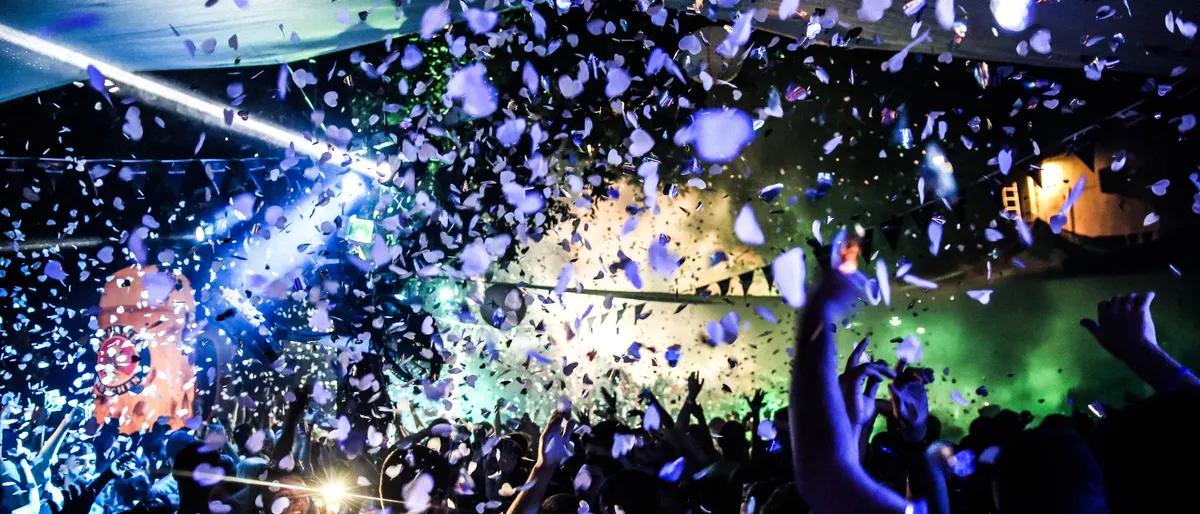
What Is a Circuit Party? A First-Timer's Guide to the Gay Circuit
Circuit parties are the big dance weekends on the gay calendar. Here's what they are, where the name came from, what actually happens, what to wear, and which one to pick first.
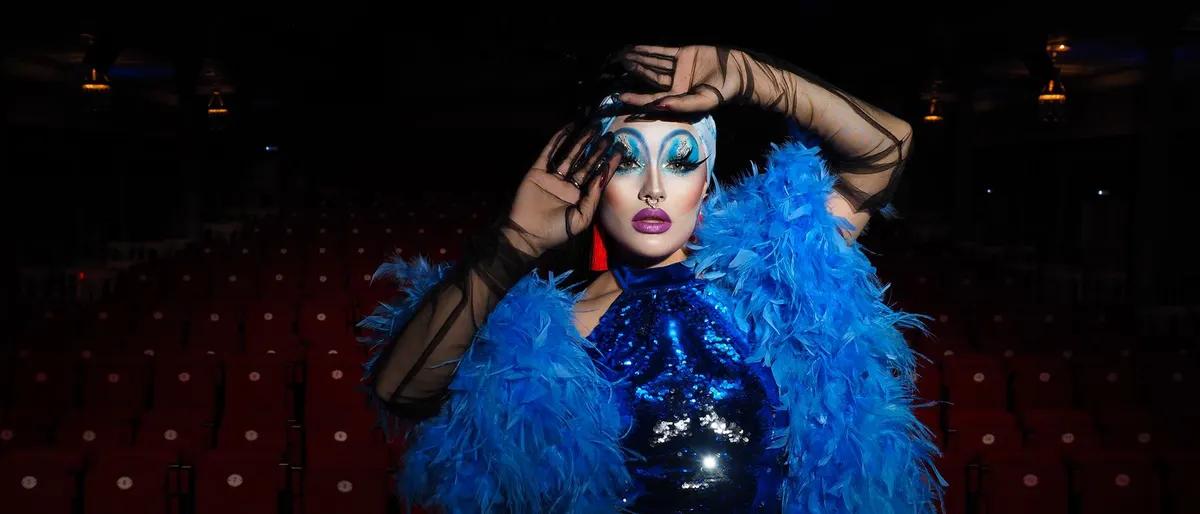
Your First Drag Show: What to Wear, How Much Cash to Bring, and Tipping Etiquette
The practical first-timer's guide to drag: what people actually wear, how much cash to bring, how to hand a tip to a queen without making it weird, and what the room expects of you.
First Time at a Gay Bar: What to Expect (and Why You Should Go)
A gay bar is a bar. Here's what actually happens on a normal night, why walking in alone is easier than you think, and how to pick the right one for your first time.