Part of the Gay Tulsa Guide — bars, events & things to do.

Saturday, October 10, 2026
Dennis R. Neill Equality Center, Tulsa
The circuit parties, afterhours and official events happening across Tulsa Pride Festival in Tulsa — dates, venues and tickets.
Live from our events calendar — updated daily.
Drag brunches, circuit nights & every party worth knowing in Tulsa — in your inbox every week.
Tulsa did something smart: it moved Pride out of the June furnace and into a gorgeous October Saturday. Tulsa Pride now closes down the heart of downtown for a parade and an all-day festival radiating out from the Dennis R. Neill Equality Center — the beating heart of Oklahoma's LGBTQ+ community — with a weekend of extras like the beloved Pride in the Park at Guthrie Green. It's the biggest queer celebration in Green Country, set against Tulsa's jaw-dropping Art Deco skyline.
This is your complete guide to Tulsa Pride 2026 — when and where the parade and festival happen, what the day looks like, where the city's gay bars are, and where to stay so you're walkable to it all. Whether it's your first Tulsa Pride or you've been coming for years, here's how to do the weekend right.
The October move — made in 2024 and now here to stay — was partly to beat Oklahoma's brutal summer heat, but also to align with LGBTQIA+ History Month and to catch the college students who are back in town by fall. The result is a Pride with better weather, bigger crowds, and a genuinely community-rooted feel.
The parade is the afternoon centerpiece. It steps off at 4:00 PM from the Boston Avenue Methodist Church — itself a national landmark and one of the finest Art Deco churches in America — and marches through the heart of downtown Tulsa before arriving at the Equality Center, where the festival is already in full swing.
Rolling a Pride parade past Tulsa's 1920s Deco towers is a genuinely striking sight, and the downtown route means great viewing from the sidewalks the whole way. Crowds are warm and family-friendly, and because the parade lands right at the festival, you can step off the curb and straight into the party.
Pro Tip
The parade steps off at 4 PM, but the festival runs all day from about 10 AM — so come downtown early, work the vendor booths and stages in the afternoon, then grab a curbside spot along the route before the parade rolls. You get the best of both without backtracking.
The festival is the all-day anchor, running roughly 10 AM to 10 PM in and around the Dennis R. Neill Equality Center at 621 E 4th Street. Expect the full Pride spread: rows of local vendors and makers, LGBTQ+ nonprofits and resource booths, food, a community stage with local performers, and headline entertainment as the day goes on.
The setting matters here. The Equality Center is the permanent home of Oklahomans for Equality, the organization that has anchored Tulsa's LGBTQ+ community for more than four decades — it's a year-round hub for programs, support groups, youth and senior services, a lending library, and the city's LGBTQ+ archives. That deep-rooted, community-center foundation is part of why Tulsa Pride feels less like a corporate festival and more like a neighborhood coming together. Holding the celebration on its doorstep isn't just logistics; it plants Pride at the literal center of Tulsa's queer community — and it's a reminder that this is a city where the LGBTQ+ community built its own institutions and has kept them running through decades of Oklahoma's political headwinds.
One of the best parts of Tulsa Pride weekend happens a few blocks north, in the Tulsa Arts District: Pride in the Park at Guthrie Green. Guthrie Green is a beautifully landscaped urban lawn — a former truck loading dock turned into one of Tulsa’s favorite gathering spaces — and Pride in the Park is a relaxed, family-and-dog-friendly evening of music and community on the grass that kicks off the whole weekend. In Tulsa Pride’s October era it lands on the Friday evening before Saturday’s parade and festival, and leashed pups are welcome — confirm the exact start time on the official schedule.
Pro Tip
The Arts District and the Blue Dome District are both walkable from the Equality Center, and they're where Tulsa's best restaurants and bars live. Build your day as a loop — festival at the Equality Center, Pride in the Park at Guthrie Green, dinner in the Blue Dome — and you'll barely need a car downtown.
Tulsa's queer nightlife punches above its weight, spread across a few downtown-adjacent districts — and Pride weekend is when it all comes alive at once.

Tulsa, Oklahoma

Tulsa, Oklahoma

Tulsa, Oklahoma
Tulsa, Oklahoma

Tulsa, Oklahoma
Club Majestic in the Downtown Arts District is the city's big gay dance club — the go-to for drag and DJs, and the natural after-dark home of Pride weekend. The Tulsa Eagle in the Pearl District flies the leather-and-bear flag, YBR Pub (Yellow Brick Road) is the friendly Midtown neighborhood bar, The Starlite brings the party along the historic Route 66 corridor on 11th Street, and The Max Retropub anchors the buzzy Blue Dome District with throwback fun. Everything's a short rideshare apart, so bar-hop freely.
Pro Tip
Tulsa's gay bars aren't all on one block — Club Majestic (Arts District), The Max (Blue Dome), and the Tulsa Eagle (Pearl District) sit in different pockets around downtown. Line up rideshares between them rather than trying to walk it, and you'll cover a lot more ground.
Part of what makes Tulsa Pride special is where it happens. Downtown Tulsa is one of the great under-the-radar architecture cities in America, and the districts around the festival are worth exploring on their own.
The Deco District is the reason: flush with oil money in the 1920s, Tulsa built a downtown packed with Art Deco masterpieces, and it still has one of the finest concentrations of the style in the country — the Boston Avenue Methodist Church (where the parade begins), the Philcade and Philtower buildings, and more. The Tulsa Arts District to the north is the cultural heart, home to Guthrie Green, the legendary Cain's Ballroom, and both the Woody Guthrie Center and the Bob Dylan Center. And the Blue Dome District — named for a distinctive 1924 blue-domed former gas station — is the compact nightlife-and-restaurant quarter where a lot of Pride weekend's eating and drinking happens.
For a deeper, essential piece of Tulsa, walk north to the Greenwood District — once known as "Black Wall Street," the site of the 1921 Tulsa Race Massacre. The Greenwood Rising history center tells that story powerfully, and it's a meaningful stop on any Tulsa visit.
Downtown Tulsa eats well, and most of it is walkable from the festival. The Blue Dome District and the Tulsa Arts District are stacked with restaurants, coffee shops, and bars within a few blocks of the Equality Center and Guthrie Green — from casual counter spots to date-night dinners. Leave time to graze between the festival and Pride in the Park; you won't have to go far.
The move is to stay downtown so you can walk to the festival, the parade route, Guthrie Green, and the Blue Dome nightlife. Here are the best-placed options.
All three of these put you in or beside the districts where Pride weekend happens.
Downtown, the Pearl District, and Midtown all have rentals that work well for a group — aim for anything within walking distance of downtown so you're close to the festival and the Blue Dome bars. Book early; Pride weekend is popular.
Flying in: Tulsa International Airport (TUL) is about a 15-minute drive from downtown, with nonstop service from a solid list of US cities. Rideshares and taxis are easy from the terminal.
Driving in: Tulsa is a comfortable drive across the region — roughly 1.5 hours from Oklahoma City, about 4 from Kansas City, and around 4 from Dallas — and it sits right on historic Route 66, which runs through the city.
Getting around: The festival, parade route, Equality Center, and Guthrie Green are all downtown and walkable from one another. For the gay bars in the Pearl District, Midtown, and along Route 66, use rideshares — they're quick and cheap.
Pro Tip
October in Tulsa is close to ideal — daytime highs often in the low 70s°F and crisp, comfortable evenings — but bring a light layer for the after-dark hours of the festival and the walk to the bars. It's a big reason the October move has been such a hit.
Tulsa rewards an extra day. A few easy add-ons around Pride weekend:
Between the Deco architecture, the music history, the parks, and one of the friendliest Prides in the region, Tulsa makes a genuinely fun long weekend — and October is the best time of year to see the city.
Tulsa Pride is expected on Saturday, October 10, 2026, following its second-Saturday-of-October pattern (2025 fell on Oct 11). Oklahomans for Equality confirms the full schedule closer to the event, and we'll update this guide as soon as it's official. Note that a separate, smaller "Pride at Elote" street event happens downtown in June — the main Tulsa Pride festival and parade is the October celebration.
The festival is centered on the Dennis R. Neill Equality Center at 621 E 4th Street in downtown Tulsa. The parade steps off from Boston Avenue Methodist Church at 4 PM and marches through downtown to the Equality Center. Pride in the Park is held separately at Guthrie Green in the Tulsa Arts District.
Yes — the festival and the parade are free and open to everyone. Bring cash for vendors and food. Some individual weekend events or after-parties may have their own cover or ticket price.
Oklahomans for Equality moved Tulsa Pride from June to October starting in 2024 — to escape Oklahoma's extreme summer heat, to align with LGBTQIA+ History Month, and to catch the college students who are back in town in the fall. The change stuck, and October Pride is now the tradition.
It’s a relaxed, family- and dog-friendly event that kicks off Tulsa Pride weekend on the Friday evening before Saturday’s parade and festival, held on the lawn at Guthrie Green in the Tulsa Arts District — music, community, and vendors in one of downtown’s favorite green spaces. Leashed dogs are welcome, which isn’t the case at every Pride event.
Tulsa's gay bars are spread around downtown and Midtown: Club Majestic (Downtown Arts District) is the main dance club, the Tulsa Eagle (Pearl District) is the leather-and-bear bar, YBR Pub (Midtown), The Starlite (Route 66 / 11th Street), and The Max Retropub (Blue Dome District) round out the scene. Plan on rideshares between them.
Stay downtown to be walkable to the festival, parade, and Guthrie Green. The Mayo Hotel is the historic showpiece, the Hyatt Regency Tulsa Downtown is the full-service pick in the heart of downtown, and Hotel Indigo Tulsa Downtown puts you right in the Blue Dome nightlife district.
October is exactly why Tulsa moved Pride to the fall. Daytime highs are typically in the comfortable low 70s°F, with crisp, cool evenings — a world away from the 100-degree Junes that used to test everyone's stamina. Bring a light jacket for the after-dark hours of the festival and the walk between bars, and you'll be set for a full day and night outdoors.
Let people know you're going, see who else is attending, and share the event with friends.
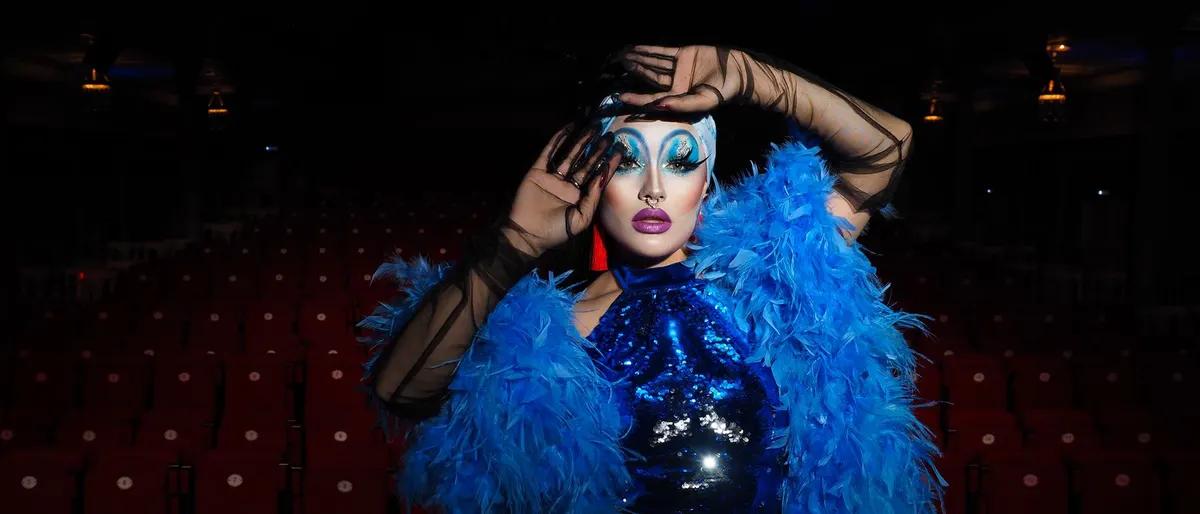
The practical first-timer's guide to drag: what people actually wear, how much cash to bring, how to hand a tip to a queen without making it weird, and what the room expects of you.
 Robbie S.
A gay bar is a bar. Here's what actually happens on a normal night, why walking in alone is easier than you think, and how to pick the right one for your first time.
Robbie S.
A calm, practical answer to every question first-timers actually have about gay bathhouses — how check-in works, the unwritten rules, what things cost, and why almost everyone there came alone.
Robbie S.
The rainbow flag has meant something specific since 1978 — one word per stripe, assigned by the man who dyed the first one. What every color means, why two stripes are gone, and all the other flags.
Robbie S.
Drag is an art form, not an identity, and what people assume about it is off. Here's what a drag queen actually is, where drag came from, what the job pays, and how the illusion gets built.
Robbie S.


