Part of the Gay Montreal Guide — bars, events & things to do.

Friday, August 7, 2026
Le Village & downtown Montréal
Rue Sainte-Catherine Est, Montréal, QCDrag brunches, circuit nights & every party worth knowing in Montreal — in your inbox every week.
For 11 days every summer, Montréal turns its east-end Village into the biggest 2SLGBTQIA+ party in the French-speaking world. Fierté Montréal 2026 runs July 31 to August 9 — some 750,000 people across the festival — and caps it off with a parade down René-Lévesque Boulevard. It's free, it's bilingual, and the nightlife runs later than just about anywhere else in North America.
This is your local-friend's guide to the whole thing — the parade route and where to actually stand, the free shows, the Village's legendary bars, the after-hours scene that doesn't quit until noon, and the practical stuff (metro, money, weather) that the glossy listicles skip.
Pro Tip
Pride weekend overlaps the back half of Montréal's festival summer, so the city is busy and hotels move fast. If you want to stay in or beside the Village, book by late spring — Pride Sunday is the single hardest night of the year to find a room downtown.
Fierté Montréal spreads across 11 days, from Friday, July 31 to Sunday, August 9, 2026 — far longer than a typical Pride weekend. That's the whole point: instead of cramming everything into 48 hours, Montréal gives you a week and a half of free outdoor concerts, drag, films, talks, sports tournaments, and parties, building to the parade on the final Sunday.
A rough shape of the 11 days:
Montréal has hosted a Pride march since the 1970s, but the modern festival dates to 2007, when the non-profit Fierté Montréal took over the parade after the older Divers/Cité organization stepped back to focus on its cultural festival. Today it's grown into the largest 2SLGBTQIA+ gathering in the francophone world, with crowds north of 750,000 over the festival.
Pro Tip
A note of honesty the brochures gloss over: in 2022 the parade was cancelled just hours before it started, over a shortage of trained security volunteers. Hundreds of people marched the route anyway. The festival rebuilt its operations afterward and the parade has run smoothly since — but it's a reminder to confirm parade details on the official site in the final week.
The défilé de la Fierté is the centrepiece — Sunday, August 9 at 1:00 PM. The roughly 2.1-kilometre route runs along René-Lévesque Boulevard, starting in the west near Metcalfe Street (symbolically, the city's former gay district downtown) and marching east to finish at the edge of the current Village, around Atateken Street.
That west-to-east path is deliberate: it traces the community's migration across the city over decades, ending where the Village stands today. Floats, community groups, sports leagues, drag performers, and political contingents fill the boulevard for hours.
Where to stand:
Pro Tip
René-Lévesque is a broad boulevard with almost no shade. Stake out a spot on the north side for afternoon shade as the sun swings west, bring water and sunscreen, and arrive by noon for the finish-line stretch — it fills first.
Plan Your Pride Weekend in Montréal
Browse every Village bar, drag show, and Pride event on the Out x Out app — save the spots you want to hit and find what's on each night.
If the parade is the spectacle, Community Days are the soul. On Friday, August 7 and Saturday, August 8 from 11:00 AM, the pedestrianized stretch of Sainte-Catherine Est — between roughly Saint-Hubert and Papineau — fills with kiosks from hundreds of 2SLGBTQIA+ organizations, charities, sports teams, health groups, and community projects.
It's part street fair, part resource expo, part block party. You can sign up for a queer sports league, learn about local health services, grab merch from grassroots groups, and watch performances on the outdoor stages — all for free, all in the open air. For first-time visitors it's the best way to feel the actual community behind the festival, not just the nightlife.
Most of Fierté Montréal's programming is free and outdoor, anchored by the Loto-Québec Stage at the corner of Sainte-Catherine Est and Avenue Papineau. Through the festival it comes alive most evenings from around 7:00 PM with drag spectaculars, concerts, DJ sets, and variety nights — think the opening-night drag blowout, high-heel races, and themed dance evenings.
Beyond the main stage, programming spills into nearby festival sites and venues around the Village and the Quartier des Spectacles, with indoor concerts and shows at rooms like Le National and Club Soda, plus films, literary events, and panels woven through the week. Past editions have featured headline performers spanning drag royalty, Indigenous and francophone artists, and international DJs.
Pro Tip
The full 2026 lineup and stage schedule drop closer to the festival on [fiertemontreal.com](https://fiertemontreal.com/en/festival/events). Headliners and set times shift year to year, so check the official program in late July to build your nights — then use Out x Out to fill the gaps between sets with nearby bars.
Montréal's Gay Village (Le Village) is one of the largest and most concentrated gay neighbourhoods on the planet, strung along Rue Sainte-Catherine Est and centred on Beaudry metro station (green line — line 1, toward Honoré-Beaugrand). Every summer the street is closed to cars and fully pedestrianized, so the bars, cafés, and restaurants spill out onto terrasses and the whole strip becomes one long open-air promenade.
For years the Village's visual signature was the canopy of suspended balls — Claude Cormier's 18 Shades of Gay installation, pink at first and later rainbow — strung over Sainte-Catherine. Those came down in 2019 (you'll still see them in older guides that haven't updated), and the city has rotated new summer public-art canopies and installations over the pedestrian street since. The terrasses, the energy, and the crowd, though, are exactly as advertised.
Pro Tip
The Village stretches a fair way along Sainte-Catherine, so get off at Beaudry for the bar-dense core, or Papineau (also green line) if you're heading to the Loto-Québec Stage end. Both put you right on the pedestrian strip.
The Village's nightlife is the densest in Canada, and during Pride it runs flat out. A few essentials:

Montreal, Québec

Montreal, Québec

Montreal, Québec

Montreal, Québec

Montreal, Québec

Montreal, Québec

Montreal, Québec
Complexe Sky is the Village's mega-complex — multiple floors of dancing, drag, and pop, topped by a rooftop terrasse with a pool and hot tub that becomes party-central on hot Pride afternoons. It runs an extended licence during Pride week, so it goes very late.
Cabaret Mado is Montréal's legendary drag institution, helmed by the iconic Mado Lamotte. Bilingual, hilarious, and packed during Pride — this is the city's drag heartbeat and a must even if your French is limited.
Club Unity is a long-running multi-level dance club with a beloved rooftop terrasse — a reliable late-night dance floor that draws a young, mixed crowd all weekend.
Le Stud is the classic bear-and-leather-leaning bar with a big patio — friendly, busy, and a great first-drink-of-the-night spot before things ramp up.
Bar Le Cocktail is the karaoke-and-drag neighbourhood favourite — campy, warm, and pure Village. Le Date is its low-key cousin, a piano-and-karaoke local that's all regulars and sing-alongs. And Aigle Noir is the cruise/leather bar for a more after-dark crowd.
Pro Tip
Montréal bars rarely card hard but the legal drinking age is 18, and last call at most regular bars is 3:00 AM — already later than most of the continent. Tipping runs ~15% like the rest of Canada. Tap-to-pay is universal; you'll barely touch cash.
Here's where Montréal genuinely separates itself: when most cities are closing, the Village is just shifting gears.
Stereo is the city’s world-famous after-hours temple, with a sound system that’s a pilgrimage in its own right. It opens around 2:00 AM and runs deep into the next day — on Pride weekend, well past noon. No alcohol after legal hours; this is about the music and the floor.
The festival's official closer is the Mega T-Dance on Pride Sunday (August 9) — a free dance party billed as the city's largest outdoor dance floor, running from the afternoon into the evening. In recent editions it's moved out to the Esplanade of Olympic Park (its own festival hub, a short green-line ride east), so confirm the 2026 site on the official program before you head over. From there, the after-hours floors take the baton.
Pro Tip
After-hours in Montréal means *after-hours* — Stereo doesn't really peak until the sun's up. Pace your Saturday and Sunday nights, hydrate, and treat the Mega T-Dance as the warm-up, not the finale.
You've got three smart zones, depending on your vibe:
Pro Tip
Pride Sunday is the toughest night of the year for downtown rooms. If you're set on the Village or downtown, lock in lodging by late spring. Flexible on neighbourhood? The Plateau and Mile End often have rooms (and better value) when the core sells out.
Find Every Montréal Pride Event
From the parade to the late-night floors, Out x Out maps the whole Village so you never miss a show. Download the app and build your Pride weekend.
Fierté Montréal 2026 runs from Friday, July 31 to Sunday, August 9, 2026 — 11 days. The Pride parade is on the final Sunday, August 9, starting at 1:00 PM along René-Lévesque Boulevard.
Yes. Fierté Montréal is a free, largely outdoor festival — the parade, Community Days, and the nightly shows at the Loto-Québec Stage cost nothing. You'll only pay for drinks, food, and any ticketed indoor parties or club cover charges.
The parade runs about 2.1 km along René-Lévesque Boulevard, starting near Metcalfe Street in the west (the city's former downtown gay district) and finishing near Atateken Street at the edge of the current Village in the east. It steps off Sunday, August 9 at 1:00 PM.
Beaudry station on the green line (line 1, toward Honoré-Beaugrand) is the heart of the Village. Papineau, also on the green line, serves the eastern end near the Loto-Québec Stage. For the Mega T-Dance at Olympic Park, take the green line east to Viau or Pie-IX.
Most regular bars serve until 3:00 AM — later than most of North America. After-hours clubs like Stereo open around 2:00 AM and run well into the next day, especially on Pride weekend.
Stay in the Village to be inside the party (book earliest — it sells out fast), downtown/Quartier des Spectacles for the most hotel availability one metro stop away, or the trendy Plateau-Mont-Royal for a charming, slightly quieter base a short ride north.
Very. It's bilingual and welcoming to English speakers, the festival is free and spread over 11 days (so it's less overwhelming than a single weekend), and the entire Village is pedestrianized — easy to explore on foot with no driving required.
Making a season of it? Toronto Pride lands in late June and Fierté caps things off in early August — a natural one-two for a summer of Canadian Pride. Start with our Toronto Pride 2026 guide and our LGBTQ+ guide to Toronto, then come east for Montréal.
Whatever your plan, Montréal in early August is hard to beat — a pedestrian Village, the latest nightlife on the continent, and the biggest queer party in the French-speaking world. Bonne Fierté.
Going all-in on Canadian Pride? Vancouver Pride takes over the West Coast on the August long weekend.
Let people know you're going, see who else is attending, and share the event with friends.
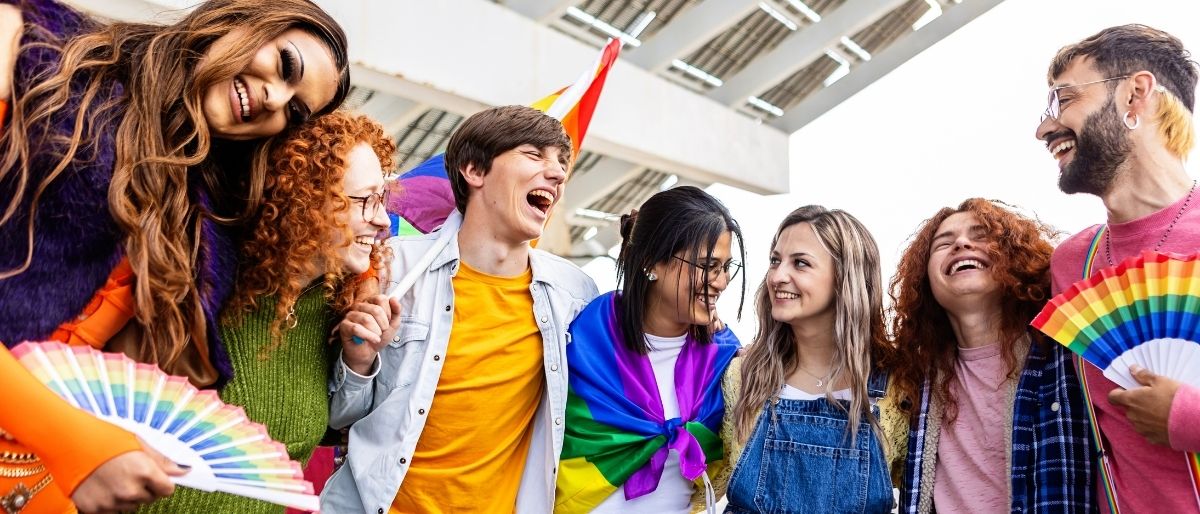
August is summer's grand finale: WorldPride in Amsterdam, Chicago's Market Days, Provincetown Carnival, and the last big beach weekends. Here are the best gay events in August.
 Robbie S.
July is Pride's second wave: beach weekends, Bear Week, leather street fairs, and late-summer Prides from San Diego to Portland. Here are the best gay events to plan your July travel around.
Robbie S.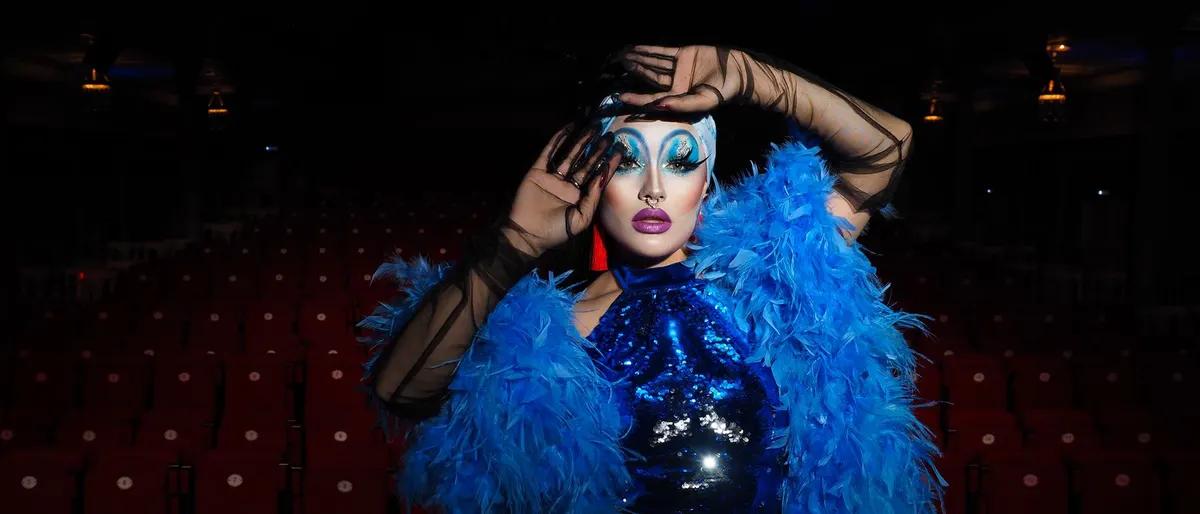
The practical first-timer's guide to drag: what people actually wear, how much cash to bring, how to hand a tip to a queen without making it weird, and what the room expects of you.
Robbie S.
A gay bar is a bar. Here's what actually happens on a normal night, why walking in alone is easier than you think, and how to pick the right one for your first time.
Robbie S.
A calm, practical answer to every question first-timers actually have about gay bathhouses — how check-in works, the unwritten rules, what things cost, and why almost everyone there came alone.
Robbie S.
The rainbow flag has meant something specific since 1978 — one word per stripe, assigned by the man who dyed the first one. What every color means, why two stripes are gone, and all the other flags.
Robbie S.


