Gay Boystown (Northalsted), Chicago: The Local's Neighborhood Guide

A local's guide to gay Boystown — Chicago's historic Northalsted gayborhood: its history, the Halsted Street bar strip, Market Days and the Legacy Walk, where to eat, and the rest of the city's gay scene worth a trip.

ChicagoGay Events
Drag brunches, circuit nights & every party worth knowing in Chicago — in your inbox every week.
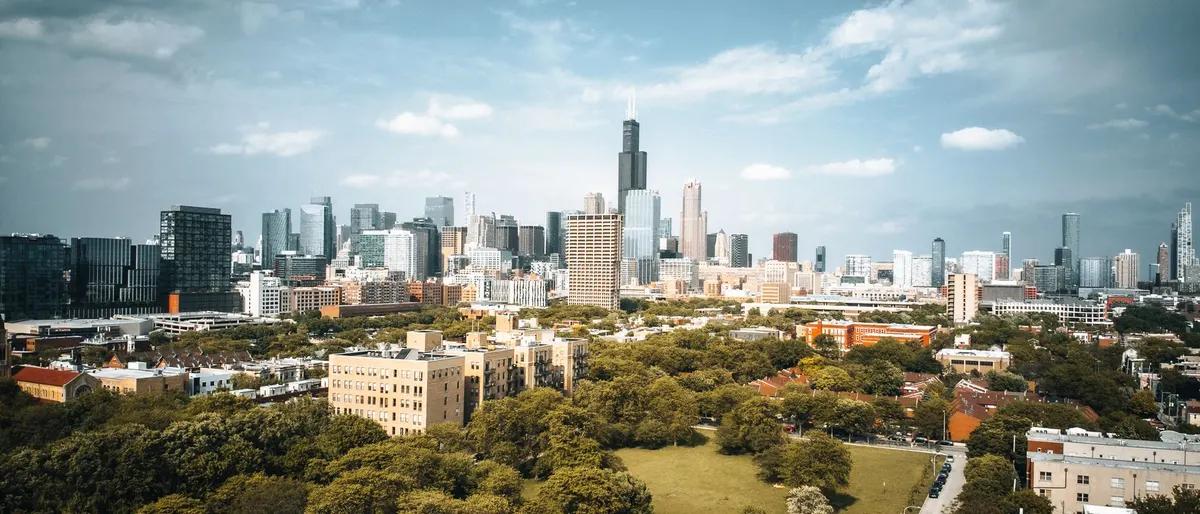
If Chicago has a gay front door, it's here. Boystown — officially Northalsted since 2020 — is the half-mile of North Halsted Street in Lakeview where the city's LGBTQ+ nightlife, history, and summer street festivals have been rooted for decades. It's rainbow pylons and a Legacy Walk on the sidewalk, a bar on nearly every corner, and the Belmont "L" dropping you right into the middle of it.
This is your local's guide to gay Boystown: how the neighborhood got here, the bars that line the strip, the rest of the Chicago scene worth a trip, and how to eat, get around, and make a weekend of it. For the bar-by-bar rankings, we've got a separate Top 16 gay bars in Northalsted rundown; this post is the neighborhood itself.
Boystown or Northalsted? A Quick History
Boystown grew up as Chicago's gay village through the 1970s and '80s, as LGBTQ+ residents and businesses clustered along North Halsted in Lakeview. In 1998 the city installed a run of rainbow-ringed pylons up and down the strip — a permanent, public marker of the district that's widely cited as the first time an American city formally recognized a gay neighborhood. Those pylons are still there, and they do double duty: since 2012 they've anchored the Legacy Walk, an outdoor museum of bronze plaques honoring LGBTQ+ figures and history, embedded right in the streetscape.
The "Boystown" nickname stuck for a generation, but in 2020 the Northalsted Business Alliance retired it as the official brand after community conversations about whether a "boys"-centered name reflected the whole LGBTQ+ community. The neighborhood is now officially Northalsted — though you'll still hear locals and visitors use both, often in the same sentence. Either way, it's the same strip.
Halsted's transformation tracked the broader arc of gay Chicago. Through the 1970s and '80s the strip filled with bars, bookstores, and community groups; through the AIDS crisis it became a center of activism, care, and memorial; and by the 2000s it was established enough that the city and the Northalsted Business Alliance leaned into it as a destination — adding the pylons, the Legacy Walk, and year-round programming. The result is a neighborhood where the nightlife sits on top of real institutional history: a community center, a memorial walk, and decades of Pride, all on the same half-mile.
What sets Northalsted apart from Chicago's other gayborhood, Andersonville, is energy and scale. Andersonville, four miles north, is the quieter, more residential, date-night-and-brunch counterpart — long nicknamed "Girlstown" for its strong queer-women community. Boystown is the nightlife capital: dense, loud, late, and built for going out. The shorthand a lot of locals use is that you live in Andersonville and you go out in Boystown — and plenty of people do both.
Pro Tip
The rainbow pylons aren't just decoration — each pair frames a Legacy Walk plaque. Walking the strip from Belmont to Addison and reading them is a genuinely good (and free) way to kill an hour before the bars fill up.
What's on in Chicago
Live from our events calendar — updated daily.


Gay Bars on the Halsted Strip
The reason people call Boystown the gayborhood is the sheer density of bars — you're rarely more than a block from the next one, and they cover every mood. The heart of the strip runs the big rooms: video bars with sing-along nights, late-night dance floors, a country-western bar, and a drag supper club, most of them within a few blocks of the Belmont and Addison "L" stops.
Dance, Drag & Video Bars on Halsted
Sidetrack, Chicago
Chicago, Illinois
Roscoe's Tavern, Chicago
Chicago, Illinois
Hydrate Nightclub, Chicago
Chicago, Illinois
Kit Kat Lounge, Chicago
Chicago, Illinois
Charlie's, Chicago
Chicago, Illinois
Progress Bar, Chicago
Chicago, Illinois
Splash, Chicago
Chicago, Illinois
Fantasy Nightclub, Chicago
Chicago, Illinois
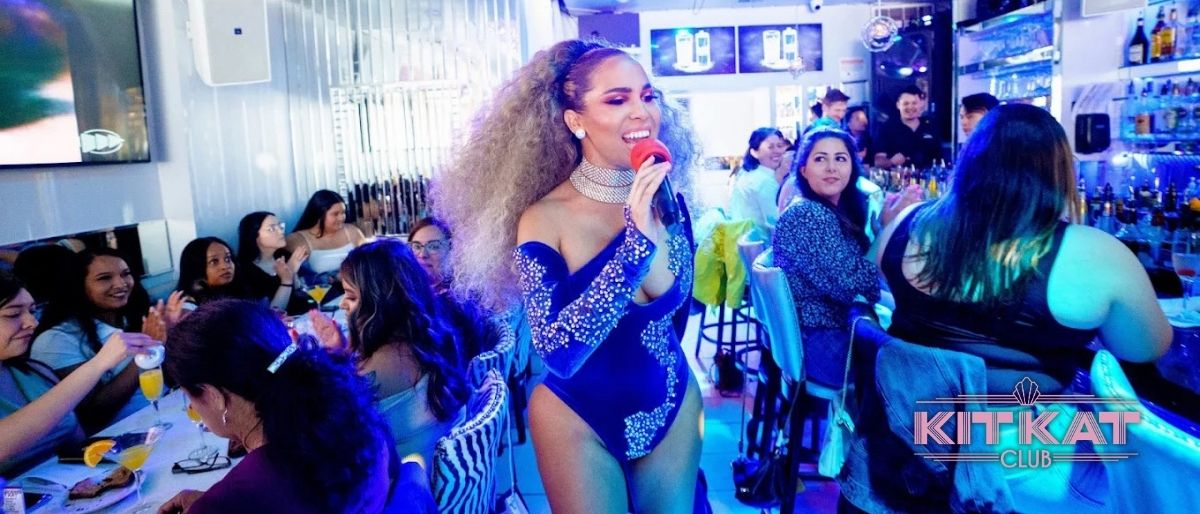
Sidetrack — the massive multi-room video bar with the legendary Musical Monday sing-alongs — and Roscoe's Tavern, with the city's longest-running weekly amateur drag competition, are the two everyone ends up at. Hydrate and Fantasy carry the late-night dance-floor energy past 4 a.m. on weekends, Charlie's flips from two-stepping to Top 40 at midnight, and Kit Kat brings dinner-and-a-drag-show glamour.
Pro Tip
Most Halsted bars have no cover, so the classic move is to graze — one drink at each, following whichever bar has the night's best theme. Musical Mondays at Sidetrack and Drag Race Tuesdays at Roscoe's are iconic even on a "slow" weeknight.
More Boystown Bars: Dives, Sports & Leather
The strip isn't all megaclubs. Tucked between the big rooms are the neighborhood's dives, its sports bar, its leather bar, its arcade, and its karaoke corner — the spots where you actually hear yourself talk. Together they're what makes Boystown a neighborhood and not just a nightlife block.
Dives, Sports, Leather & Locals
Scarlet Bar, Chicago
Chicago, Illinois
Cell Block, Chicago
Chicago, Illinois

Replay Lakeview, Chicago
Chicago, Illinois
The North End, Chicago
Chicago, Illinois
The Closet, Chicago
Chicago, Illinois
Love's, Chicago
Chicago, Illinois
Lucky Horseshoe Lounge, Chicago
Chicago, Illinois
Elixir Lounge, Chicago
Chicago, Illinois
The Closet has poured since 1978 — one of Chicago's oldest surviving LGBTQ+ bars, with roots as a lesbian bar. The North End is the sports bar where the gay crowd watches the Cubs and Bears; Cell Block is the leather-and-fetish institution that turns into ground zero during IML weekend each May; Replay is the free-play arcade bar; and Elixir is the tiny, date-night cocktail room next to Hydrate. Lucky Horseshoe anchors the southern gateway at Belmont with nightly go-go dancers. There's also Steamworks, the neighborhood's long-running bathhouse, on the strip.
Beyond Boystown: The Rest of Gay Chicago
Boystown is the nightlife core, but the best Chicago weekends spill past Lakeview. A short Red Line ride north puts you in Andersonville — the quieter, queer-women-forward gayborhood on Clark Street — and the Uptown/Edgewater pocket just below it has a couple of the city's most beloved bars.
Andersonville, Uptown & Edgewater Gay Bars
The SoFo Tap, Chicago
Chicago, Illinois
Meeting House Tavern, Chicago
Chicago, Illinois
Nobody's Darling, Chicago
Chicago, Illinois
Atmosphere, Chicago
Chicago, Illinois
Marty's Martini Bar, Chicago
Chicago, Illinois
Big Chicks, Chicago
Chicago, Illinois
Hamburger Mary's, Chicago
Chicago, Illinois
The SoFo Tap and Meeting House anchor Andersonville's easygoing scene; Nobody's Darling is the Black- and queer-women-owned cocktail bar that's drawn national acclaim; and Marty's is the tiny martini institution. Just south, Big Chicks in Uptown is the art-filled, dance-y local with a famous free Sunday buffet, and Hamburger Mary's brings drag bingo and camp to Edgewater. For the full picture, see our guide to gay Andersonville and the citywide guide to gay Chicago.
Pro Tip
Boystown and Andersonville are about 15 minutes apart on the Red Line. If you want one night that captures both sides of gay Chicago, start with an early drink and dinner in Andersonville, then ride down to Halsted when the strip picks up around 10.
Eat & Drink in Boystown
You won't go hungry on Halsted or the parallel Broadway a block east — the neighborhood is thick with brunch spots, late-night diners, and casual restaurants built for a pre-bar dinner or a post-bar recovery. Broadway in particular is a restaurant row, running everything from Thai and sushi to burgers and taquerias, and weekend brunch is practically a neighborhood sport.
A few neighborhood favorites: Lark is the see-and-be-seen Halsted restaurant-and-bar; Big Gay Sal's Pizza is exactly what it sounds like — a gay-owned slice shop on the strip; Wood does upscale New American; Bonus Round pairs a full bar with a library of board and arcade games; and Two Hearted Queen handles the coffee-and-daytime side just west in Roscoe Village.
Where to Eat & Drink in Boystown
Lark Restaurant & Bar, Chicago
Chicago, Illinois

Big Gay Sal's Pizza, Chicago
Chicago, Illinois
Wood, Chicago
Chicago, Illinois

Bonus Round Game Cafe, Chicago
Chicago, Illinois
Two Hearted Queen, Chicago
Chicago, Illinois
The move most weekends is a long, boozy brunch before the afternoon parties, then a diner stop at the end of the night — Boystown keeps the kind of late kitchens that a 2 a.m. crowd needs. Coffee shops along Halsted and Broadway handle the daytime, and the patios fill the moment Chicago's weather cooperates.
Pro Tip
Summer is patio season and it's short — Chicagoans treat the first warm weekend like a holiday. If you're visiting between June and September, prioritize the bars with outdoor space (Roscoe's, Replay, and Sidetrack's rooftop) before chasing the dance floors.
Things to Do in Boystown
The gayborhood is more than its bars. The Legacy Walk turns the strip itself into an outdoor LGBTQ+ history museum, and the Center on Halsted (3656 N Halsted) is one of the Midwest's most comprehensive LGBTQ+ community centers — programming, services, and events year-round in the heart of the neighborhood.
The calendar peaks twice a year. Northalsted Market Days each August is one of the largest street festivals in the Midwest, taking over Halsted with multiple stages, vendors, and enormous crowds. And the Chicago Pride Parade in late June runs right through Lakeview, drawing hundreds of thousands. Between the marquee weekends, the strip's shops, the lakefront a few blocks east, and Wrigleyville just to the west (Cubs games at Wrigley Field are a short walk) round out an easy day before the night starts.
The neighborhood also runs on its everyday geography. Halsted and the parallel Broadway are lined with independent shops, and the lakefront is a short walk east — Belmont Harbor and the Lakefront Trail give you a daytime reset, and the beaches fill on summer weekends. The Center on Halsted hosts everything from art shows to sports leagues to a rooftop garden, and Wrigleyville, a few blocks west, puts a Cubs game and a whole second nightlife district within walking distance of the strip.
For a daytime browse, the strip's independent shops are half the fun: Unabridged Bookstore is the beloved Lakeview indie with a deep LGBTQ+ section; the Brown Elephant resale shop routes its proceeds to Howard Brown Health, the city's largest LGBTQ+ health provider; Beatnix is the go-to for vintage and costumes; Men's Room stocks leather and gear; and the Music Box Theatre, a 1929 movie palace, still runs first-run and repertory film a few blocks west.
Shops & Culture in Boystown
Unabridged Bookstore, Chicago
Chicago, Illinois

The Brown Elephant - Northalsted, Chicago
Chicago, Illinois
Beatnix, Chicago
Chicago, Illinois
Men's Room Chicago, Chicago
Chicago, Illinois

Music Box Theatre, Chicago
Chicago, Illinois
Getting There & Around
Boystown is about as transit-friendly as Chicago gets. The CTA Red Line is the backbone — the Belmont stop (shared with the Brown and Purple lines) drops you at the southern end of the strip, and the Addison stop puts you at the northern end near Wrigley. From downtown it's a 15–20 minute ride; from O'Hare, take the Blue Line downtown and transfer, or grab a rideshare.
Once you're on Halsted, everything is walkable end to end — the whole point of the neighborhood. Street parking exists but gets competitive on weekend nights and is essentially gone during Market Days and Pride, so most people take the "L" or a rideshare and skip the car entirely.
Pro Tip
On Pride and Market Days weekends, expect street closures and surge pricing on rideshares. The Belmont Red Line stop is your friend — it runs 24 hours, and it's the fastest way in and out when Halsted is packed.
Where to Stay
Boystown isn't a hotel district, but a handful of boutique and independent hotels sit right on or beside the strip, so you can stay walkable to the bars. City Suites and the Best Western Plus Hawthorne Terrace are the two closest to Halsted; The Willows and The Majestic sit a few blocks east in quieter Lakeview East; and there's more in Wrigleyville and downtown, a short Red Line ride away.
For the full breakdown of Gay Friendly places to stay across the city, see our guide to gay-friendly hotels in Chicago.
What is Boystown known for?
Boystown — officially Northalsted since 2020 — is Chicago's historic gay neighborhood along North Halsted Street in Lakeview. It's known for the densest concentration of gay bars in the city, the rainbow pylons and Legacy Walk that line the strip, the Center on Halsted community center, and huge annual events including Northalsted Market Days in August and the Chicago Pride Parade in June.
Why was Boystown renamed Northalsted?
In 2020, the Northalsted Business Alliance officially retired the "Boystown" branding after community discussions about whether a "boys"-centered name represented the entire LGBTQ+ community. The district's official name is now Northalsted, though many locals and visitors still use "Boystown" informally. Both names refer to the same North Halsted strip in Lakeview.
What are the best gay bars in Boystown?
Sidetrack (a multi-room video bar with famous sing-along nights), Roscoe's Tavern (dance floor and the city's longest-running weekly drag competition), and Hydrate (late-night dance club) anchor the strip. Charlie's brings country-western, Kit Kat does drag dinner theater, Cell Block is the leather bar, The North End is the sports bar, and The Closet — open since 1978 — is one of the oldest LGBTQ+ bars in the city. For the full ranked list, see our Top 16 gay bars in Northalsted.
Boystown or Andersonville — which should I visit?
It depends on the night you want. Boystown (Northalsted) is the nightlife capital — dense, late, and built for going out, with the biggest concentration of dance clubs and drag. Andersonville is calmer, more residential, and more couple- and community-oriented, with a lower-key bar scene, great brunch, and independent shops. They're about 15 minutes apart on the Red Line, so many people do both — dinner and drinks in Andersonville, then out in Boystown.
When is Northalsted Market Days?
Northalsted Market Days takes over Halsted Street each August and is one of the largest street festivals in the Midwest — multiple stages, vendors, and huge crowds across a weekend. The neighborhood's other marquee event is the Chicago Pride Parade in late June, which runs through Lakeview. Both weekends bring street closures, so plan on taking the CTA Red Line rather than driving.
How do I get to Boystown in Chicago?
Take the CTA Red Line to the Belmont stop for the southern end of the strip or the Addison stop for the northern end; the Belmont stop also serves the Brown and Purple lines. It's about 15–20 minutes from downtown. Once you're on North Halsted the bars are walkable end to end, so most visitors skip the car — street parking is scarce on weekends and during festivals.
Gay friendly service providers in Chicago
235 therapists, doctors, realtors and more — researched from public sources.


Are there Gay Friendly hotels near Boystown?
Yes — a handful of boutique hotels sit right on or near the strip, including City Suites and the Best Western Plus Hawthorne Terrace, with The Willows and The Majestic a few blocks east in Lakeview East. There are more options in Wrigleyville and plenty downtown, all a short Red Line ride away. For the full range of Gay Friendly hotels across Chicago, see our gay-friendly hotels in Chicago guide.
Enjoyed this article?
Subscribe to our newsletter for more LGBTQ+ travel guides, local discoveries, and community stories delivered to your inbox.
Subscribe to Newsletter
Robbie S.
I'm Robbie, the founder of Out x Out. I'm from Minneapolis, though I'm spending 2026 building this community from the road — somewhere between South America and Asia. The idea for Out x Out came from a trip to Berlin, where the gay nightlife calendar was years ahead of ours: you could see not just where to go out, but which night to go — so naturally I wanted that kind of insider info for every city in the US (and beyond... eventually). I'm more of a behind-the-scenes type, but the whole point of this is connection: I'd take one real one over a hundred surface-level ones, and I'm trying to build that for the community, city by city.
Related Posts
Gay Andersonville: A Local's Guide to Chicago's Quieter Gayborhood (2026)
Andersonville is Chicago's brunch-and-boutiques gayborhood — residential, queer-women-friendly, and built around independent shops, not bottle service. Here's the local's guide.
The Gayest Neighborhoods in Chicago: A Gay & Gay-Friendly Area Guide (2026)
A neighborhood-by-neighborhood map of gay and gay-friendly Chicago — the vibe, the bars, and what it's actually like to live in each, from Boystown to the South Side.
The 16 Gay Bars on Chicago's Northalsted (Boystown) Strip
Every gay bar worth knowing on Chicago's iconic Northalsted strip, from Sidetrack's sing-alongs to Cell Block's leather nights.