The Castro: San Francisco's Gay District — A Neighborhood Guide (2026)

A local's guide to the Castro — San Francisco's iconic gay neighborhood. The history, the landmarks, the shops and eats, and how to make the most of a day in the gayborhood.

San FranciscoGay Events
Drag brunches, circuit nights & every party worth knowing in San Francisco — in your inbox every week.
Ask anyone where the gay neighborhood is in San Francisco and you'll get one answer: the Castro. This sun-trap of pastel Victorians and rainbow crosswalks is the most famous gayborhood on earth — the place where Harvey Milk ran for office, where the rainbow flag flies the size of a sail, and where queer history is literally written into the sidewalk.
It's also just a wonderful place to spend a day. Beyond the bars (and there are plenty), the Castro is a walkable village of indie shops, a restored movie palace, a world-class history museum, and diners that have been flipping pancakes for gay San Francisco since the Nixon administration. Here's how to do it right.
Pro Tip
The Castro is compact and made for walking. Start at the rainbow crosswalk where Castro meets 18th Street — the unofficial center of the neighborhood — and you can see most of this guide on foot in an afternoon.
A Short History of the Castro
The Castro became a gay neighborhood in the late 1960s and early '70s, as LGBTQ+ San Franciscans moved into the affordable Victorian flats of what had been a working-class Irish district. By 1973, a camera-shop owner named Harvey Milk had hung his shingle at 575 Castro Street and begun the political organizing that would make him the first openly gay man elected to public office in California.
Milk's assassination in 1978, and the lenient verdict for his killer that sparked the White Night riots in 1979, are seared into the neighborhood's memory. So is the AIDS crisis, which devastated the Castro in the 1980s.
Two enduring symbols of the global LGBTQ+ movement trace back to these blocks. The rainbow flag, created in San Francisco in 1978, flies in giant form over Harvey Milk Plaza — a banner the size of a mainsail that has greeted the neighborhood since 1997. And the AIDS Memorial Quilt, now the largest community folk-art project in the world, was conceived in the Castro by activist Cleve Jones to put names and faces to a crisis the country was ignoring.
Today the Castro is both a living neighborhood and a place of pilgrimage — San Francisco has one of the highest LGBTQ+ population shares of any major US city, and this is its historic heart.
What's on in San Francisco
Live from our events calendar — updated daily.


Getting Oriented
The Castro centers on the intersection of Castro and 18th Street, with the commercial strip running up Castro toward Market. The rainbow crosswalks at 18th and Castro mark the heart of it; the giant rainbow flag at Harvey Milk Plaza (Castro and Market, atop the Muni station) marks the gateway.
It's one of the easiest neighborhoods in the city to reach without a car. The Castro Street Muni Metro station sits right at Harvey Milk Plaza, and the historic F-line streetcar trundles down Market Street from downtown and the Embarcadero.
The neighborhood is small — you can cross its commercial core in ten minutes — and it bleeds easily into its neighbors: the Mission to the east (with Dolores Park in between), Duboce Triangle and Hayes Valley to the north. That walkability is the whole point. The Castro is a place to slow down and wander, not rush through.
Pro Tip
Skip the car. Parking in the Castro is scarce and the hills are real — but Muni Metro drops you at Harvey Milk Plaza, and the vintage F-line streetcar from Fisherman's Wharf is half the fun of getting here.
Landmarks & Living History
You could walk the Castro for the bars alone, but its landmarks are what make it singular. Start with the history.
The GLBT Historical Society Museum on 18th Street is the first stand-alone museum of LGBTQ+ history in the United States — a small but mighty space with rotating exhibits, Harvey Milk artifacts, and a gift shop worth the stop. A few steps away, the Rainbow Honor Walk sets bronze plaques into the sidewalks along Castro and Market, honoring LGBTQ+ figures from Alan Turing to Sylvia Rivera — a self-guided history lesson underfoot. Harvey Milk's old camera shop at 575 Castro is now a Human Rights Campaign store, with a small tribute to the man inside.
Up at the Castro Commons triangle, the Pink Triangle Park and Memorial commemorates the LGBTQ+ people persecuted by the Nazis — the first permanent such memorial in the country. And then there's Twin Peaks Tavern — not just a bar, but a landmark. When it put in full-length plate-glass windows in the early 1970s, it became one of the first gay bars in the country where patrons could be seen from the street, a radical act of visibility. It's now a designated San Francisco historic landmark, and still pouring.
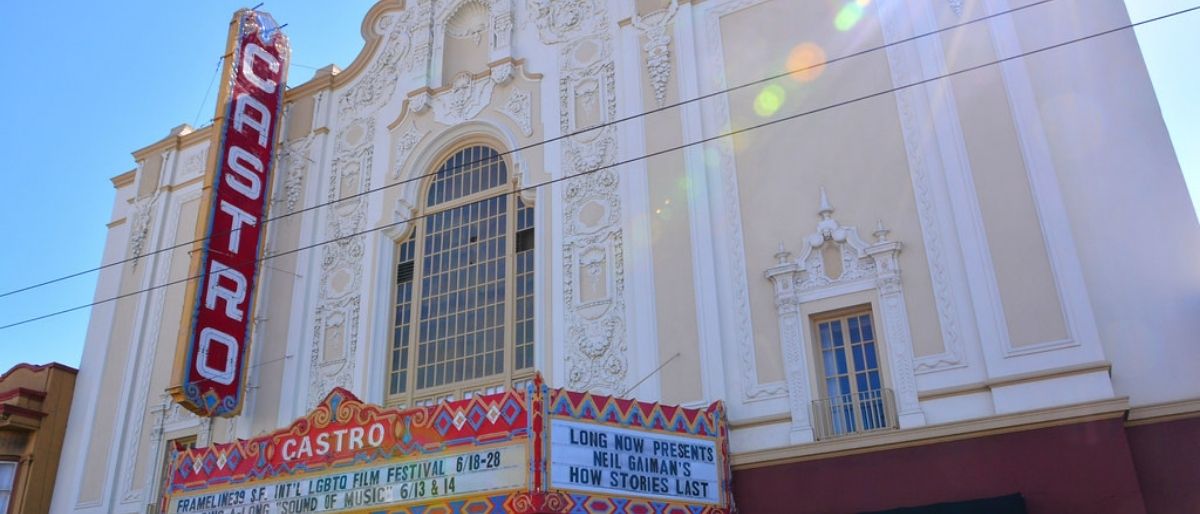
The neighborhood's crown jewel is the Castro Theatre, a 1922 movie palace and city landmark that reopened in February 2026 after a $40 million restoration. It now hosts a mix of concerts, live shows, and the film screenings the Castro is famous for — check what's on before you visit. The theatre has long been associated with Frameline, the world's longest-running LGBTQ+ film festival, and catching anything under its restored ceiling is about the most Castro thing you can do.
Castro Landmarks & Living History
GLBT Historical Society Museum, San Francisco
San Francisco, California
Twin Peaks Tavern, San Francisco
San Francisco, California

The Castro Theatre, San Francisco
San Francisco, California
Pink Triangle Memorial, San Francisco
San Francisco, California
Things to Do
History done, the Castro rewards aimless wandering. The neighborhood's shops are half the personality.
Cliff's Variety has been the Castro's beloved hardware-and-everything store since 1936 — equal parts hardware store, toy shop, and neighborhood institution. Its window displays are a local event in themselves. Fabulosa Books is the neighborhood's independent bookstore, stocked deep with LGBTQ+ titles and the kind of staff picks you actually want to read. And no visit is complete without Hot Cookie, the cheeky Castro bakery whose warm cookies — and famously suggestive merch — have made it a neighborhood rite of passage.
When the sun's out, follow the crowds a few blocks east to Dolores Park, the city's favorite spot to sprawl on the grass with a cocktail and a view of the skyline. The sunny Dolores Beach corner has been a queer gathering spot for decades. For a different angle on the neighborhood, climb Corona Heights or Kite Hill — short, steep walks from the Castro's center that reward you with some of the best skyline views in the city.
Shops & Spots in the Castro
Cliff's Variety, San Francisco
San Francisco, California
Fabulosa Books, San Francisco
San Francisco, California
Hot Cookie, San Francisco
San Francisco, California
Dolores Park, San Francisco
San Francisco, California
Explore San Francisco's LGBTQ+ Scene
Find events, venues, and what's happening in the Castro tonight on Out x Out.
Where to Eat
The Castro runs on casual, comforting, come-as-you-are food. The standout is Orphan Andy's, the 24-hour diner at 17th and Market that has fed the neighborhood — post-bar, post-brunch, post-everything — for decades. Booth seating, big omelets, no judgment at 3 a.m. For a sit-down meal, Starbelly does seasonal California comfort food with a great patio, and Blush! Wine Bar is the neighborhood's easy choice for a glass and a snack. Between landmarks, the Castro's cafés and casual spots make light work of a long afternoon — grab a coffee, claim a sidewalk table, and watch the neighborhood go by.
Where to Eat in the Castro
Orphan Andy's Restaurant, San Francisco
San Francisco, California
Starbelly, San Francisco
San Francisco, California

Blush! Wine Bar, San Francisco
San Francisco, California
Gay Bars in the Castro
The Castro's bars are legendary — sing-along piano at one corner, a packed dance floor at the next, a sunny patio in between. Hi Tops is the neighborhood's gay sports bar and one of its busiest rooms; Twin Peaks Tavern anchors the history end; Badlands and The Edge run the dance-and-neighborhood mix on 18th Street; and Beaux, The Cafe, Moby Dick, 440 Castro, Lookout, Midnight Sun, and Toad Hall round out a strip dense enough that you can crawl a dozen bars without leaving a few blocks.
Gay Bars in the Castro
Hi Tops SF, San Francisco
San Francisco, California
Twin Peaks Tavern, San Francisco
San Francisco, California
Badlands SF, San Francisco
San Francisco, California
The Edge, San Francisco
San Francisco, California
Beaux, San Francisco
San Francisco, California
The Cafe, San Francisco
San Francisco, California
Moby Dick, San Francisco
San Francisco, California
440 Castro, San Francisco
San Francisco, California
Lookout, San Francisco
San Francisco, California
Midnight Sun, San Francisco
San Francisco, California
The Mix, San Francisco
San Francisco, California
Toad Hall, San Francisco
San Francisco, California
For bar-crawl routes and what's on which night, see our complete guide to the best gay bars in San Francisco.
Beyond the Castro: More San Francisco Gay Bars
The Castro is the historic heart, but San Francisco's queer nightlife spreads well past it — and a short ride opens up a different scene entirely. SoMa (South of Market) is the leather and after-hours hub: the **SF Eagle**, the fetish-forward **Powerhouse**, the reborn **Stud**, and the drag-and-dance venue **Oasis** all live there. Over in the Mission, **El Rio** and the sapphic-favorite **Jolene's** draw a queer, artsy crowd, while **The Cinch** in Polk Gulch and the legendary drag institution **Aunt Charlie's Lounge** in the Tenderloin keep the old-school flame going.
More San Francisco Gay Bars
SF Eagle Bar, San Francisco
San Francisco, California
Powerhouse, San Francisco
San Francisco, California
The Stud, San Francisco
San Francisco, California
OASIS, San Francisco
San Francisco, California

El Rio, San Francisco
San Francisco, California
Jolene’s Bar and Restaurant, San Francisco
San Francisco, California
The Cinch Saloon, San Francisco
San Francisco, California
Aunt Charlie's Lounge, San Francisco
San Francisco, California
Events in the Castro
The Castro's calendar peaks twice a year. Pride in June turns the whole neighborhood into one long celebration — see our full San Francisco Pride guide for the parade, parties, and logistics.
The other landmark date is the Castro Street Fair, held on the first Sunday of October. Founded by Harvey Milk in 1974 to celebrate and support the neighborhood, it's a beloved, community-run street party of music, art, and local vendors that's far more local-feeling than Pride.
Pro Tip
Visiting outside Pride and the Castro Street Fair? You haven't missed the party. The Castro's bars, shops, and patios are lively year-round — and a foggy off-season weekday is the best time to actually appreciate the neighborhood's landmarks without the crowds.
Where to Stay
Basing yourself in the Castro means you can walk to everything and stumble home after last call. The iconic choice is Beck's Motor Lodge, the retro mid-century motel on Market Street that's been a gay favorite for generations — request a balcony room overlooking the action. For a small-hotel option right in the neighborhood, The Hotel Castro puts you steps from the bars and landmarks.
For more options across every neighborhood and budget — including the Castro guesthouses and downtown hotels — see our full guide to LGBTQ+ hotels in San Francisco.
A Perfect Day in the Castro
Want a ready-made plan? Here's how to spend a day in San Francisco's gay district.
- Morning. Start with breakfast at Orphan Andy's, then walk to Harvey Milk Plaza for the giant rainbow flag. Head up Castro Street, reading the bronze plaques of the Rainbow Honor Walk as you go.
- Midday. Take in the history at the GLBT Historical Society Museum, then browse the shops — Cliff's Variety, Fabulosa Books, and a warm bag from Hot Cookie. Snap the obligatory photo on the 18th-and-Castro rainbow crosswalk.
- Afternoon. If the sun's out, grab provisions and head to Dolores Park to sprawl on the grass with the skyline in view. Feeling energetic? Climb Corona Heights for the panorama.
- Evening. Catch a screening or show at the restored Castro Theatre, then ease into the night on a bar patio — Twin Peaks Tavern for the history, Hi Tops for the crowd, and the rest of the Castro's bars from there.
What is the gay neighborhood in San Francisco?
The Castro is San Francisco's historic gay district and the most famous gay neighborhood in the world. Centered on the intersection of Castro and 18th Street, it's home to the city's densest concentration of LGBTQ+ bars, shops, landmarks, and history. SoMa (the leather and nightlife hub) and the Mission (queer arts and POC community) are the city's other key LGBTQ+ areas.
What is the Castro known for?
The Castro is known as the birthplace of modern LGBTQ+ political power — it's where Harvey Milk was elected — and for its visible, celebratory gay culture: rainbow crosswalks, the giant flag at Harvey Milk Plaza, the restored Castro Theatre, the GLBT Historical Society Museum, and a nightlife scene that's been going strong for half a century.
Is the Castro still a gay neighborhood?
Yes. While San Francisco's queer community has spread across the city and costs have risen, the Castro remains the symbolic and cultural heart of LGBTQ+ San Francisco, with gay-owned businesses, bars, landmarks, and year-round events. It's still where the city gathers to celebrate — and to mourn and march when it matters.
How do I get to the Castro?
Take Muni Metro to Castro Station, which lets out right at Harvey Milk Plaza, or ride the historic F-line streetcar down Market Street from downtown and the Embarcadero. Rideshares are easy, but driving and parking are not — the Castro is best explored on foot once you arrive.
Can you do a gay bar crawl in the Castro?
Absolutely — it's one of the most walkable bar crawls anywhere. Hi Tops, Twin Peaks, Badlands, The Edge, Beaux, The Cafe, Moby Dick, 440 Castro, Lookout, Midnight Sun, and Toad Hall are all within a few blocks of the Castro-and-18th crossroads, so you can hit a dozen bars without a rideshare. For a bigger night, head to SoMa (SF Eagle, Powerhouse, Oasis) or the Mission (El Rio, Jolene's).
What's the best time to visit the Castro?
Pride in June and the Castro Street Fair on the first Sunday of October are the two biggest celebrations. But the Castro is lively all year, and a clear-skied weekend afternoon is perfect for walking the landmarks, browsing the shops, and settling onto a sunny bar patio.
SoMa, a short Muni ride east, is also home to the city's two biggest leather street fairs — the Folsom Street Fair each September and its smaller July sibling, Dore Alley.
Enjoyed this article?
Subscribe to our newsletter for more LGBTQ+ travel guides, local discoveries, and community stories delivered to your inbox.
Subscribe to Newsletter
Robbie S.
I'm Robbie, the founder of Out x Out. I'm from Minneapolis, though I'm spending 2026 building this community from the road — somewhere between South America and Asia. The idea for Out x Out came from a trip to Berlin, where the gay nightlife calendar was years ahead of ours: you could see not just where to go out, but which night to go — so naturally I wanted that kind of insider info for every city in the US (and beyond... eventually). I'm more of a behind-the-scenes type, but the whole point of this is connection: I'd take one real one over a hundred surface-level ones, and I'm trying to build that for the community, city by city.
Related Posts
Castro Street Fair 2026: The Complete Guide to San Francisco's Original Street Party
Everything you need for Castro Street Fair 2026 on Sunday, October 4 — the free neighborhood party Harvey Milk started in 1974, plus where to drink, stay and start your day.
Best Gay Events in July: Summer Pride, Bear Week & Beach Weekends
July is Pride's second wave: beach weekends, Bear Week, leather street fairs, and late-summer Prides from San Diego to Portland. Here are the best gay events to plan your July travel around.
Best Gay Events in September: Southern Decadence, Folsom & Circuit Season
September belongs to the circuit: Southern Decadence and Atlanta Black Pride over Labor Day, then leather season crests with Folsom Street Fair. The best gay events in September.